 Retro Replay Retro Replay gaming reviews, news, emulation, geek stuff and more!
Retro Replay Review
Gameplay
Flanker 2.0 delivers an exceptionally deep simulation of the Russian Su-27 and Su-33 Flankers, putting you behind the stick of one of the most capable fighters ever built. From the moment you taxi to the runway you’re immersed in a cockpit dense with accurate avionics and weapons controls, all meticulously modeled to reflect their real-world counterparts. Mastery requires patience: every button, switch and dial must be learned, and the instrumentation’s Russian labels add authenticity at the cost of an initial language barrier.
(HEY YOU!! We hope you enjoy! We try not to run ads. So basically, this is a very expensive hobby running this site. Please consider joining us for updates, forums, and more. Network w/ us to make some cash or friends while retro gaming, and you can win some free retro games for posting. Okay, carry on 👍)
The game’s heart lies in beyond-visual-range (BVR) air-to-air combat, challenging you to interpret radar returns, manage threat locks and deploy long-range missiles against incoming Soviet or NATO adversaries. Close-in dogfights demand swift reflexes and a keen understanding of your jet’s energy state, while the updated flight and weapons models in version 2.51 ensure that every missile launch and high-G turn feels grounded in physics. Mistimed maneuvers or misreads on your radar can leave you vulnerable—survival hinges on your ability to juggle multiple systems under pressure.
Flanker 2.0 also expands its tactical options beyond solo sorties. Version 2.51 introduces wingman commands, letting you orchestrate formation flights, assign targets or call for defensive maneuvers. Additionally, the inclusion of the MiG-29 offers fresh tactics and performance comparisons, encouraging players to master two unique airframes. Whether you’re coordinating a four-ship sweep or flying a lone intercept mission, the gameplay rewards meticulous planning and seamless execution.
Graphics
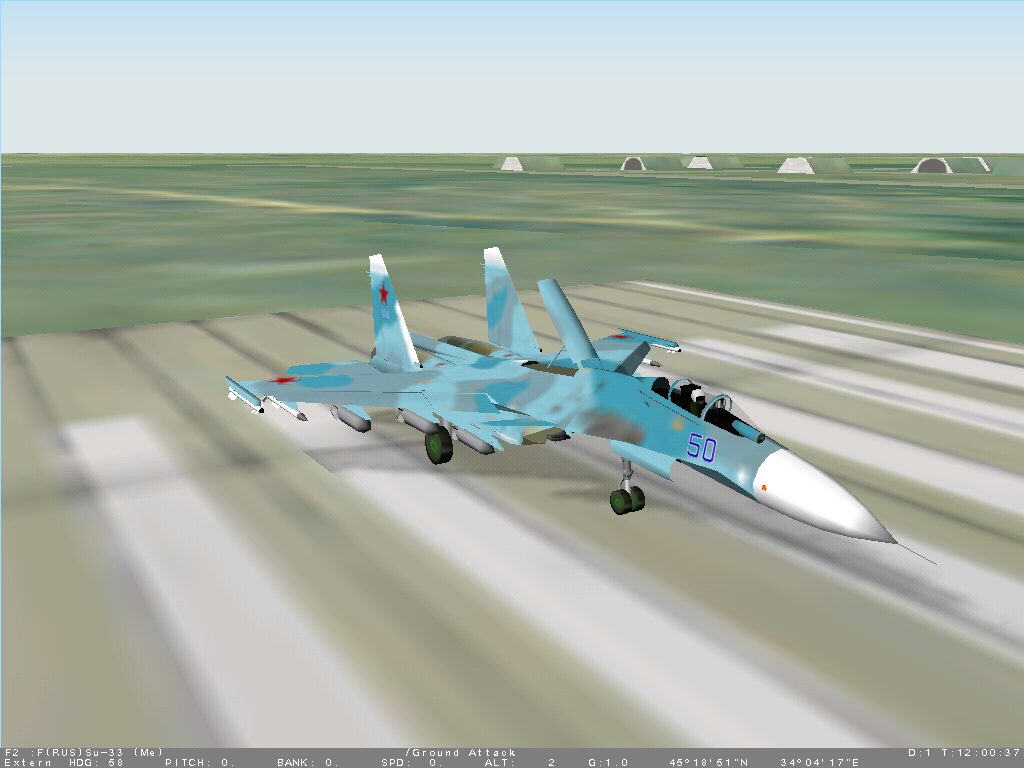
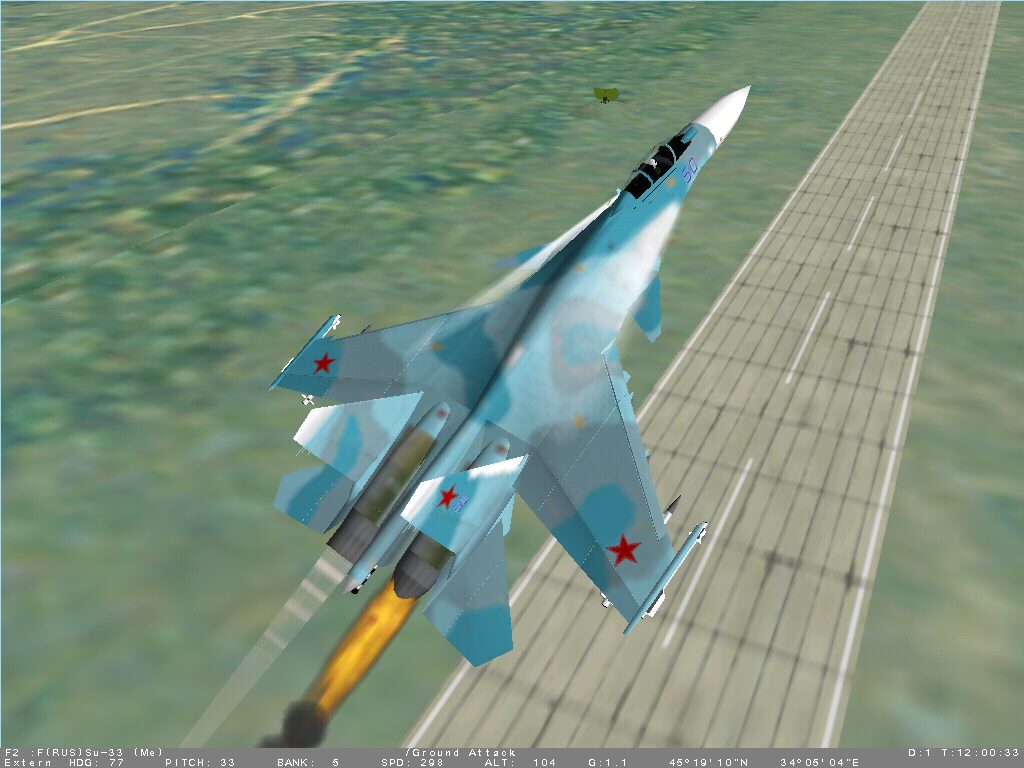
One of Flanker 2.0’s standout features is its leap to 3D accelerated, texture-mapped graphics. Compared to its predecessor’s flat-shaded visuals, the new engine renders aircraft models with realistic skin textures, detailed cockpit panels and more convincing ground environments. Under different lighting conditions, the Su-27’s wing roots catch sunlight in a subtle, metallic sheen, while runway markings and carrier decks on the Su-33 feel tangibly worn.
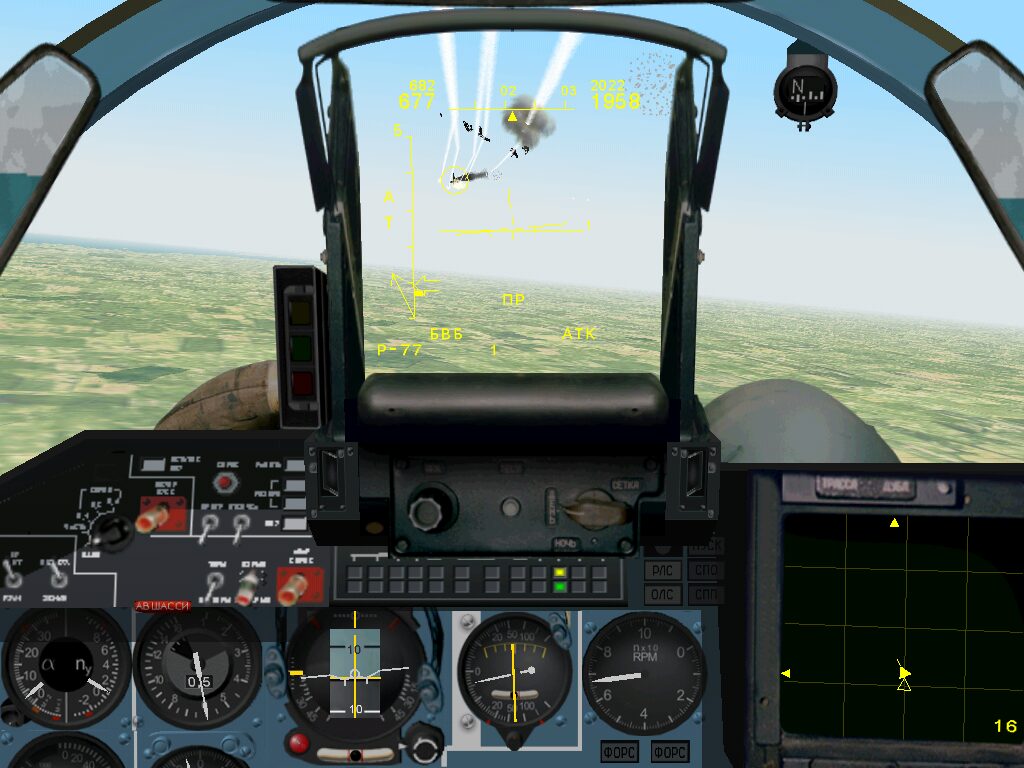
The cockpit view deserves special praise: gauges, switches and warning lights are rendered in high resolution, making it easier to identify critical instruments at a glance. Textures on side consoles, throttle assemblies and ejection handles exhibit fine grain and wear, enhancing immersion. Although the text remains in Russian, the clarity of each label helps seasoned sim pilots cross-reference checklists and manuals with minimal confusion.
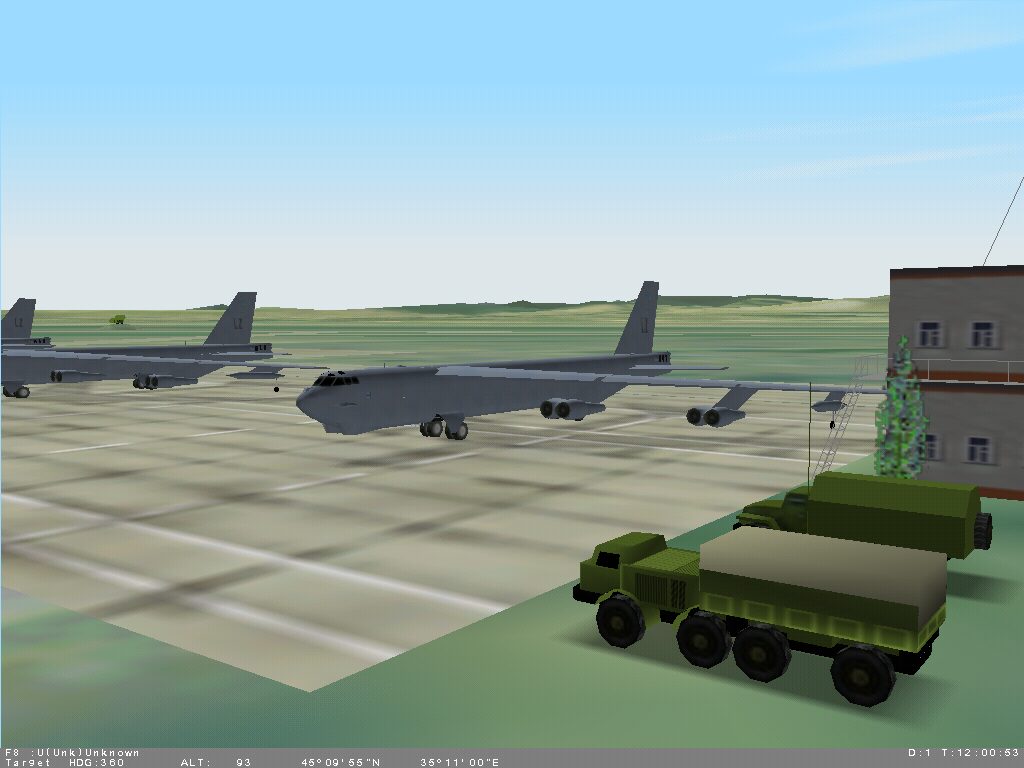
External environments—ranging from open-ocean horizons to rolling desert dunes—benefit from improved draw distances and smoother terrain transitions. Version 2.51’s stability patches reduce clipping issues and stuttering during high-speed flybys, while adding subtle weather effects like variable cloud cover and haze. These enhancements contribute to a more convincing battlefield atmosphere without sacrificing the performance needed for split-second combat decisions.
Story
While Flanker 2.0 isn’t a narrative-driven adventure, its campaign and mission structure provide enough context to keep players invested. Briefings—displayed as text overlays before each sortie—outline geopolitical flashpoints and evolving conflict scenarios. You might find yourself scrambling to intercept unidentified bogeys near a naval task force one day, and the next tasked with neutralizing a hostile airbase in support of ground troops.
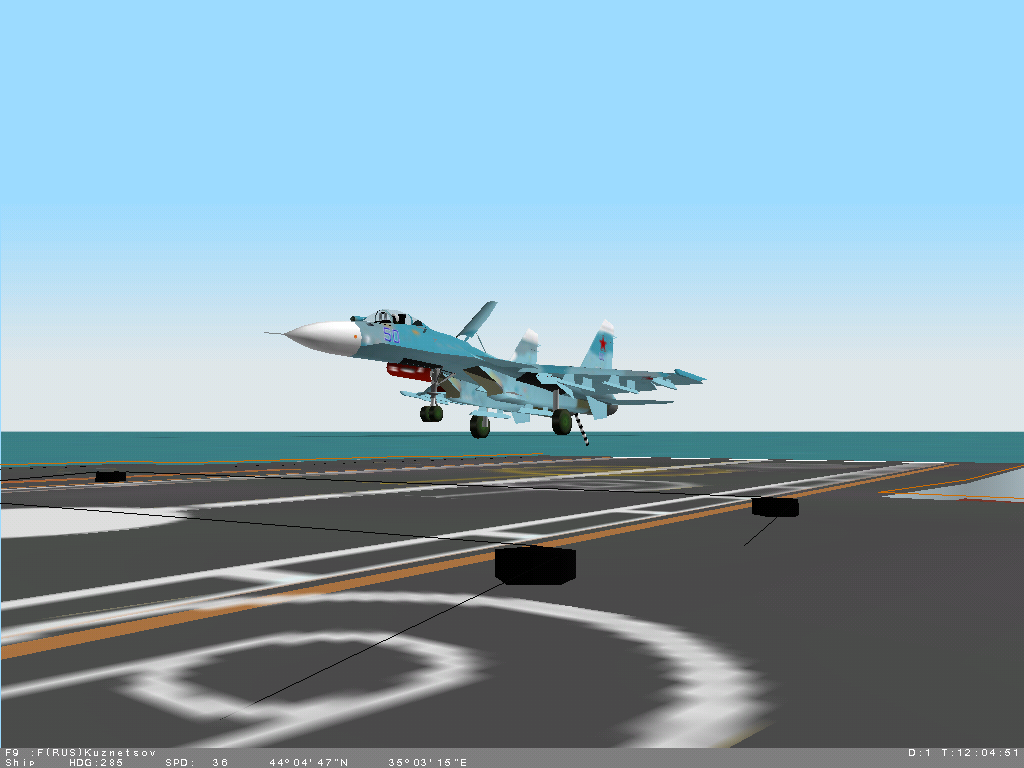
The inclusion of the Su-33’s carrier operations introduces unique story beats. Suddenly, deck crew chatter and catapult launch procedures become part of your daily routine, and the risk of a botched deck landing carries genuine tension. Land-based Su-27 missions, meanwhile, focus on air superiority and defensive patrols, weaving a loose narrative of shifting airspace control. These mission arcs underscore the differences between the two variants without feeling repetitive.
Although there are no cutscenes or voiced dialogue, the dry, military-style briefings and mission debriefs cultivate an authentic Cold War–era ambiance. Players who appreciate procedure-heavy simulators will find the sparse storytelling to be a welcome complement, spotlighting the operational stakes of each flight rather than distracting with melodrama.
Overall Experience
Flanker 2.0 is undeniably a sim for dedicated enthusiasts. Its steep learning curve and Russian-only cockpit labeling may deter casual fliers, but those willing to invest time will find a tremendously rewarding experience. The blend of realistic avionics, authentic radio calls and rigorous mission design fosters a level of satisfaction that few arcade-style flight games can match.
Replayability is high thanks to the mix of aircraft, mission types and incremental improvements introduced through patches up to version 2.51. Seasonal weather patterns, wingman command options and the ability to fly both Su-27 and Su-33, plus the unlockable MiG-29, mean you can revisit familiar theaters with new tactics and challenges. Community mods further extend the game’s lifespan, offering updated cockpits, enhanced terrain packs and additional mission packs.
For those yearning for a simulator that demands tactical thinking and precision, Flanker 2.0 stands as a benchmark. Its detailed systems modeling and dynamic aerial engagements deliver a breathtaking taste of real-world air combat. If you’re prepared to weather the initial complexity and embrace the Russian-labeled cockpit, this title offers one of the most authentic Flanker experiences available on the PC platform.


Reviews
There are no reviews yet.