 Retro Replay Retro Replay gaming reviews, news, emulation, geek stuff and more!
Retro Replay Review
Gameplay
Flying Saucer delivers a unique blend of high-octane aerial combat and on-foot mission objectives, all wrapped into a cohesive narrative. As Boon, the player alternates between piloting the eponymous saucer and disembarking to undertake critical ground-based assignments. The flying segments emphasize precision maneuvers, dogfights against military jets, and strategic use of the saucer’s advanced weaponry, while the terrestrial missions demand stealth, puzzle-solving, and occasional direct confrontation with both human soldiers and alien invaders.
(HEY YOU!! We hope you enjoy! We try not to run ads. So basically, this is a very expensive hobby running this site. Please consider joining us for updates, forums, and more. Network w/ us to make some cash or friends while retro gaming, and you can win some free retro games for posting. Okay, carry on 👍)
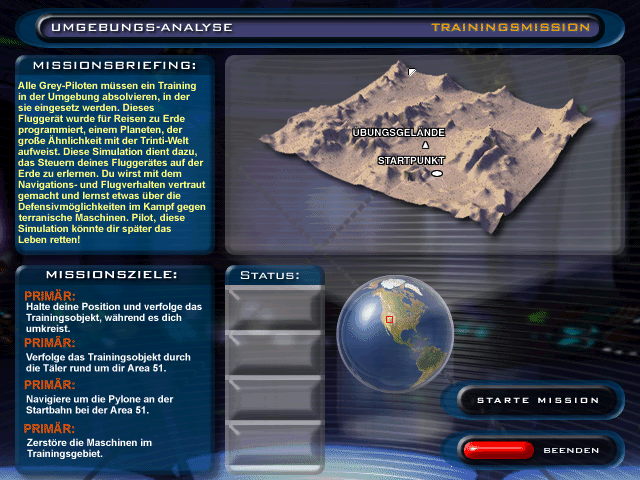
One of the game’s most compelling features is its mission variety. Across 22 levels—ranging from the dusty outskirts of Nevada to the surreal landscapes of Dreamland—players will face diverse objectives: escorting friendly “greys,” sabotaging Cyner outposts, and rescuing captured humans. Piloting challenges often involve navigating tight canyon corridors under fire, while ground missions task you with hacking terminals, deciphering telepathic clues from your missing brother, Steven, and orchestrating timed extractions under pressure.
The control scheme feels intuitive once you acclimate to the saucer’s three-dimensional movement model. You’ll manage altitude, speed, and weapon loadouts through an accessible radial menu, allowing for fluid transitions between offensive strikes and evasive maneuvers. On the ground, Boon’s abilities include brief telepathic vision—hinted through subtle UI cues—alongside traditional FPS-style shooting. The balance between aerial and foot-based gameplay maintains a brisk pace, preventing either mode from overstaying its welcome.
While the difficulty curve ramps up noticeably in the latter half of the game, it never feels unfair. Enemy AI adapts to player tactics, flanking on foot and coordinating air assaults when you linger too long in one area. Frequent checkpoints and optional upgrade caches ensure progress remains satisfying rather than frustrating. Overall, the gameplay loop of Flying Saucer is engaging, versatile, and consistently challenging.
Graphics
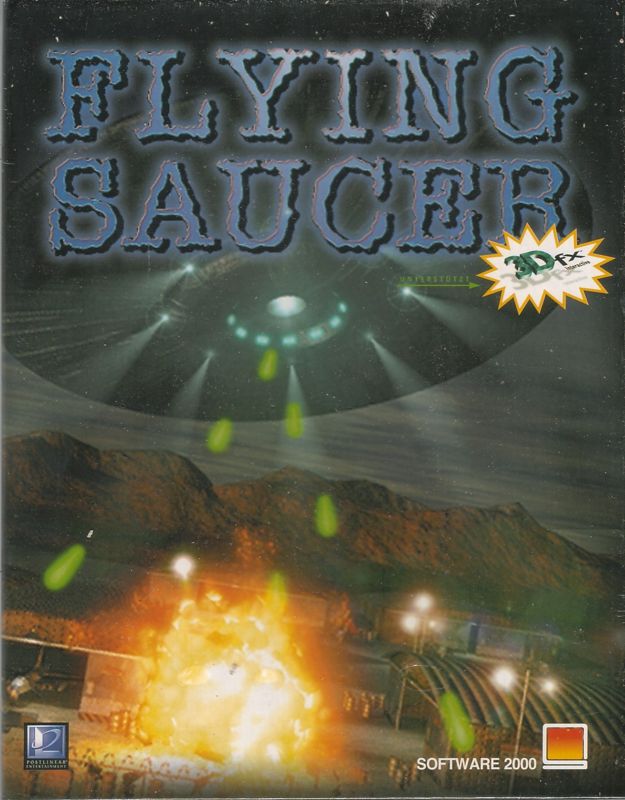
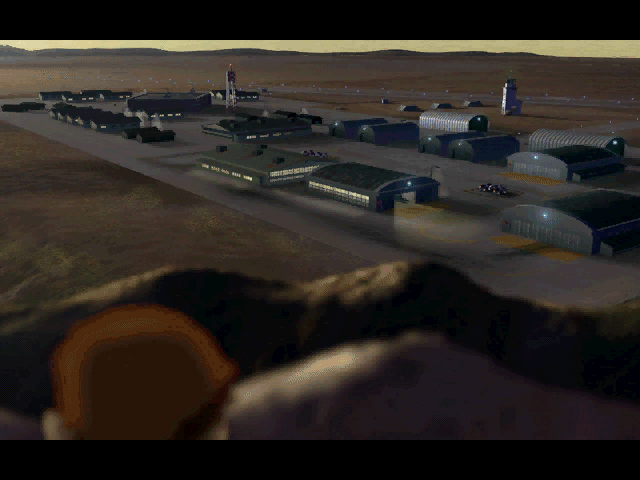
Visually, Flying Saucer harmonizes the gritty realism of Area 51 with the otherworldly designs of Dreamland. The military base environments are rendered in muted earth tones, punctuated by harsh spotlights and storm-lashed skies—evoking a palpable sense of tension from the moment you touch down. Conversely, the alien realm dazzles with bioluminescent flora, shifting color palettes, and swirling nebulae visible in the horizon, creating a stark but coherent contrast between the two worlds.
Character models for Boon, Emily (in brief flashbacks), and even the enigmatic greys feature clean, anatomically convincing proportions, though minor clipping issues pop up when NPCs shuffle on uneven terrain. The Cyners, those menacing tentacle creatures, boast fluid animations that make each skittering attack feel organic and terrifying. Enemy projectiles cast dynamic lighting effects, and the saucer’s particle-based energy blasts leave lingering trails that enhance the overall spectacle.
Technical performance on modern hardware remains steadfast, with stable frame rates even in the most chaotic air battles. Texture streaming occasionally introduces brief pop-in in expansive outdoor areas, but these moments are fleeting and rarely break immersion. The HUD design is minimalist, keeping vital information—speed, shield levels, mission objectives—in the periphery without cluttering the screen, which allows the game’s striking vistas to take center stage.
Special attention should be given to the weather and lighting systems. Storms that friend Steven’s disappearance are recreated with volumetric clouds, realistic thunderbolt reflections on the saucer’s metallic skin, and rain droplets that streak across the cockpit’s canopy. This level of environmental fidelity heightens the narrative stakes and adds a cinematic quality to each mission’s opening sequence.
Story
At its heart, Flying Saucer weaves a personal tale of loss, loyalty, and cosmic intrigue. You assume the role of Boon, a decorated military pilot whose life in a quiet American town with partner Emily is shattered when his brother Steven vanishes amid a violent thunderstorm during a classified operation. The narrative hook arrives when Boon receives a cryptic telepathic message from Steven, beckoning him to investigate Dreamland—Area 51’s hidden underbelly.
From there, the storyline deftly pivots between conspiratorial military forces intent on covering up alien contact and the genuine plight of the greys, who plead for Boon’s help against the savage Cyners. Dialogue is delivered through a mix of radio chatter, in-engine briefings, and telepathic projections that add an eerie intimacy to each revelation. Emily’s letters, discovered in optional side missions, flesh out Boon’s emotional stakes and underscore what’s at risk back home.
The pacing of the plot strikes a careful balance: tension builds steadily as you peel back layers of government secrecy, culminating in revelations about Project Dreamgate and the Cyners’ goal to breach Earth’s defenses. Each mission contributes a narrative fragment, whether it’s decrypting a derelict research outpost’s logs or rescuing a stranded grey ambassador. The game cleverly reinforces its themes of family and trust by having Boon wrestle with moral dilemmas—should he bomb a Cyner nest that might still contain surviving greys?
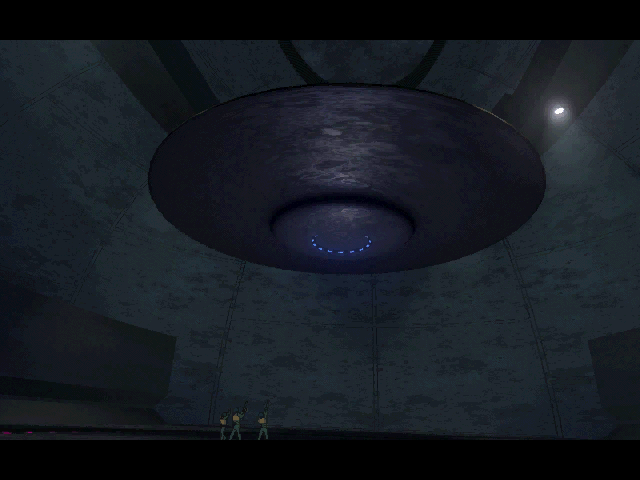
While some story threads end on intentionally ambiguous notes—inviting speculation about a sequel—the main arc wraps up with satisfying closure. The final confrontation, set aboard the central flying saucer within Dreamland’s massive hall, ties together gameplay and narrative motifs, delivering both adrenaline-pumping action and emotional catharsis.
Overall Experience
Flying Saucer stands out as an ambitious fusion of aerial simulation, third-person action, and science-fiction drama. Its strongest asset is the seamless integration of gameplay modalities: neither the flying nor the ground segments feel tacked on, and both serve the evolving storyline effectively. The result is a holistic experience that keeps players invested from the quiet moment with Emily to the climactic skirmish against the Cyners.
The game strikes a commendable balance between challenge and accessibility. Newcomers to flight sims will appreciate the forgiving flight assists and clear tutorial missions, while veterans can disable helper overlays and ramp up enemy AI for a more hardcore affair. Additionally, collectibles such as classified files and hidden transmission beacons encourage thorough exploration, rewarding curious players with deeper world-building tidbits.
Sound design deserves special mention: the roar of the saucer’s anti-gravity engines, the staccato rat-a-tat of alien tentacles hitting metallic surfaces, and the whine of laser cannons all coalesce into an immersive audio tapestry. A synth-driven score underscores key story beats, while ambient tracks in Dreamland evoke a haunting otherness that lingers long after the credits roll.
For those seeking a narrative-driven action game with robust aerial mechanics and memorable set pieces, Flying Saucer is a compelling choice. Its combination of personal stakes, sprawling environments, and inventive enemy design provides a gaming journey that feels fresh, engaging, and ultimately rewarding.


Reviews
There are no reviews yet.