 Retro Replay Retro Replay gaming reviews, news, emulation, geek stuff and more!
Retro Replay Review
Gameplay
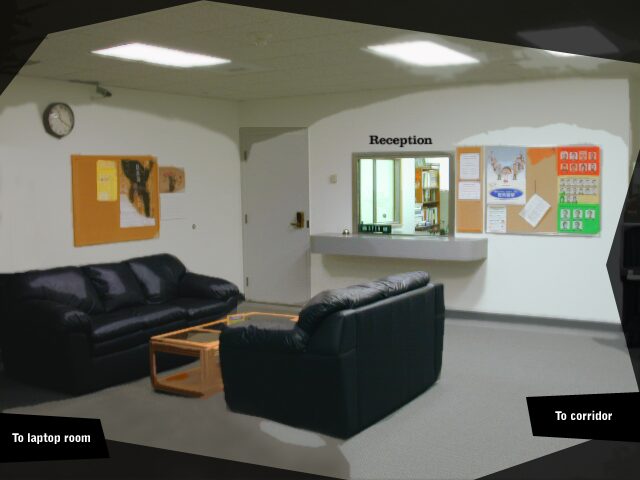
Force Majeure II: The Zone unfolds through a classic point-and-click interface, inviting players to interact with every rusted door, shattered window, and cryptic object scattered throughout the ruined cityscape. From a first-person perspective, you guide an unknown protagonist using contextual hotspots to examine the environment, collect items, and solve puzzles that range from inventory-based riddles to logic challenges. The pacing is deliberately measured, encouraging careful observation and methodical note‐taking before advancing, which suits players who appreciate cerebral engagement over reflex‐based action.
(HEY YOU!! We hope you enjoy! We try not to run ads. So basically, this is a very expensive hobby running this site. Please consider joining us for updates, forums, and more. Network w/ us to make some cash or friends while retro gaming, and you can win some free retro games for posting. Okay, carry on 👍)
The game’s strength lies in its seamless integration of environmental storytelling and puzzle design. Clues are often hidden in the faded graffiti on broken walls, the distorted reflections in puddles, or the journal scraps left behind by former inhabitants. While some puzzles can feel obtuse—demanding lateral thinking rather than straightforward problem-solving—the satisfaction of piecing together philosophical fragments or repairing a battered radio to catch ghostly transmissions is deeply rewarding. A hint system is judiciously implemented, allowing newcomers to dip their toes into the eerie atmosphere without spoiling every revelation.
Exploration in Force Majeure II is non-linear, granting players the freedom to revisit locations in the barren wasteland that replaces the city. This structure fosters a sense of genuine discovery: areas you once deemed inaccessible later yield new pathways or puzzle elements once certain conditions are met. By intertwining narrative progression with environmental interaction, the game keeps you invested in uncovering not only how to leave The Zone but why you’re examining its surreal corners in the first place.
Graphics
Launching from a CD-ROM in 2005, Force Majeure II delivers hand-painted backgrounds and pre-rendered scenes that have held up remarkably well over time. The art direction leans heavily into desolation: collapsed facades, jagged metal beams, and overgrown ruins bathed in a muted, ashen palette. Textural details—peeling posters, rusted signage, and drifting dust motes—contribute to an immersive sense of decay that feels both tactile and evocative.
Though character models are largely absent, the first-person vantage point intensifies the graphical focus on environment. Subtle animations—flickering lights, drifting mist, or the occasional scuttling rodent—break the stillness just enough to heighten tension. Surreal sequences, where reality warps and geometries bend in dreamlike ways, showcase the developer’s ambition to transcend mere apocalypse tropes and venture into philosophical abstraction. These moments remind the player that The Zone is as much a mental landscape as a physical one.
Performance remains stable on modern hardware, and the downloadable US release by Interacting Arts includes an optional patch for widescreen support. While the resolution cannot match today’s high-definition standards, the strong art direction compensates, ensuring each scene tells a story at a glance. Fans of atmospheric adventures will find the visual design an enduring highlight of the experience.
Story
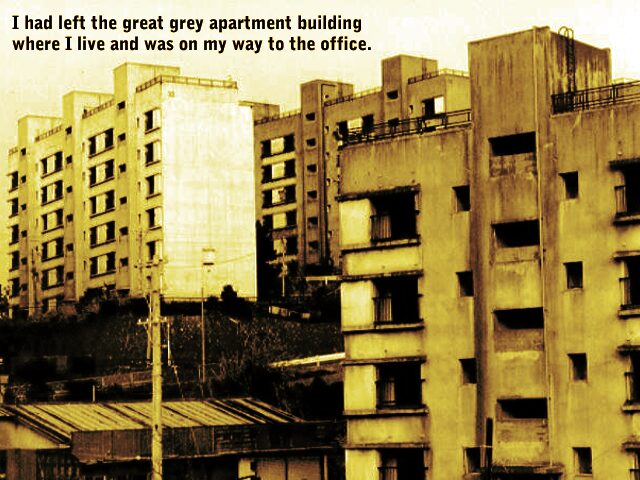
The narrative of Force Majeure II begins in the mundane—an ordinary commute home interrupted by the wail of sirens. Without warning, the protagonist seeks refuge in an old air-raid shelter, only to emerge into a transformed world: the familiar city has vanished, replaced by a desolate expanse of broken structures and philosophical quandaries. This abrupt shift sets the stage for an allegorical journey through loss, uncertainty, and the search for meaning amid ruin.
Rather than delivering a linear plot, the game offers fragmented vignettes and cryptic diary entries that encourage players to assemble their own interpretation of events. Who is the protagonist, and what role did they play in the city’s downfall? Why does The Zone reflect inner turmoil as much as physical devastation? These questions linger throughout, with each puzzle solution uncovering a new layer of existential subtext. As you navigate bombed-out streets and half-buried libraries, you become both detective and philosopher, piecing together a story that resists tidy conclusions.
The Swedish origins of the title, along with its inclusion in a book series on storytelling, hint at the developers’ literary aspirations. Despite the English-only text, the dialogue and environmental cues capture a distinct Scandinavian melancholy, elevating the game beyond a typical adventure. Force Majeure II never rushes to explain itself, welcoming players who are willing to invest time and thought into its enigmatic narrative fabric.
Overall Experience
Force Majeure II: The Zone stands as a testament to mid-2000s adventure design that prioritizes atmosphere and introspection over action-oriented thrills. Its immersive world-building, thoughtful puzzles, and haunting visuals combine to deliver an experience that lingers long after you’ve closed the CD tray or exited the digital installer. The game’s willingness to leave key mysteries unsolved makes it a rare gem for those who relish interpretative storytelling.
While some players may find the pacing deliberate and the puzzles occasionally opaque, the reward comes in the form of genuine moments of awe—spotting a lone violin case in a collapsed museum or decoding a symbolic mural that reframes everything you’ve learned. The expansion/patch released in early 2006 adds further polish and extended sequences, ensuring that The Zone remains a captivating destination even on subsequent playthroughs.
In an era saturated with high‐octane blockbusters, Force Majeure II offers a compelling alternative: a meditative journey into the heart of ruin and hope. Whether you’re a veteran of point-and-click adventures or simply seeking a narrative-driven detour, this title offers an experience both challenging and thought-provoking, reminding you that sometimes the most profound stories arise from the silence between the sirens.



Reviews
There are no reviews yet.