 Retro Replay Retro Replay gaming reviews, news, emulation, geek stuff and more!
Retro Replay Review
Gameplay
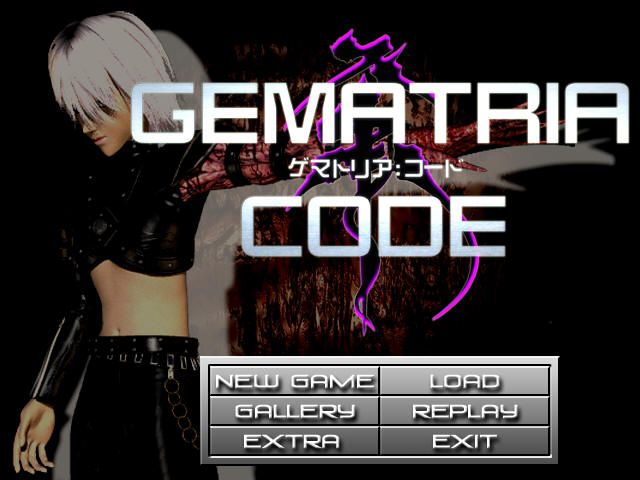
Gematria: Code offers a unique approach to adventure gaming by focusing entirely on exploration. Unlike many titles in the genre, there are no puzzles to solve or enemies to fight in traditional combat. Instead, players guide Hinoe through the abandoned building in real time, discovering clues hidden in each corridor and office. This streamlined design emphasizes atmosphere and narrative over mechanical complexity, allowing you to lose yourself in the game’s eerie environments.
(HEY YOU!! We hope you enjoy! We try not to run ads. So basically, this is a very expensive hobby running this site. Please consider joining us for updates, forums, and more. Network w/ us to make some cash or friends while retro gaming, and you can win some free retro games for posting. Okay, carry on 👍)
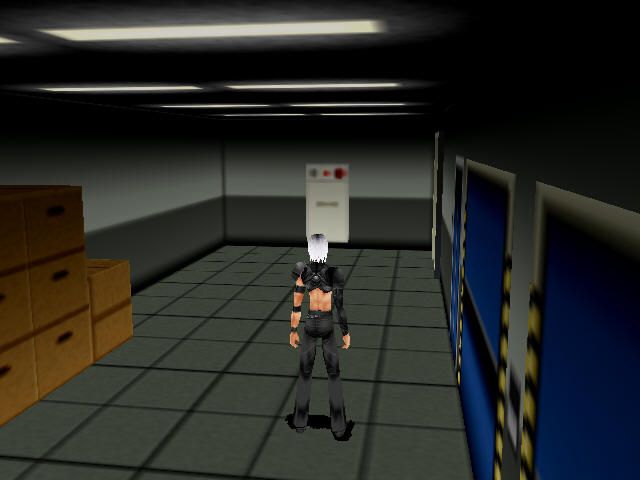
Movement is smooth and responsive, with intuitive controls that let you shift perspective on the fly. You can peer around corners, examine objects, and backtrack when new information surfaces. The absence of HUD clutter enhances immersion—you rely on environmental cues and Hinoe’s own reactions to gauge danger. While the exploration-focused gameplay might feel sparse to action fans, it creates a meditative pace that deepens the sense of mystery.
Story events unfold through carefully placed still CG sequences, triggered as you reach key locations. These transitions feel organic, seamlessly connecting exploration and narrative without breaking the mood. While you won’t find combat encounters or timed challenges, the game does an excellent job of building tension through sound design and pacing. Each new room or hallway can hold unexpected revelations, making every step a potentially thrilling discovery.
One of the more innovative mechanics is Hinoe’s demon-like arm power, which you gradually learn to control. Though there’s no direct combat, these powers unlock new paths and secrets. Sometimes you’ll use a spectral vision to reveal hidden messages scrawled on walls; other times you’ll manipulate objects remotely to open locked doors. This mechanic adds depth to the otherwise straightforward exploration, tempting you to revisit earlier areas in search of missed details.
Overall, the gameplay of Gematria: Code succeeds by sticking to its core promise: an atmospheric journey through a haunted structure. If you’re looking for a challenge defined by reflex tests or brain-teasers, you may feel underwhelmed. But if you appreciate slow-burning tension and environmental storytelling, this is a refreshing and well-crafted adventure.
Graphics
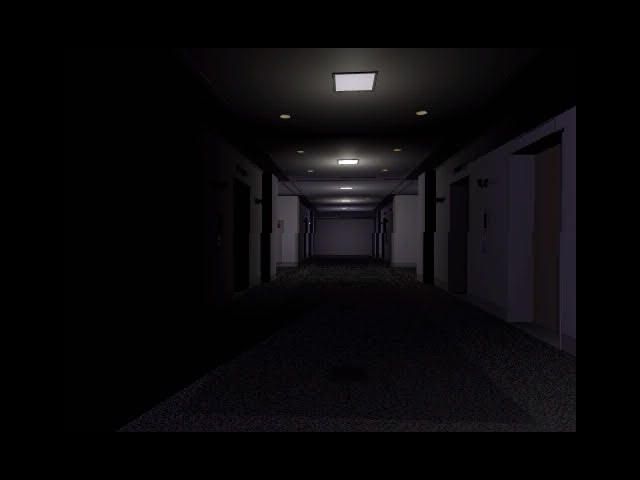
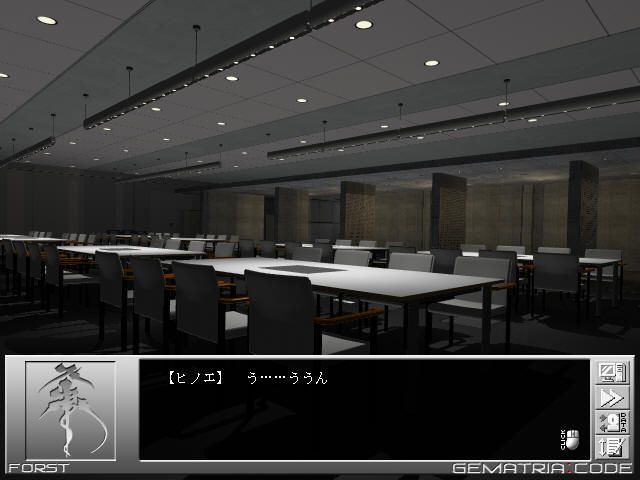
Gematria: Code presents a stark, atmospheric world rendered in muted tones and harsh lighting. The abandoned building’s hallways are bathed in flickering fluorescent bulbs and cracked shadows, creating a sense of unease that permeates every corridor. Textures on peeling wallpaper, scattered papers, and dusty office furniture feel lived-in, as though the facility just fell silent moments before your arrival.
The game’s 3D environments are meticulously detailed, yet not overloaded with clutter. Designers have struck a careful balance: rooms contain enough props to feel realistic, but you won’t be overwhelmed by visual noise. This minimalist aesthetic directs your focus toward crucial story clues and CG triggers, ensuring that important details never get lost in the scenery. It also contributes to a haunting atmosphere, where empty spaces speak as loudly as the objects that remain.
Still CG sequences showcase high-quality artwork, each frame resembling a piece of moody concept art. These scenes effectively capture Hinoe’s emotional turmoil, with close-ups that highlight the hero’s confusion and determination. The transition between real-time exploration and these pre-rendered moments is almost seamless, maintaining immersion and reinforcing the game’s cinematic ambition.
Character design, though sparse, leaves a strong impression. Hinoe’s silhouette—his demon-like arm glowing faintly in the darkness—becomes an iconic image throughout your journey. Similarly, the monster you confront is deliberately obscured for much of the game, which heightens its mystique. By withholding full visual reveals, Gematria: Code uses restraint to build anticipation, making every glimpse of the creature a memorable event.
Overall, the graphics of Gematria: Code are not about flashy effects or ultra-realistic detail. Instead, they employ a focused, atmospheric style that perfectly complements the game’s themes of memory loss and demonic intrusion. For players who value mood and artistic direction, the visuals alone make this title worth exploring.
Story
The narrative of Gematria: Code begins with a classic hook: Hinoe awakens in a deserted office, memory fragmented, with only a name and a mysterious arm power. This setup immediately raises questions: Who brought him here? What is the secret organization he serves? And how did demons come into play? From the first scene, the game invests you in Hinoe’s search for identity and purpose.
As you explore, scattered documents, audio logs, and wall graffiti piece together a backstory of betrayal and hidden agendas. The secret organization fighting demons appears both noble and morally ambiguous, hinting that Hinoe’s past may not be as clear-cut as it seems. You sense the weight of every revelation, as if learning the truth might cost more than the battles you never actually fight. This tension between knowledge and consequence propels the narrative forward.
The demon invasion of the building serves as both a literal and metaphorical threat. On one level, you’re navigating a space overrun by a malevolent force. On another, the demon powers coursing through Hinoe’s arm symbolize the dark past he’s trying to escape. Story-related CG sequences dramatize key turning points, delivering emotional payoffs with cinematic flair. Each revelation is carefully timed to maintain suspense without resorting to cheap scares.
Gematria: Code’s strength lies in its thematic depth. Questions of memory, identity, and morality intertwine as you uncover secret files detailing brutal experiments and hidden conspiracies. The writing balances exposition and ambiguity: you’re given enough information to stay engaged, but not so much that the mystery evaporates. This restraint ensures that players remain invested until the final scene, eager to piece together the full picture.
In the end, the game poses difficult choices and ambiguous resolutions. Hinoe’s journey isn’t just about defeating a monster; it’s about confronting the monster within. By weaving supernatural elements with psychological drama, Gematria: Code crafts a story that resonates long after you turn off the console.
Overall Experience
Gematria: Code is an atmospheric gem that defies traditional genre expectations. By eschewing puzzles and combat in favor of pure exploration and narrative, it delivers a focused, emotionally charged experience. Players who enjoy slow-burn tension and story-driven gameplay will find themselves fully immersed in Hinoe’s world.
The game’s pacing may feel deliberately unhurried, but each corridor reveals new layers of intrigue. There’s a satisfying rhythm to uncovering documents, triggering CG scenes, and unlocking further areas with Hinoe’s demon-like powers. This structure encourages you to savor each discovery rather than rush toward an endgame.
While the lack of action might disappoint those seeking high-octane thrills, Gematria: Code compensates with a deep, thought-provoking narrative and a hand-crafted atmosphere. The haunting visuals and seamless integration of still sequences create a cinematic feel that few adventure games achieve. It’s a title that rewards patience and attention to detail.
Whether you’re drawn by the promise of supernatural mystery or simply craving an immersive exploration experience, Gematria: Code offers a memorable journey. It stands as a testament to the power of environmental storytelling and thematic cohesion. If you’re ready to step into Hinoe’s shoes and confront both external horrors and inner demons, this game is an adventure you won’t soon forget.



Reviews
There are no reviews yet.