 Retro Replay Retro Replay gaming reviews, news, emulation, geek stuff and more!
Retro Replay Review
Gameplay
GROM: Terror in Tibet seamlessly blends role-playing elements with stealth and tactical combat, offering a multifaceted experience that keeps you on your toes. Players control Colonel Grom and a small squad of specialists, each bringing unique skills to the table. As you navigate treacherous mountain passes and secret strongholds hidden in the Himalayas, you’ll find that every encounter can be approached in a variety of ways—whether you choose to slip past Nazi patrols under the cover of darkness or dive headfirst into open firefights.
(HEY YOU!! We hope you enjoy! We try not to run ads. So basically, this is a very expensive hobby running this site. Please consider joining us for updates, forums, and more. Network w/ us to make some cash or friends while retro gaming, and you can win some free retro games for posting. Okay, carry on 👍)
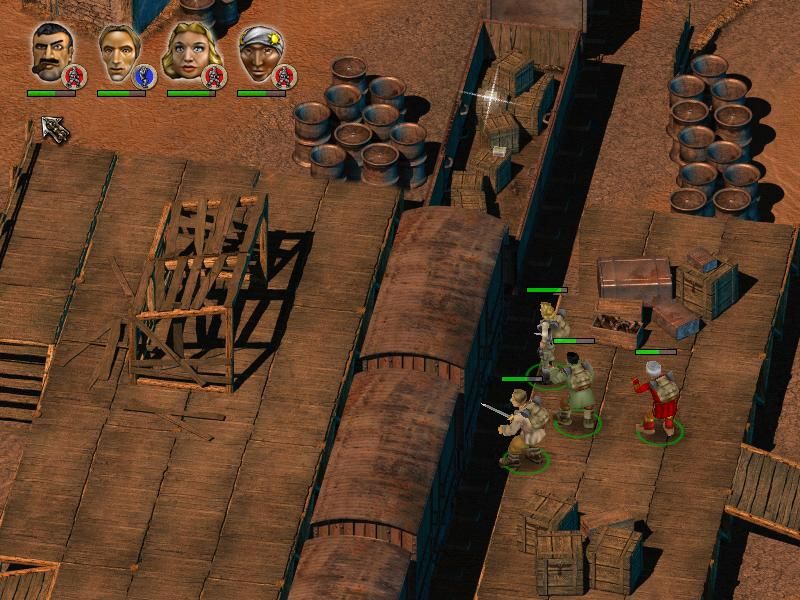
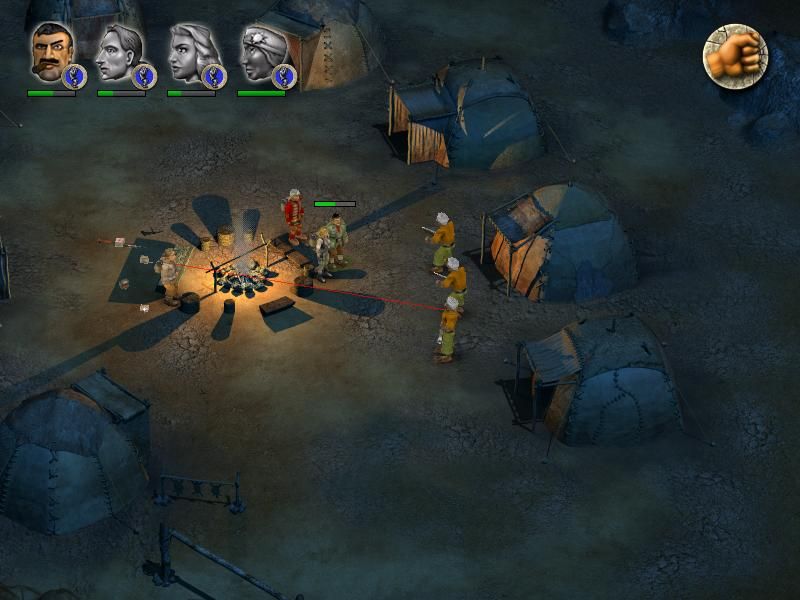
The combat system draws clear inspiration from classics like Baldur’s Gate, featuring real-time action with the crucial ability to pause and issue precise orders. This mechanic shines during heated skirmishes: you can halt the action to reposition your team, assign overwatch, or focus-fire on high-value targets. Weapon proficiency progression adds a fresh layer of depth, as each use of rifles, pistols, or explosives under your belt makes your squad deadlier over time. This gradual improvement rewards deliberate playstyles and careful ammo management, forcing you to consider whether to expend limited incendiaries now or save them for potentially deadlier obstacles ahead.
Stealth sequences are a standout feature, challenging you to study patrol patterns, utilize makeshift cover, and employ silent takedowns. While not as elaborate as dedicated stealth titles, GROM’s approach strikes a balanced compromise between action and subterfuge. You’ll find exhilaration in slipping past enemy sentries to plant charges on guarded doors or in delivering a well-coordinated ambush from the tree line. However, it’s worth noting that the detection AI occasionally lapses into predictability, leading to a few cheap detections that can break immersion.
Exploration follows a largely linear path, guiding you along a series of handcrafted environments that emphasize cinematic set pieces over open-world freedom. A detailed country map links each segment, giving you brief moments to survey the broader Tibetan landscape before plunging back into mission corridors. While this structure may feel restrictive to some, it ensures that pacing remains tight, narrative beats land effectively, and every level introduces fresh tactical opportunities rather than dragging through filler zones.
Graphics
Visually, Terror in Tibet captures the stark beauty and looming peril of the wartime Himalayas. Snow-laden peaks stretch across distant vistas, while crumbling monasteries and hidden caverns feature intricate stonework bathed in shifting daylight. The contrast between pristine snowfields and the grime of Nazi encampments underscores the thematic clash at the heart of the story: ancient mysticism versus industrial tyranny.
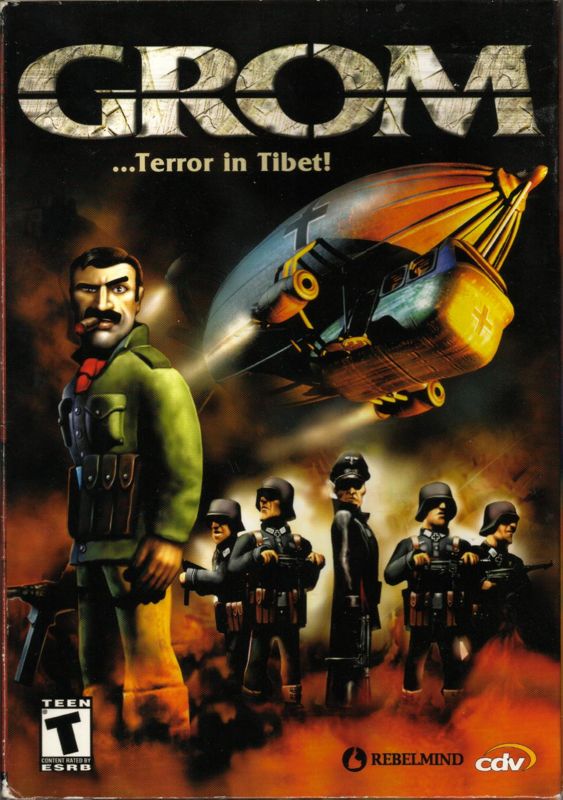
Character models are robustly detailed for their era, displaying realistic clothing textures—from Colonel Grom’s weather-beaten uniform to the Nazi officers’ sharp, authoritative regalia. Facial animations handle dialogue cutscenes adequately, though they occasionally dip into stiffness during extended monologues. Still, cleverly framed camera angles and dynamic lighting help mask these minor shortcomings and keep the focus on story beats rather than mechanical imperfections.
Combat effects deliver satisfying feedback: muzzle flashes illuminate frosty exhalations, dust kicks up convincingly from cave floors, and shrapnel sprays with visceral immediacy. Fire and smoke render smoothly, enhancing stealth sequences where flickering torchlight can both illuminate your path and betray your presence. On lower-end hardware, texture pop-ins are infrequent, and overall performance remains stable—an impressive feat given the complexity of battle animations and environmental debris.
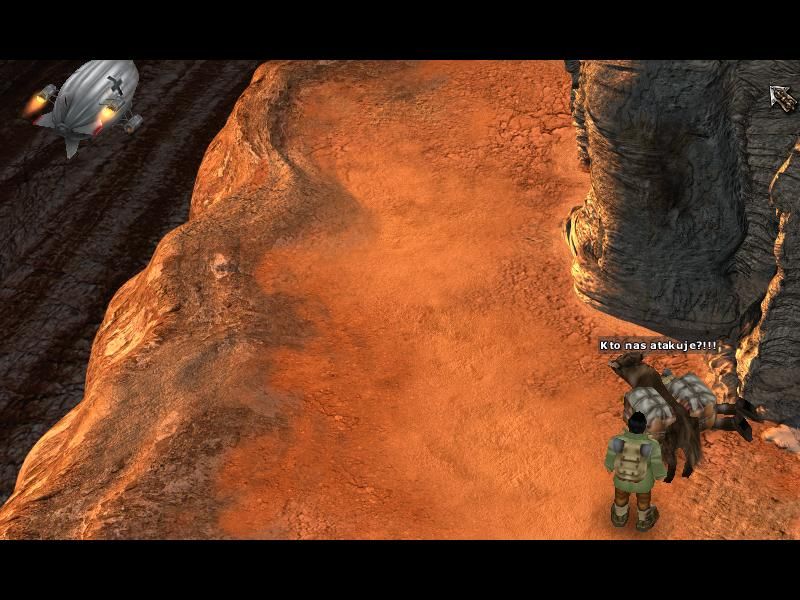
One area for improvement lies in the occasionally repetitive environmental assets. You may notice similar rock formations or interior layouts between certain chapters, which slightly undermines the distinctiveness of each location. However, this is balanced by memorable set pieces: a frantic mule train ambush at dawn and a tense rescue mission in a snowbound temple stand out as graphical highlights that elevate the overall visual journey.
Story
The premise of GROM: Terror in Tibet is steeped in high-stakes intrigue. Set against the backdrop of World War II, you assume the role of Colonel Andrzej Grom, a shrewd Polish commander with a personal vendetta against the Third Reich. When German special forces invade the hidden realms of Tibet in search of the legendary “miracle” weapons of King Arunja, Grom is dispatched on a mission that quickly evolves from sabotage to a race against time to prevent global annihilation.
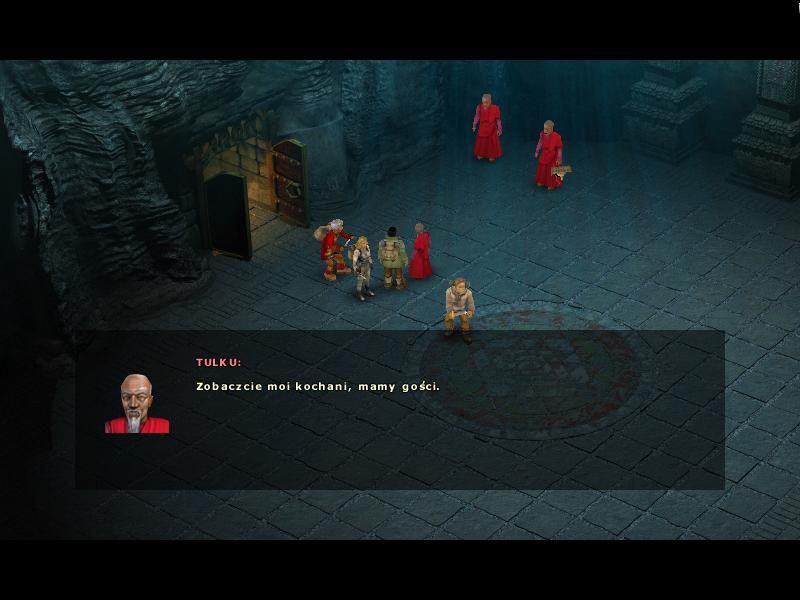
Dialogue-driven interactions with NPCs enrich the narrative fabric, offering multiple conversational paths that can unlock additional intel, side objectives, or moral dilemmas. While the overarching plot remains linear, these branching exchanges bring a welcome sense of agency, allowing you to shape Grom’s approach—whether he leans into stoic professionalism or candid camaraderie with his allies. The supporting cast, including a resourceful Buddhist monk and a fellow SOE operative, is fleshed out with enough backstory to keep you invested in their personal arcs.
Pacing is generally well-judged, interspersing quiet moments of discovery—like deciphering ancient Tibetan scriptures—with adrenaline-pumping set pieces, such as a chase along cliffside ledges or a firefight in a crumbling fortress. The legend of the 12 miracle weapons adds a mythical dimension that heightens the stakes, and the game’s final act gradually peels back layers of Nazi occult research to reveal a chilling conspiracy. Although some twists may feel familiar to genre veterans, the blend of historical fact and speculative fiction keeps the narrative compelling from start to finish.
Minor narrative shortcomings emerge in the form of occasional exposition dumps and an ending that wraps up plot threads a bit too neatly. A handful of characters introduced early on receive little closure, leaving side intrigues unresolved. Nevertheless, the core story of Colonel Grom’s vengeance and the race to secure— or destroy—the miracle weapons remains strong, offering a satisfying throughline for anyone fascinated by WWII-era thrillers with a supernatural twist.
Overall Experience
GROM: Terror in Tibet delivers a distinctive RPG experience that combines tactical depth, engaging stealth, and a gripping historical-fantasy narrative. Its real-time-with-pause combat feels both accessible and rewarding, especially for those who enjoy methodical planning and squad-based strategy. While the linear mission structure may not appeal to fans of open-world exploration, it ensures a focused adventure free of extraneous filler.
The game’s atmospheric graphics and evocative sound design transport you to the frozen peaks and hidden temples of wartime Tibet, sustaining immersion even when minor AI quirks or repetitive assets emerge. The story’s mix of historical drama and occult intrigue offers a fresh take on World War II gaming, with Colonel Grom proving to be a charismatic protagonist whose personal stakes add emotional weight to the broader conflict.
Overall, GROM: Terror in Tibet is a strong recommendation for players who crave a serious RPG with stealth elements and robust tactical combat. Its blend of deliberate pacing, varied mission design, and narrative ambition make it a standout title for enthusiasts of both historical fiction and squad-based adventures. Casual players may find certain mechanics demanding, but those willing to invest in mastering stealth and weapon progression will be richly rewarded by one of the more unique wartime RPGs on the market.
Whether you’re drawn by the legend of the miracle weapons, Colonel Grom’s quest for justice, or the chance to fight Nazis in the shadow of the Himalayas, this game delivers a memorable journey that balances strategic challenge with cinematic flair. In the crowded field of WWII titles, Terror in Tibet stakes its claim as an unexpected—and thoroughly engaging—chapter in the ongoing battle against the Axis powers.



Reviews
There are no reviews yet.