 Retro Replay Retro Replay gaming reviews, news, emulation, geek stuff and more!
Retro Replay Review
Gameplay
Guild Wars: Nightfall builds upon the core mechanics of its predecessors by introducing a richly detailed world in the lands of Elona, divided into Istan, Kourna, and Vaabi. Players will immediately notice the freedom to switch between saved skill templates, a feature that encourages experimentation with builds as you tackle varied challenges across these distinct regions. Whether you’re braving the lush shores of Istan or navigating the desert sands of Kourna, the ability to quickly adapt your skills to the environment is a welcome quality-of-life improvement.
(HEY YOU!! We hope you enjoy! We try not to run ads. So basically, this is a very expensive hobby running this site. Please consider joining us for updates, forums, and more. Network w/ us to make some cash or friends while retro gaming, and you can win some free retro games for posting. Okay, carry on 👍)
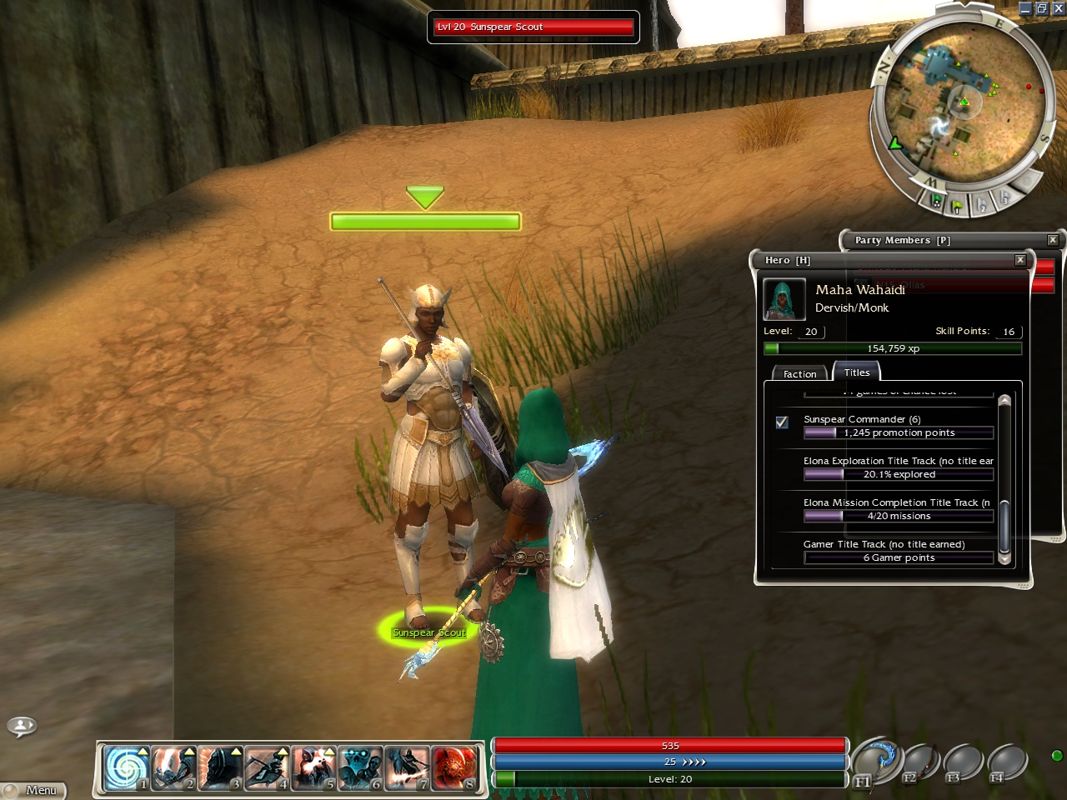
The most significant leap in Nightfall’s gameplay is the revamped AI companion system. For the first time, you can recruit “heroes” — fully customizable, computer-controlled allies who gain ranks, equip gear, and learn your preferred tactics as they accompany you through missions. These heroes can be instructed with simple commands like “guard this point” or given more complex roles on the battlefield, offering both newcomers and veterans a more approachable group-play experience without relying entirely on random matchmaking.
Nightfall’s two new professions, the Paragon and the Dervish, drastically reshape party dynamics. The Paragon excels at ranged support, bolstering companions with inspiring warcries and defensive maneuvers behind the frontline. By contrast, the Dervish wields a deadly scythe and can even transform into a godly avatar, unleashing devastating area-of-effect abilities. This tension between support and brute force encourages cooperative playstyles and strategy, ensuring each encounter feels fresh and engaging.
Graphics
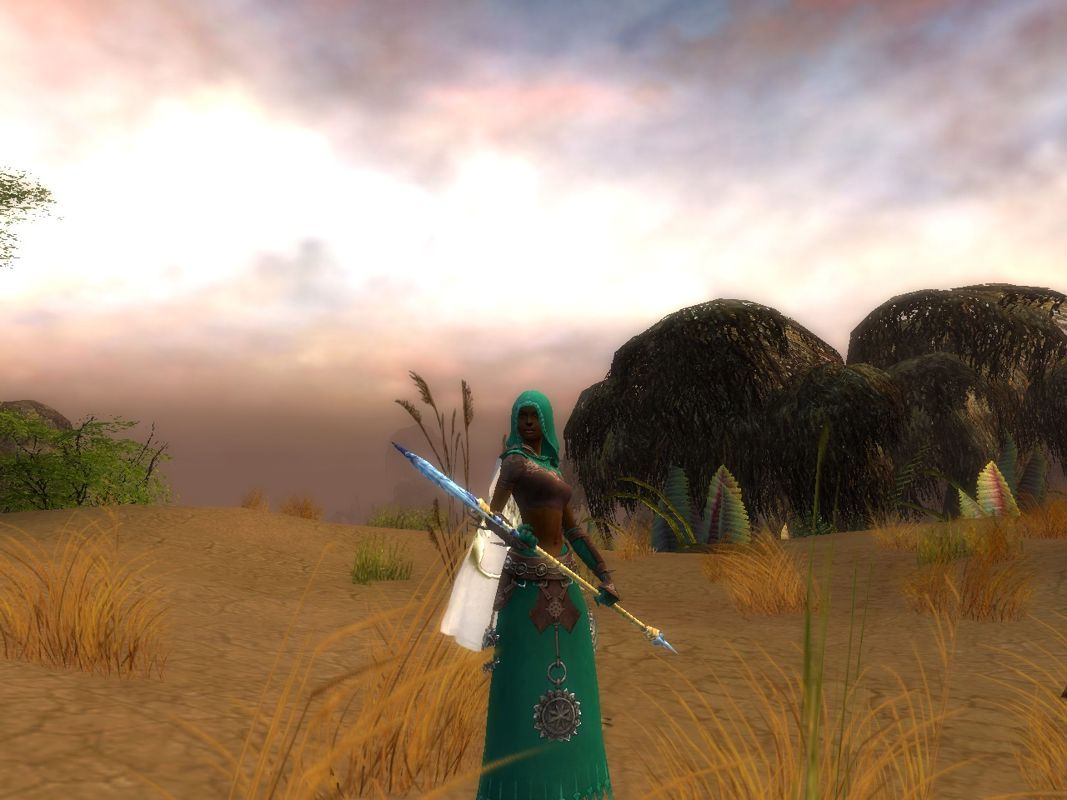
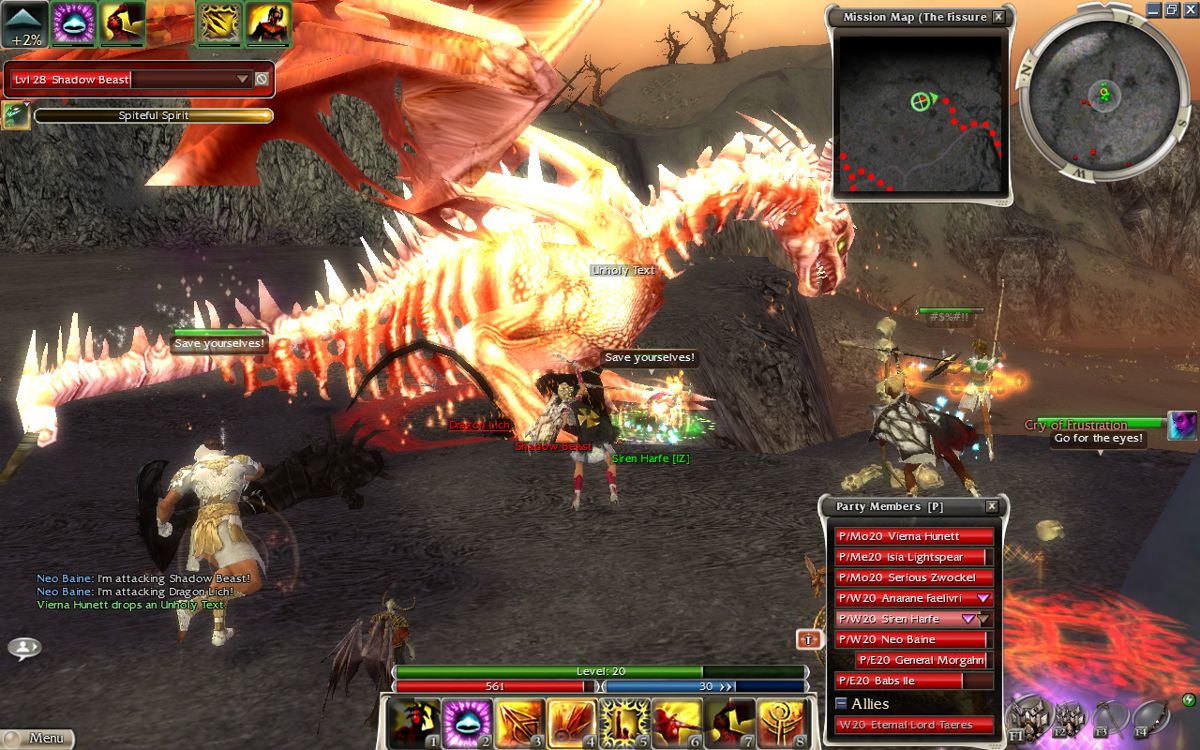
With Nightfall, ArenaNet pushed forward the graphical engine to bring the world of Elona to life in greater detail than ever before. Dynamic weather effects drench the jungles of Kourna with sudden downpours, while sweeping sandstorms obscure vision in Vaabi, creating not just visual beauty but tactical considerations as well. Character models receive improved textures and smoother animations, making every combat move and skill cast feel grounded in tangible motion.
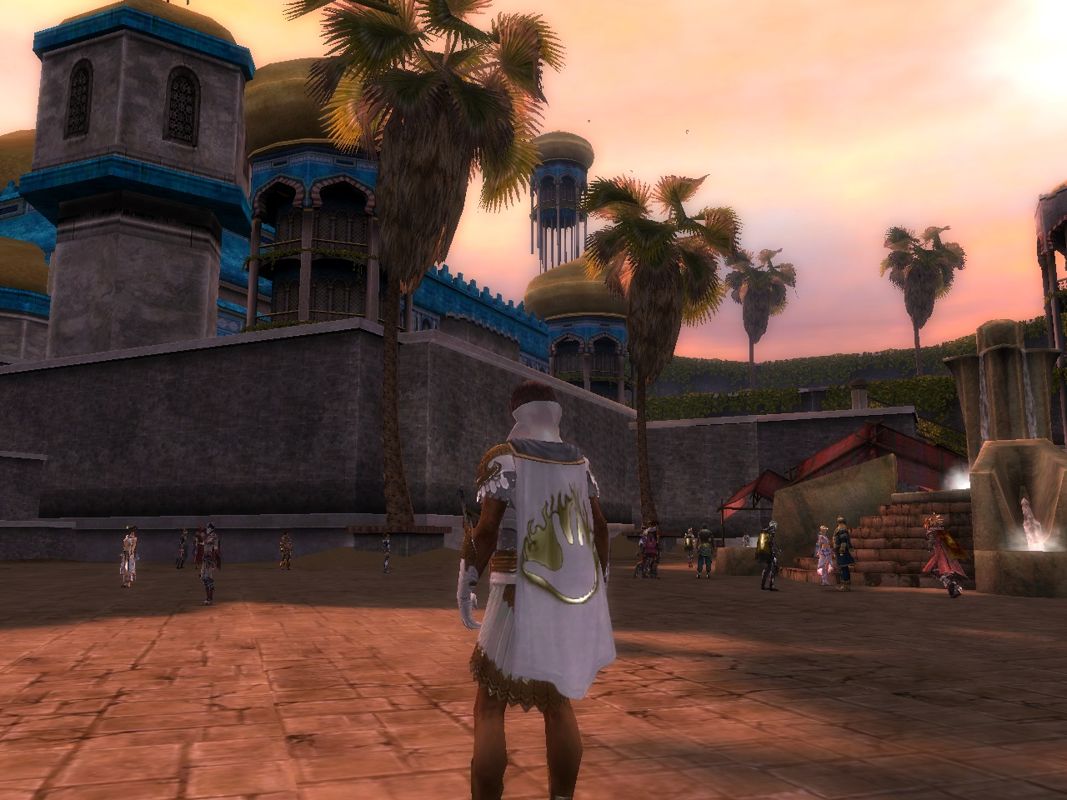
Lighting in Nightfall plays a crucial role in immersion. Dawn breaks over the coastal city of Istan with warm golden hues, whereas the twilight skies of Vaabi adopt a more ominous palette, hinting at Abaddon’s looming return. Reflections on water surfaces and realistic shadow casting elevate the environments, ensuring that exploration feels like a journey through a living, breathing world rather than a static backdrop.
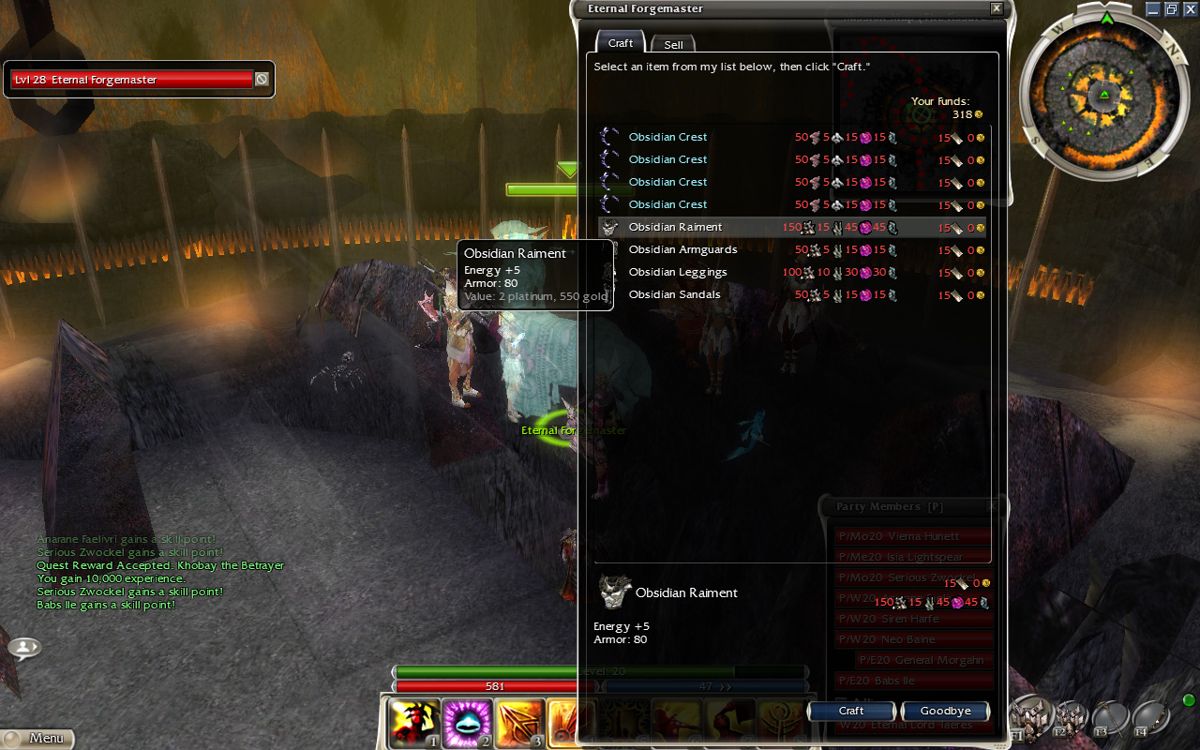
The UI also receives a thoughtful polish. Skill icons are clearer, minimaps are more legible, and inventory screens are streamlined to reduce clutter. Even with the added complexity of hero customization menus, the interface guides players intuitively, so newcomers can jump into the action quickly, and seasoned explorers can fine-tune every detail without getting lost in nested submenus.
Story
Nightfall unfolds against the epic backdrop of Abaddon, the fallen god, preparing his return to plunge Elona back into darkness. Tension simmers among Istan’s seafaring tribes, Kourna’s desert kingdoms, and Vaabi’s ancient ruins as word of his devotees’ machinations spreads. This narrative thrust gives players a compelling reason to traverse every corner of the map — from pirate-infested harbors to long-forgotten tombs — in search of clues and allies to thwart the coming night.
Dialogue and quest design in Nightfall strike an admirable balance between grand mythic stakes and personal character moments. NPCs are richly voiced, offering insight into their cultures and struggles as Abaddon’s influence grows. Side missions range from protecting caravans in the desert wastes to recovering sacred artifacts in hidden temples, each weaving together local color and overarching plot development.
The climactic encounters against Abaddon’s high priests and ultimate confrontation with the god himself feel earned thanks to the gradual escalation of narrative tension. By the time players breach the final bastion of Nightfall’s campaign, they’ve formed a narrative investment not only in the fate of Elona but in the growth of their own hero and the bonds forged with their AI companions.
Overall Experience
Guild Wars: Nightfall succeeds in marrying accessibility with depth. The hero system and skill templates democratize group play, allowing solo adventurers to tackle high-level content at their own pace, while guilds and friends can still coordinate elaborate tactics in challenging missions. This flexible structure invites a wide audience, from casual explorers to hardcore strategists.
Elona’s three provinces offer contrasting atmospheres and environmental challenges that keep the exploration loop compelling. Each region introduces new enemies, puzzles, and side stories, encouraging players to linger and savor the world rather than rushing through the main campaign. Replay value is further bolstered by the two unique character classes, whose divergent playstyles can dramatically alter the feel of every encounter.
Ultimately, Nightfall stands as a milestone in the Guild Wars series. Its strategic gameplay enhancements, augmented AI, and polished presentation come together to create an immersive fantasy RPG that remains rewarding even years after release. Whether you’re new to the franchise or a veteran hero, Elona’s fate beckons — and you’ll be eager to answer the call.


Reviews
There are no reviews yet.