 Retro Replay Retro Replay gaming reviews, news, emulation, geek stuff and more!



Retro Replay Review
Gameplay
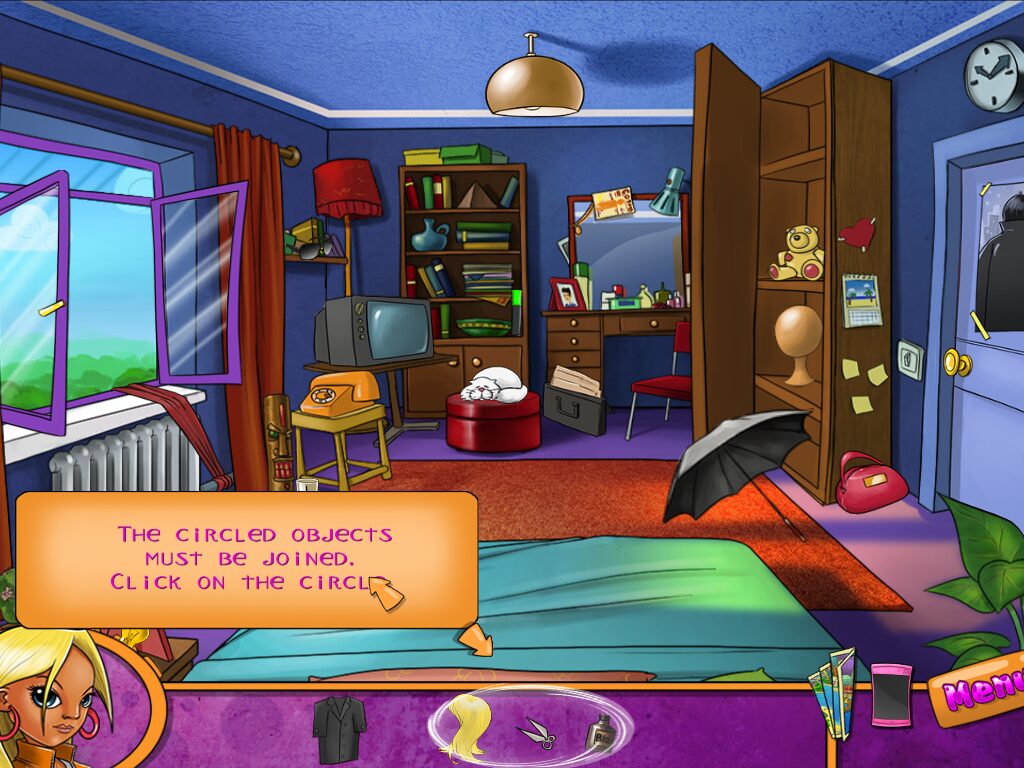
Kellie Stanford: Turn of Fate delivers a classic point-and-click adventure experience tailored for the casual gamer. You navigate through a series of static screens, each densely populated with hidden-object challenges. The primary goal is to locate and click on items displayed along the bottom of the screen, often requiring you to open cabinets, drawers, and other interactive set pieces to reveal cleverly concealed objects.
(HEY YOU!! We hope you enjoy! We try not to run ads. So basically, this is a very expensive hobby running this site. Please consider joining us for updates, forums, and more. Network w/ us to make some cash or friends while retro gaming, and you can win some free retro games for posting. Okay, carry on 👍)
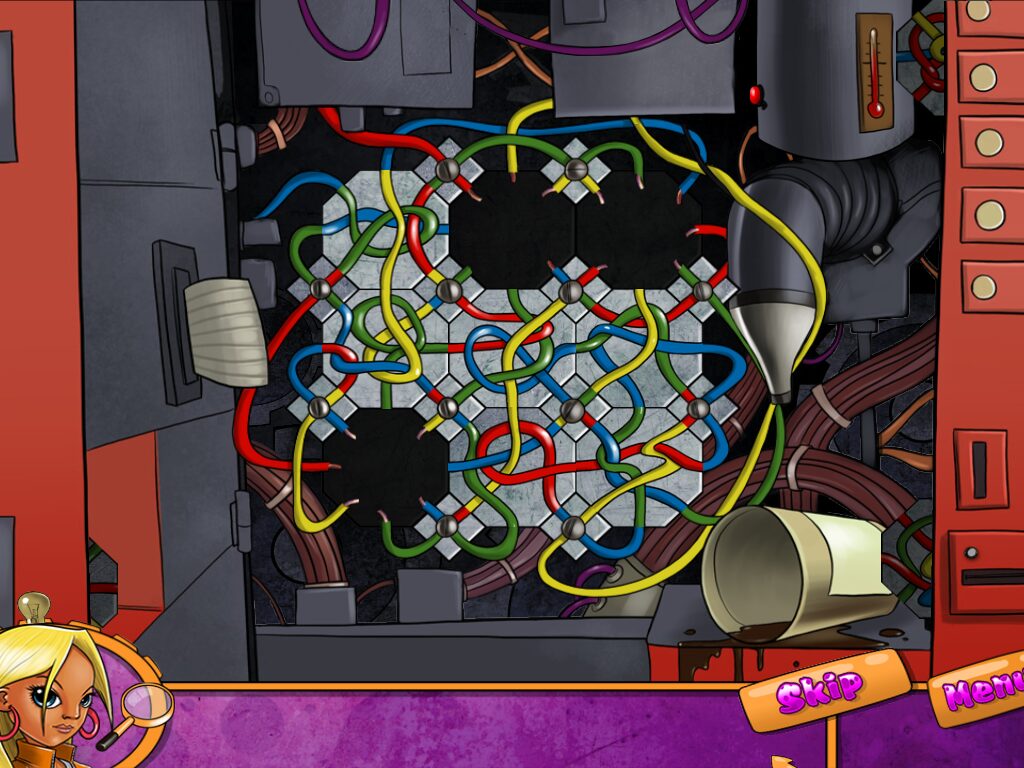
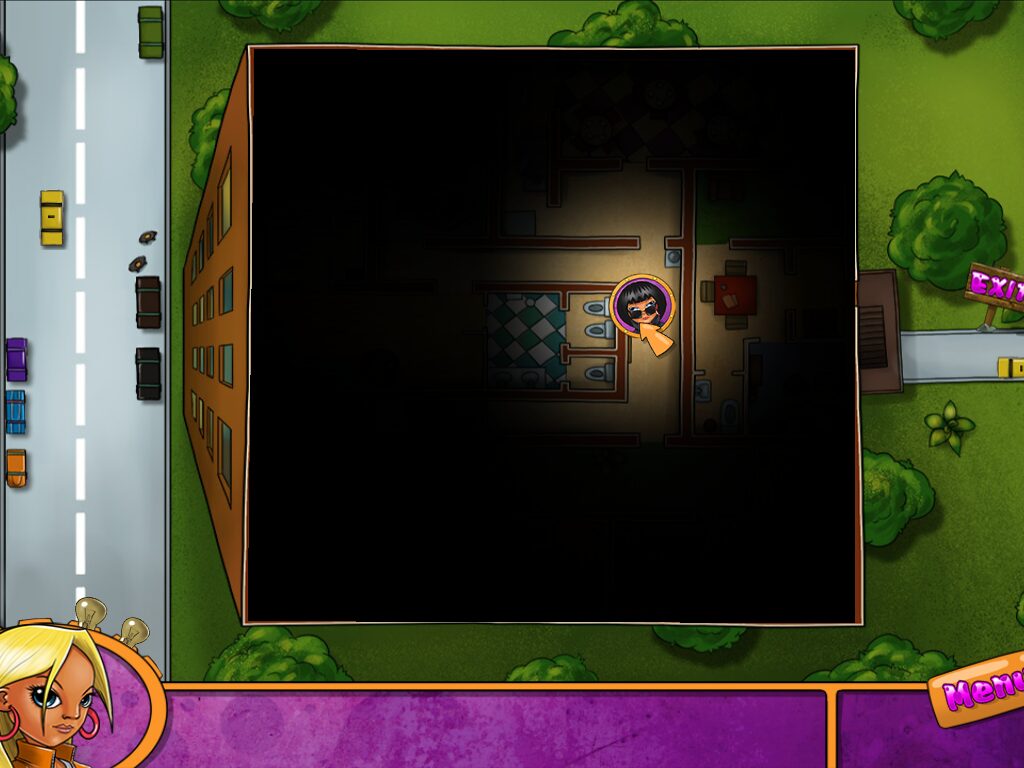
Beyond the standard hidden-object segments, the game incorporates twenty unique mini-games designed to break up the routine. These include guiding Kellie through maze-like rooms in her darkened apartment to avoid sinister pursuers, crafting a bespoke key by fitting shapes into their correct slots, and even a quick round of Reversi/Othello against an AI opponent. Each mini-game introduces fresh mechanics and demands a brief but engaging mental shift.
Inventory management and puzzle integration are straightforward: items you collect are stored for later use, and dragging the correct object to a hotspot triggers contextual actions. This intuitive drag-and-drop system ensures that players of all skill levels can solve puzzles without frustration. Hint light bulbs surrounding Kellie’s portrait offer graded assistance—one bulb removed pinpoints an item, two bulbs removed skip the mini-game—while optional hidden-object scenes replenish lost hints, striking a fair balance between challenge and accessibility.
Graphics
The game’s visual style embraces bright, cartoon-inspired art that complements its lighthearted yet suspenseful narrative. Character models are rendered with exaggerated expressions, which lends personality to Kellie and her pursuers without veering into caricature. The color palette is vivid and varied, ensuring each location—from Kellie’s chic apartment to shadowy back alleys—feels distinct and memorable.
Backgrounds are richly detailed, with interactive hotspots subtly integrated into the scenery. Cabinets, windows, and furniture feature clear visual cues when they can be manipulated, helping players avoid pixel-hunting frustration. Smooth transition animations guide you between scenes, maintaining immersion without lengthy load times, while sound effects—such as the creak of a door or the click of a well-fitted key—reinforce successful interactions.
Performance-wise, Kellie Stanford runs smoothly on most casual gaming setups. There are no major frame drops or graphical glitches, even on lower-end hardware. The user interface is uncluttered: inventory slots are easy to read and the hint system is prominently displayed around Kellie’s portrait. Overall, the presentation is polished and well-suited to the game’s casual-adventure ethos.
Story
Kellie Stanford’s journey begins with high aspirations: a successful movie studio stylist on the cusp of becoming a cinematographer. Her world turns upside down when Mike, a close friend, warns her of a deadly conspiracy targeting her life. This adrenaline-fueled setup quickly transitions you from routine studio life into a tense cat-and-mouse pursuit across the city.
As Kellie dons her disguise and flees her apartment, players explore a variety of urban locales—each holding clues about who wants her silenced and why. From dimly lit corridors to bustling city streets, every environment adds narrative context, revealing fragments of threatening messages and cryptic notes. These discoveries fuel your curiosity and keep the plot moving at a brisk pace.
Character interactions, though limited by the game’s casual format, are effective in conveying urgency and intrigue. Kellie’s terse phone conversations with Mike and terse notes left behind by conspirators heighten the tension. While dialogue is succinct, it’s peppered with cinematic flair that nods to Kellie’s industry background, making the story feel more connected to her dream of life behind the camera.
Overall Experience
Kellie Stanford: Turn of Fate is a well-crafted adventure for those seeking a light but engaging gaming session. Its blend of hidden-object play, simple puzzles, and varied mini-games creates a rhythm that prevents monotony. The hint system is generous enough to guide newcomers, yet optional challenges remain for players desiring a deeper test of their observation skills.
That said, seasoned adventure gamers may find the puzzles predictable and the hidden-object scenes formulaic. The overarching mystery, while compelling, doesn’t evolve into branching narratives or deep character studies. Replay value is moderate: once you’ve memorized item locations and puzzle solutions, the primary draw becomes revisiting favorite mini-games rather than uncovering new story beats.
Overall, Turn of Fate shines as a casual point-and-click experience. Its colorful graphics, straightforward mechanics, and brisk pacing make it ideal for players who appreciate short bursts of investigative fun without a steep learning curve. For fans of hidden-object titles or anyone intrigued by a stylish thriller featuring a plucky heroine, this game offers a satisfying journey through shadows and studio lights alike.



Reviews
There are no reviews yet.