 Retro Replay Retro Replay gaming reviews, news, emulation, geek stuff and more!


Retro Replay Review
Gameplay
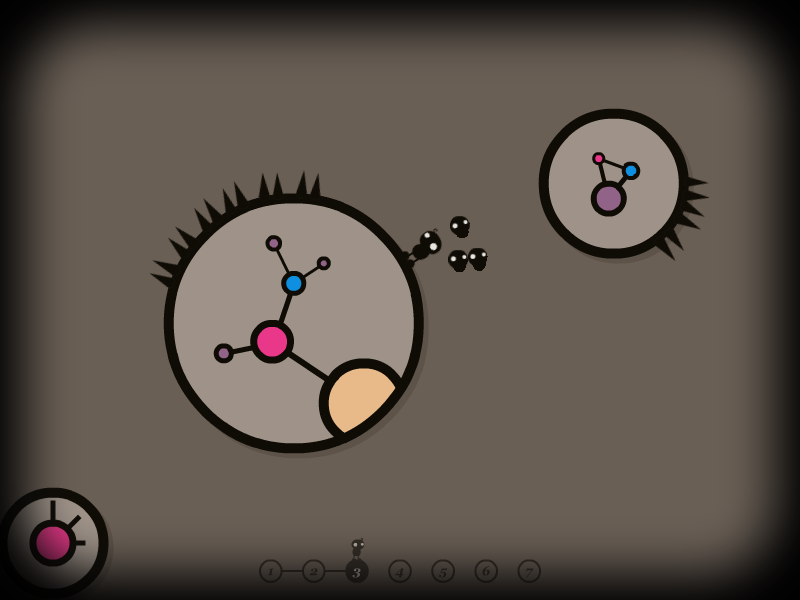
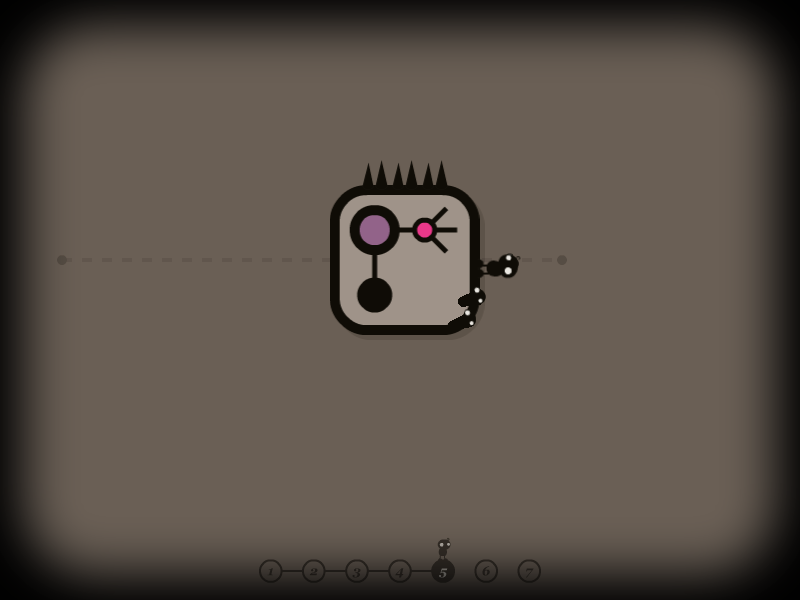
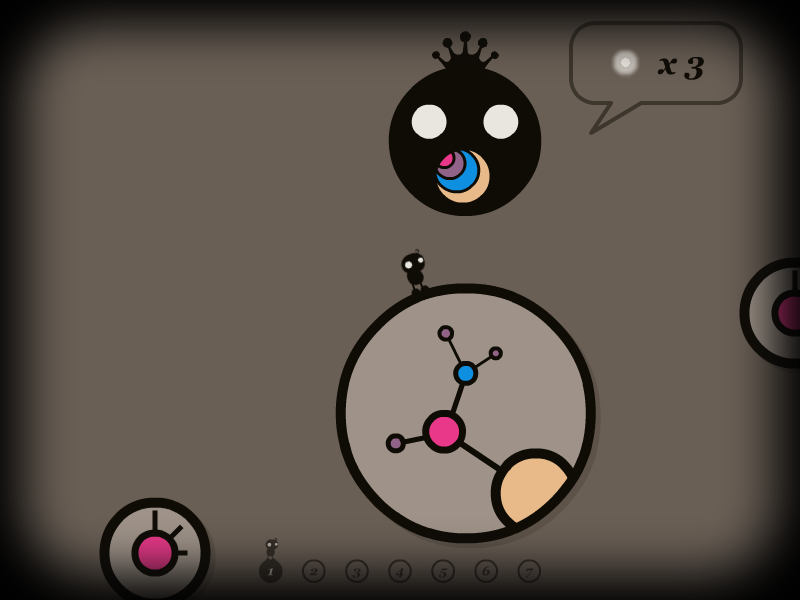
Maru’s gameplay centers on precise timing and spatial reasoning, as players guide a small black character across seven intricately designed levels. Each level is composed of geometric shapes—circles, cubes, and more—each with its own gravitational pull. This unique gravity-field mechanic forces you to plan your jumps carefully, since landing on the edges or surfaces of these shapes can drastically alter your trajectory.
(HEY YOU!! We hope you enjoy! We try not to run ads. So basically, this is a very expensive hobby running this site. Please consider joining us for updates, forums, and more. Network w/ us to make some cash or friends while retro gaming, and you can win some free retro games for posting. Okay, carry on 👍)
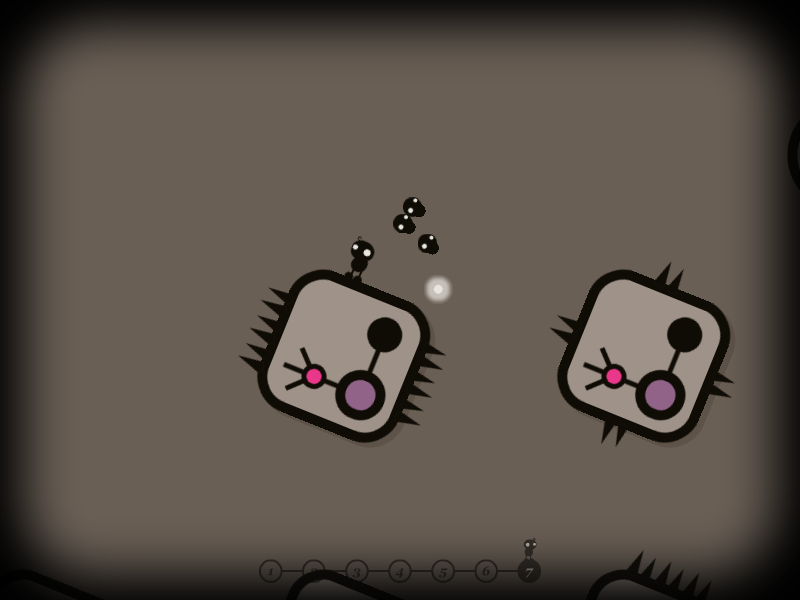
The game introduces spikes and hazards early on, requiring quick reactions to avoid instant death. To balance the challenge, Maru provides collectible black icons that act as extra lives. When you die, one of these icons takes over, allowing you to continue from the point of death. If these icons perish, they leave behind bright lights you can re-collect, providing a dynamic life system that keeps you engaged rather than frustrated.
As you progress, Maru gradually introduces moving and rotating platforms that add new layers of complexity. Timing becomes even more critical when the surfaces you’re jumping on shift direction or spin in place. These elements force you to master the game’s physics, making each successful crossing feel deeply satisfying and earned.
Graphics
Visually, Maru adopts a minimalist, high-contrast aesthetic: a stark black protagonist navigating pristine white backgrounds and geometric shapes. This silhouette style not only looks crisp and modern but also serves a functional purpose by clearly delineating hazards from safe zones. Spikes are sharply rendered, and rotating platforms have clean edges, ensuring that nothing is lost in visual clutter.
The game’s lighting effects are subtle yet impactful. When a life-icon dies and leaves behind a bright light, you’ll notice a soft glow against the monochromatic backdrop. These visual cues help guide your focus and make the collectible lights stand out without overwhelming the screen. The simplicity of the palette amplifies these moments, turning them into small visual rewards for your skillful play.
Though Maru doesn’t feature detailed textures or vibrant color schemes, its design philosophy shines through. Every shape you hop on feels purposeful, and subtle animations—like gentle rotations or smooth platform movements—lend the world a polished, cohesive look. The result is a clean, modern presentation that keeps the action front and center.
Story
Maru doesn’t rely on a traditional narrative with characters and dialogue; instead, it offers an abstract journey through seven gravity-defying levels. This minimal storytelling approach evokes a sense of exploration and discovery. You aren’t given a backstory or an explicit goal beyond reaching the end of each level, which can be refreshing for players who prefer pure gameplay experiences.
Despite the lack of written lore, Maru’s level design hints at an underlying puzzle narrative. Certain sections of levels become inaccessible until you replay them later with additional abilities or lights in tow. This mechanic suggests that the world itself is guiding you toward uncovering deeper secrets, creating a layered story told through gameplay rather than text or cutscenes.
This emergent narrative keeps you invested. As you revisit earlier stages to collect elusive lights and complete hidden puzzles, a sense of progression emerges organically. You feel like you’re piecing together an unseen storyline, even though the game never spells it out for you.
Overall Experience
Maru offers a compact yet challenging platforming experience that will appeal to fans of precision-based gameplay. With only seven levels, it may seem brief, but the inclusion of hidden mechanics and encouraging replay prompts extends its lifespan. Each run feels purposeful, as you refine your skills and uncover all the puzzle elements tucked within the levels.
The balance between difficulty and accessibility is well handled. Early spikes teach you caution, while moving and rotating shapes later push your mastery of the game’s physics to the limit. The innovative life-icon system reduces frustration by seamlessly letting you continue after a misstep, yet still demands skill to reclaim lost lights.
Overall, Maru is a testament to Jesse Venbrux’s knack for creating tight, rewarding platformers. Its minimalist visuals, gravity-shifting mechanics, and replay incentives combine to form an experience that punches well above its indie budget. If you enjoy concise, thought-provoking platformers that challenge both your reflexes and your problem-solving skills, Maru is well worth exploring.


Reviews
There are no reviews yet.