 Retro Replay Retro Replay gaming reviews, news, emulation, geek stuff and more!
Retro Replay Review
Gameplay
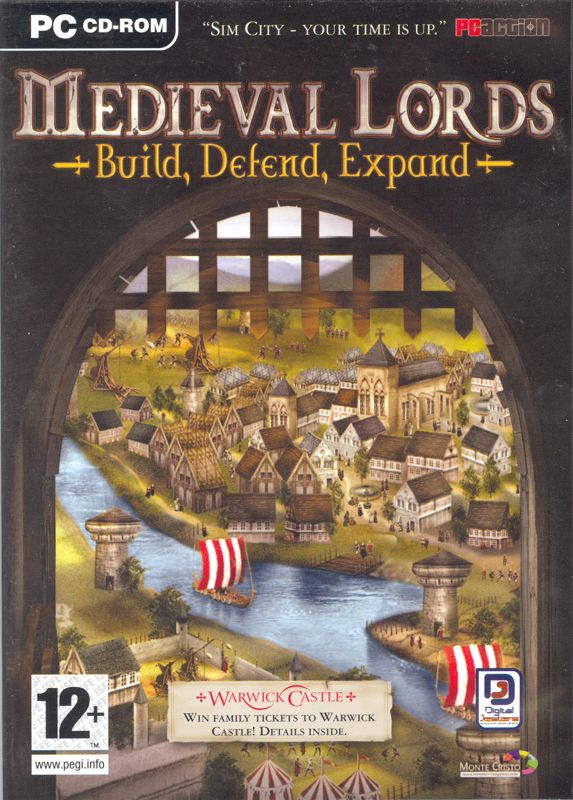
Medieval Lords: Build, Defend, Expand revives the classic city‐building formula pioneered by Impressions’ Caesar series, but modernizes it with a fully 3D engine and a more flexible, SimCity‐style zoning system. Instead of relying on “walker” units to deliver resources or services, you connect buildings via automatically generated dirt paths that ensure each structure remains tied to the growing town center. This leash system feels intuitive, guiding your expansion while preserving the organic growth of thoroughfares and districts.
(HEY YOU!! We hope you enjoy! We try not to run ads. So basically, this is a very expensive hobby running this site. Please consider joining us for updates, forums, and more. Network w/ us to make some cash or friends while retro gaming, and you can win some free retro games for posting. Okay, carry on 👍)
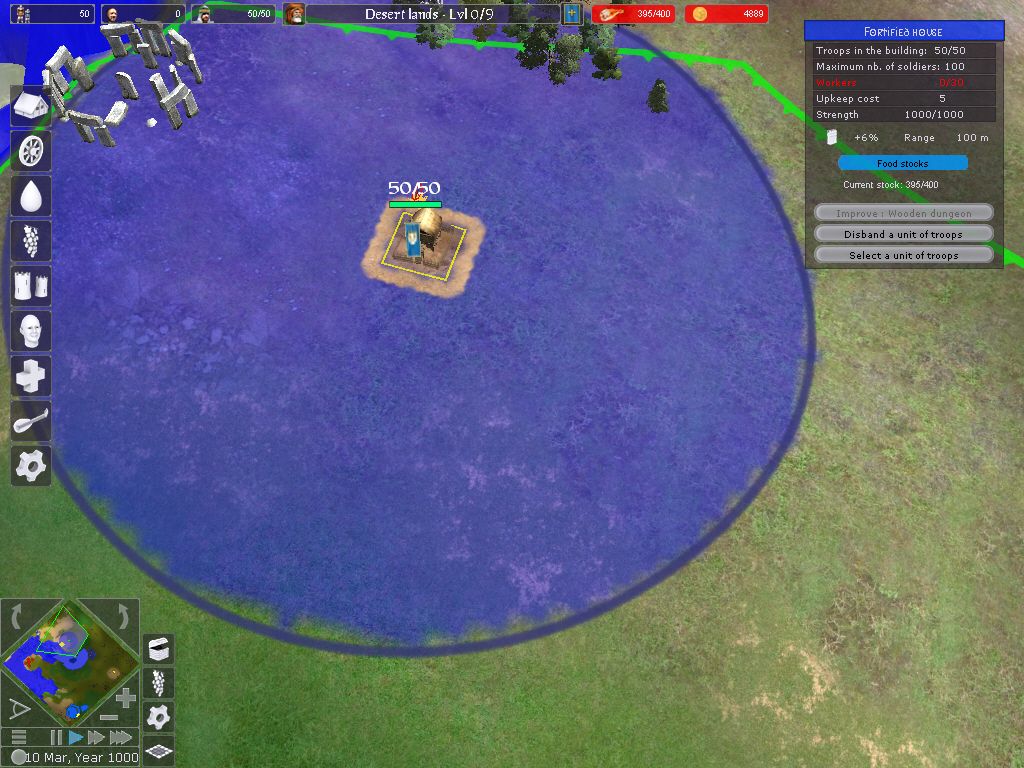
The core loop revolves around satisfying the townsfolk’s fundamental needs—Hunger, Security, Leisure, Serenity, and more—by placing the appropriate buildings within overlapping zones of influence. Farms and bakeries feed the population, taverns and theaters boost morale, and chapels or henges nurture spiritual well‐being. Balancing these demands becomes increasingly challenging as your population swells, demanding careful road planning and resource distribution to avoid bottlenecks or shortages.
Though combat is largely abstracted—favoring brute numbers over specialized unit composition—it still injects a strategic layer into your city planning. Designing a stout set of defensive walls and positioning watchtowers at chokepoints elevates the sense of security among citizens, reducing unrest and deterring raiders. While skirmishes never rival dedicated RTS battles in complexity, the simplified warfare system is a smart compromise that keeps the focus on urban development without sacrificing tension.
Graphics
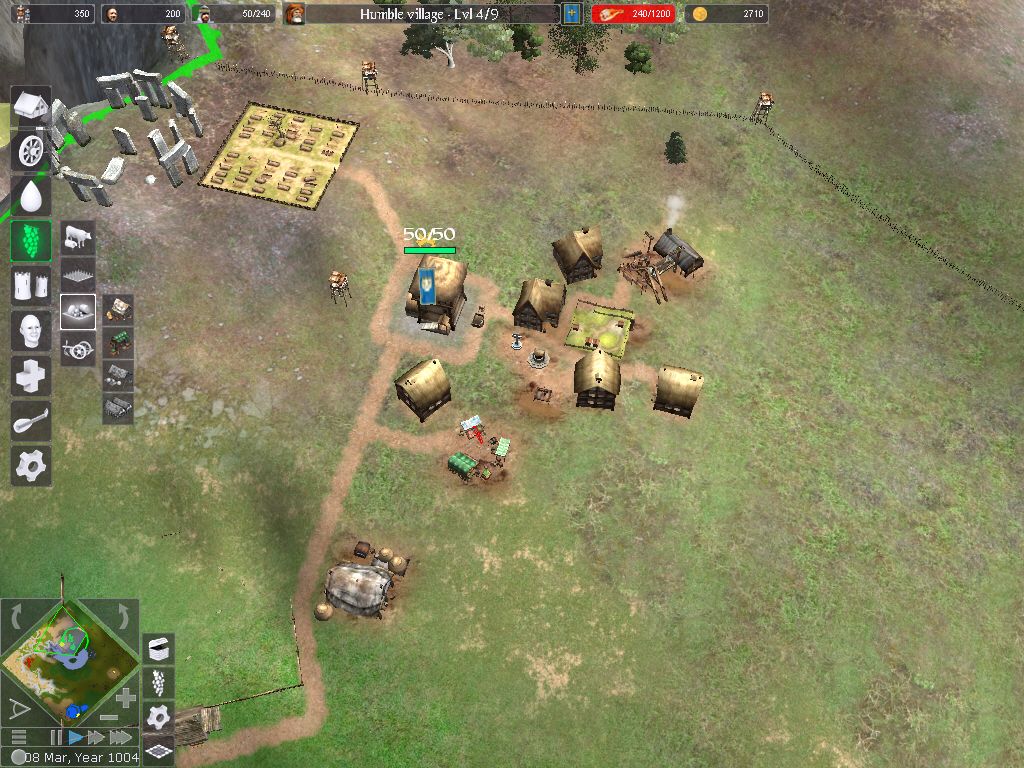
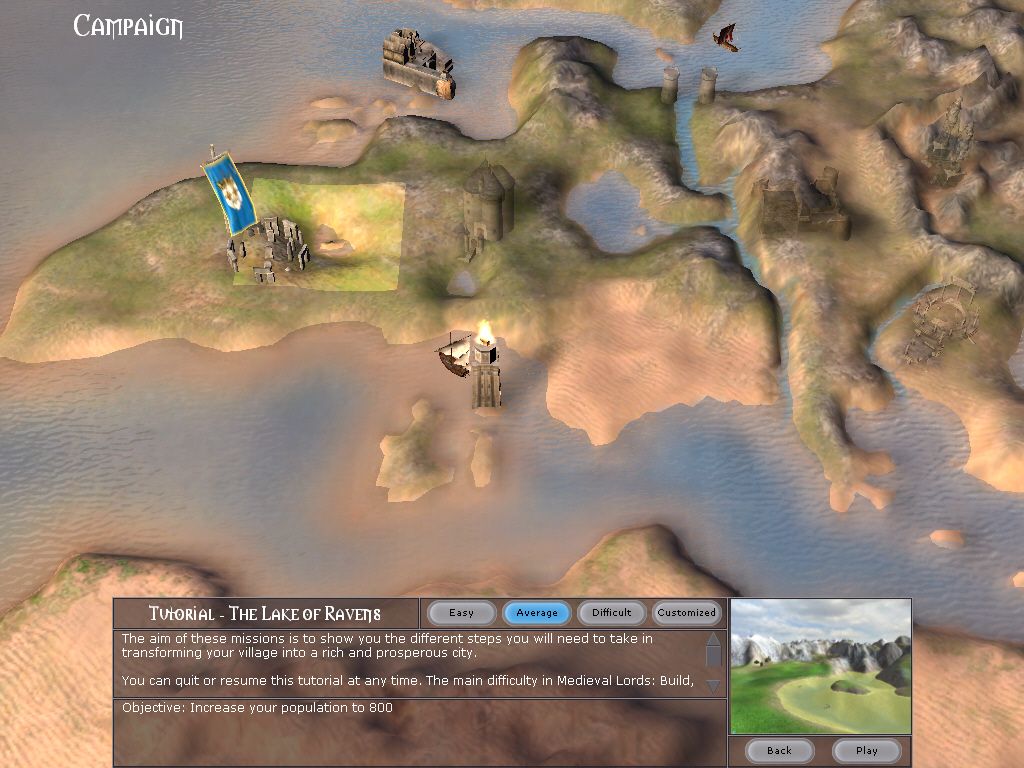
Transitioning to 3D for the first time, Medieval Lords offers a vibrant, fully rotatable camera that brings your medieval settlements to life. Textures remain faithful to the rustic aesthetic of the period, from the thatched roofs of peasant huts to the crenellations atop stone fortifications. Even at distant zoom levels, you’ll appreciate the architectural details that distinguish a bustling market square from a quiet farming hamlet.
The dynamic lighting system is particularly noteworthy, casting realistic shadows as day turns to dusk and highlighting your walls in golden hour brilliance. Environmental effects—such as mist rolling off fertile fields or smoke curling from a blacksmith’s forge—add an immersive layer that keeps you invested in the visual tapestry of your realm. Occasional frame‐rate dips may occur during large‐scale sieges, but they rarely detract from the overall spectacle.
User interface elements blend seamlessly with the graphical environment, presenting information overlays only when needed. Road networks light up to show connectivity, and colored rings denote each building’s sphere of influence. This unobtrusive design ensures that your focus remains on the unfolding cityscape rather than on cumbersome menus or pop‐ups.
Story
Unlike narrative‐driven strategy titles, Medieval Lords forgoes a rigid storyline in favor of a player‐crafted epic. Your city’s rise—and potential fall—is the story, fueled by the dynamics of population growth, resource management, and occasional enemy incursions. Each decision, from placing a granary near rich soil to tilting a chapel toward a nearby henge, contributes to the emergent narrative that unfolds across your map.
Though there is no central script, the game weaves in historical flavor through tooltips, unit descriptions, and event prompts. A sudden famine in the hills or a religious revival sparked by a neolithic monument feels like plot twists in a living chronicle. This procedural storytelling empowers you to shape your own legend, whether you wish to be remembered as a benevolent steward or a fortress‐minded warlord.
For players craving a more concrete storyline, the lack of defined characters or missions may feel sparse. However, the payoff comes in the freedom to author your own saga. Each new settlement spawns a unique set of challenges—soil fertility, water access, and neighboring bandit clans—that function as de facto chapters in your medieval chronicle.
Overall Experience
Medieval Lords: Build, Defend, Expand succeeds in breathing fresh life into a venerable city‐builder subgenre. Its blend of intuitive 3D construction, needs‐based management, and streamlined combat delivers a satisfying progression loop that rewards both meticulous planners and creative experimenters. Watching your hamlet blossom into a fortified stronghold never loses its appeal.
While purists seeking deep tactical warfare or a tightly woven narrative may find certain systems under‐developed, the game’s strengths lie in its accessibility and polish. The balance between user‐friendly mechanics—like automatic road linking—and strategic depth—through zoning tactics and defensive layouts—makes it an excellent entry point for newcomers and a nostalgic treat for veterans of the Caesar lineage.
Ultimately, Medieval Lords shines when you step back and admire the living tapestry you’ve crafted: a network of winding dirt roads, thriving neighborhoods under protective watchtowers, and the subtle glow of torches against a starlit sky. It is an engaging, informed, and visually striking city‐building experience that appeals to anyone with a penchant for medieval management and emergent storytelling.


Reviews
There are no reviews yet.