 Retro Replay Retro Replay gaming reviews, news, emulation, geek stuff and more!
Retro Replay Review
Gameplay
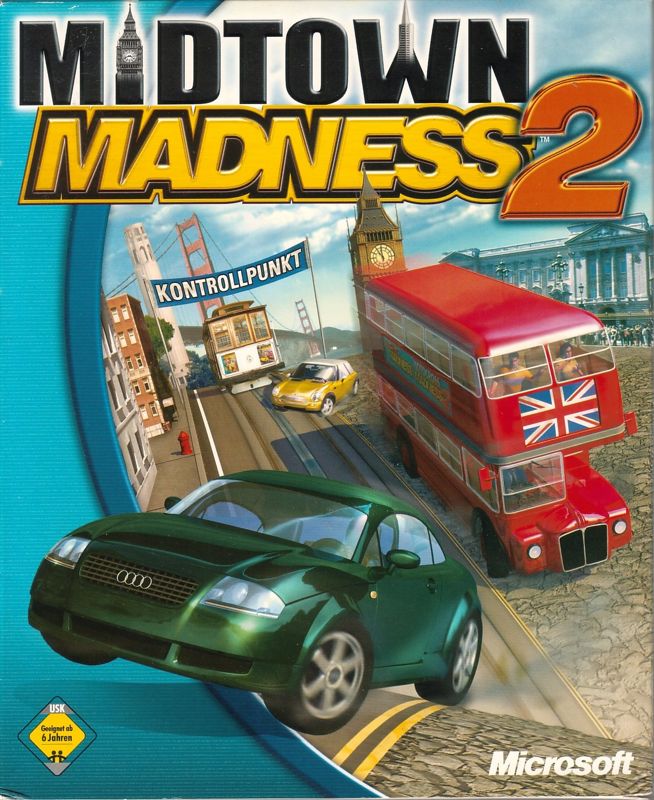
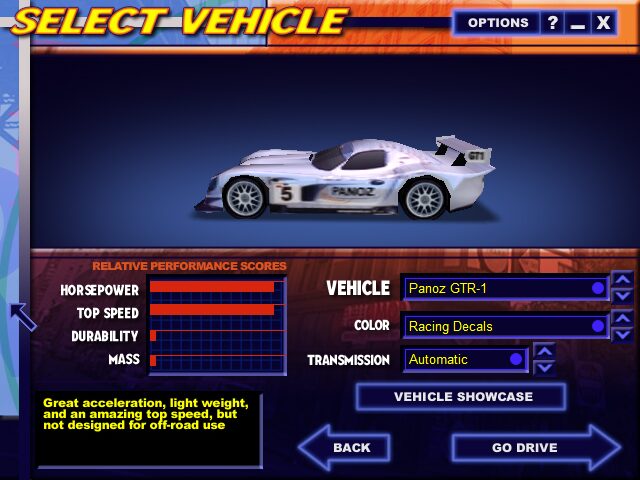
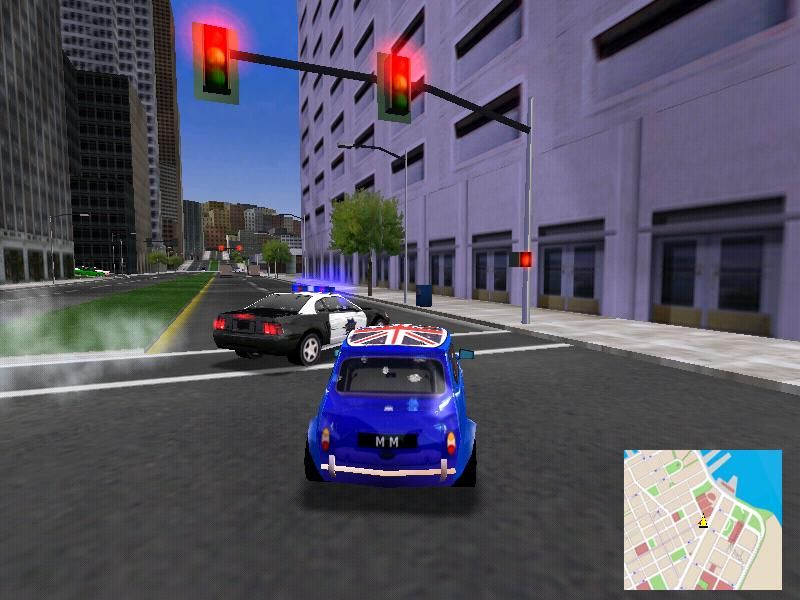
Midtown Madness 2 builds upon the arcade racing foundation of its predecessor by offering a diverse roster of vehicles, ranging from nimble Minis to the hulking Greyhound bus. Each vehicle feels distinct on the road, allowing players to experiment with different driving styles and vehicle classes. Whether you’re weaving through tight city streets in a Mini or lumbering through traffic in a pickup truck, the simplified handling model keeps the game accessible while still rewarding precision driving.
(HEY YOU!! We hope you enjoy! We try not to run ads. So basically, this is a very expensive hobby running this site. Please consider joining us for updates, forums, and more. Network w/ us to make some cash or friends while retro gaming, and you can win some free retro games for posting. Okay, carry on 👍)
The introduction of pure action modes injects a fresh burst of adrenaline into the core racing experience. Time-based checkpoints, demolition challenges, and head-to-head showdowns push players to master both speed and strategy. While the physics are intentionally forgiving, strategic use of drift and well-timed boosts can shave precious seconds off your lap time, adding a subtle layer of depth beneath the arcade surface.
One of Midtown Madness 2’s standout gameplay features is the Crash Course Career mode. Players can choose to become a stunt actor, pulling off daredevil jumps and precision drifts, or step into the shoes of a taxi driver, racing against the clock to deliver passengers across San Francisco or London. Each career path offers a different set of objectives and unlockable vehicles, providing solid replay value long after you’ve mastered the main races.
Graphics
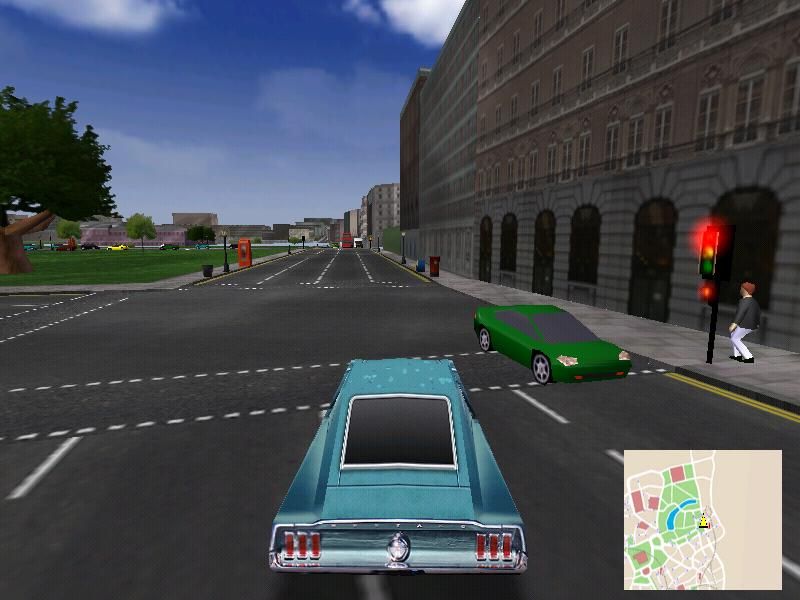
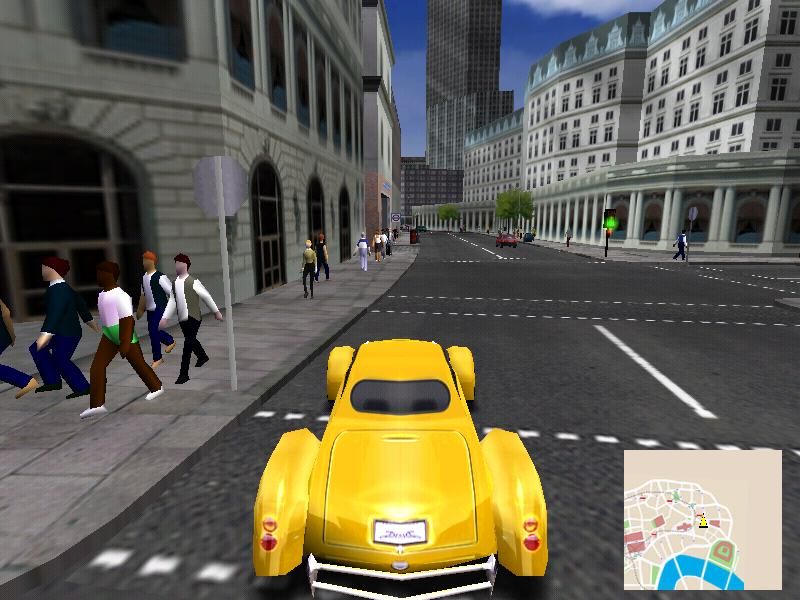
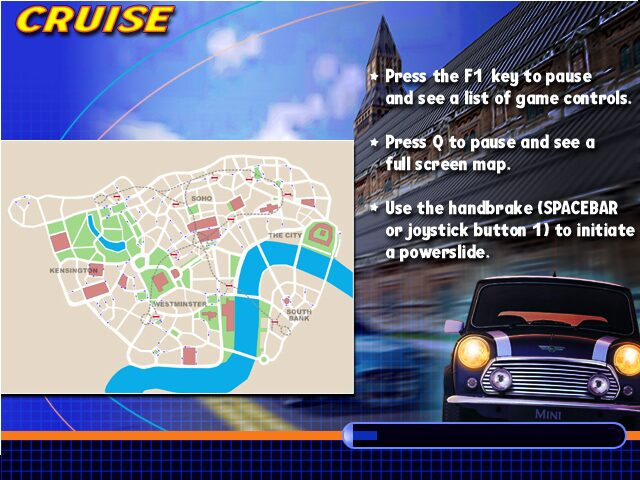
For its era, Midtown Madness 2 delivers impressively detailed cityscapes, capturing the distinct personalities of London and San Francisco. The rolling hills and iconic cable cars of San Francisco contrast nicely with the winding alleys and historic landmarks of London. Both cities are rich with environmental variety, from bustling downtown avenues to quieter residential side streets.
Vehicle models are well-crafted and easily distinguishable, each sporting accurate proportions and period-appropriate design details. Reflections on car bodies and dynamic lighting effects bring the streets to life, especially during sunset or night races. While you won’t find cutting-edge shaders by today’s standards, the visual presentation remains clean and vibrant, ensuring the game feels lively even years after release.
Environmental hazards such as oncoming buses, stray pedestrians, and randomly spawning traffic create a dynamic backdrop that keeps every race feeling unpredictable. Particles and debris fly when you collide with objects, reinforcing the sense of impact and chaos. These graphical flourishes might seem modest now, but they contributed significantly to the game’s immersive city-racing atmosphere at the time of launch.
Story
Unlike narrative-driven racing titles, Midtown Madness 2 opts for a lightweight framework centered around your role choices in Crash Course Career mode. The story unfolds more through context than cutscenes—each mission briefing frames you either as a stunt performer filming high-octane sequences or as a taxi driver navigating a city’s rush hour to satisfy impatient customers.
While there’s no overarching plot connecting your taxi gigs to your stunt assignments, this loose structure serves its purpose: it grants players the freedom to explore both career paths without heavy narrative constraints. The simplicity of the setup allows you to focus on the driving, but veteran racers seeking a dramatic storyline might find the presentation sparse.
That said, the sense of progression is palpable. Unlocking new vehicles and routes feels rewarding, and the career milestones—like successfully completing a multi-car jump or beating a tight-time taxi route—create mini-stories of triumph. The narrative may be minimal, but it offers just enough framing to make each challenge feel purposeful.
Overall Experience
Midtown Madness 2 strikes a satisfying balance between pick-up-and-play accessibility and the rush of timed, skill-based challenges. The varied roster of vehicles and the dual-city environment set the stage for countless racing scenarios, ensuring you’ll return to the game even after the initial novelty wears off. Each race is short enough to fit into a quick gaming session yet demanding enough to keep you hooked until the finish line.
The combo of arcade-style physics, dynamic traffic, and tight time limits makes every run feel like an action sequence in a blockbuster movie. While purists craving fully simulated driving dynamics may prefer other titles, those seeking pure, unfiltered fun will appreciate the game’s commitment to high-speed thrills and accessible controls.
Ultimately, Midtown Madness 2 remains a standout entry in the arcade racing genre. Its engaging career modes, distinctive city settings, and wide array of vehicles deliver an experience that feels both fresh and nostalgic. For players interested in lighthearted yet challenging racing action set against two of the world’s most recognizable urban landscapes, this title is a must-try.



Reviews
There are no reviews yet.