 Retro Replay Retro Replay gaming reviews, news, emulation, geek stuff and more!



Retro Replay Review
Gameplay
Mirror’s Edge centers its gameplay on the pure exhilaration of parkour-inspired movement, presenting a first-person perspective rarely seen in action titles. Players guide Faith Connors through a series of linear, rooftop-to-rooftop courses where momentum is the key to overcoming obstacles. Context-sensitive controls allow for seamless transitions between running, wall‐running, sliding beneath barriers, vaulting over railings, and climbing structures, creating an almost dance-like flow as players string moves together in rapid succession.
(HEY YOU!! We hope you enjoy! We try not to run ads. So basically, this is a very expensive hobby running this site. Please consider joining us for updates, forums, and more. Network w/ us to make some cash or friends while retro gaming, and you can win some free retro games for posting. Okay, carry on 👍)
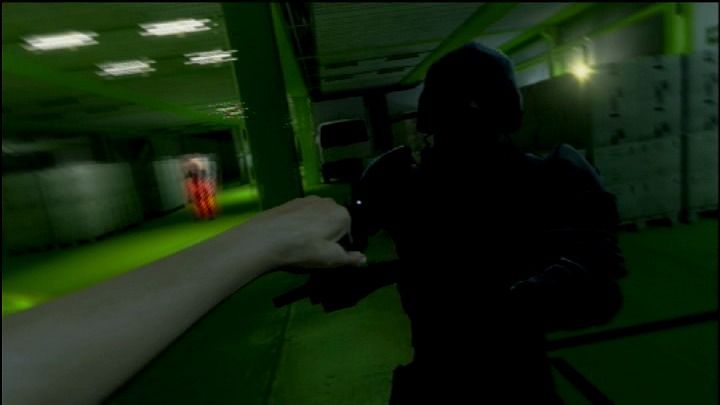
The game minimizes on-screen clutter by employing a nearly HUD-less interface, instead relying on visual cues to guide the player. “Runner Vision” highlights critical path elements—such as pipes, ledges, and zip-lines—in bright orange tones, helping to maintain speed and focus during high-stakes chases. When the action grows too intense, a bullet‐time “Reaction Time” mechanic can be activated, slowing the world down just enough to thread a precise jump or slip through a narrow gap without breaking stride.
Combat in Mirror’s Edge is understated yet effective, emphasizing Faith’s agility over brute force. While she can disarm pursuers and use their weapons temporarily, direct melee strikes are swift but limited—encouraging players to continue moving rather than turning each encounter into a firefight. Between adrenaline-fueled escapes, hidden messenger bags and time trial segments inject replay value, challenging speedrunners to beat ghostly “red runners” and discover every secret cache scattered throughout the ten chapters.
Graphics
Visually, Mirror’s Edge presents a stark, minimalist cityscape bathed in a cold, clinical whiteness punctuated by bold splashes of orange and crimson. This high‐contrast palette not only creates a striking aesthetic but also serves practical gameplay functions, as highlighted surfaces stand out clearly against the muted background. Clean architectural lines and austere urban design reinforce the oppressive, totalitarian vibe of the city, while also keeping sightlines uncluttered for precise parkour navigation.
The game’s lighting and environmental effects amplify immersion, with crisp shadows and dynamic reflections rendering glass‐and‐steel skyscrapers in vivid detail. Subtle visual flourishes—such as the desaturation of colors when Faith sustains damage—communicate her health status without resorting to intrusive on‐screen meters. Furthermore, the bobbing, slightly swaying camera movements mimic the rhythms of running, enhancing the sensation of speed and height.
Indoor areas contrast sharply with the open rooftops, introducing varied textures and tighter corridors that demand quick thinking and route adjustment. While some textures may feel dated by modern standards, the overall art direction remains strong, with every building and corridor designed to guide the player’s eye toward the next platform or ledge. The result is a cohesive visual package that supports both the narrative and the core mechanics of fluid movement.
Story
Set in a dystopian metropolis where surveillance is omnipresent and civil liberties are all but extinct, Mirror’s Edge weaves a concise yet engaging tale through animated interludes and in‐game dialogue. Players inhabit Faith Connors, a skilled “runner” tasked with delivering covert messages in a world where digital communications are strictly monitored. Her upbringing on the streets, following her mother’s death in the November Riots and her father’s subsequent abandonment, has hardened her spirit and honed her abilities.
Faith’s mentor, a mysterious ex‐runner known only as Mercury, discovered her potential after catching her attempting a daring rooftop break‐in. Under his tutelage, she mastered advanced techniques that now serve her every escape and infiltration. The game’s plot hinges on her desperate mission to exonerate her sister, Kate, who has been framed by the oppressive government. This personal quest adds emotional weight to the sleek action sequences, grounding Faith’s leaps and slides in genuine urgency.
Although the narrative unfolds over a relatively brief span—divided into ten chapters—the story remains focused and free of filler. Animated cutscenes bridge major missions, offering crisp, stylized visuals and efficient storytelling. Side elements like hidden messenger bags and optional time trials deepen the world-building, hinting at a broader resistance network without derailing the main narrative thrust.
Overall Experience
Mirror’s Edge delivers a refreshingly original action‐platformer experience, distinguished by its emphasis on speed, precision, and freedom of movement. The marriage of sleek visuals and responsive controls creates an immediate sense of immersion, drawing players into Faith’s high‐wire world from the very first leap. While the core campaign can be completed in a relatively short timeframe, the incentive to perfect routes and uncover collectibles ensures lasting appeal for completionists and speedrunners alike.
That said, the learning curve can be steep. Newcomers may find the context-sensitive commands less intuitive at first, and frequent falls or misjudged jumps can lead to occasional frustration. However, the forgiving checkpoint system and the thoughtful design of each course encourage repeated attempts, turning failure into motivation rather than deterrence.
In summary, Mirror’s Edge remains a standout title for its daring design choices and unorthodox approach to first‐person gameplay. By prioritizing fluid movement and minimalist presentation, it offers a sleek, focused adventure that challenges players to see the urban environment not as a static backdrop but as a dynamic playground. For those seeking an adrenaline‐charged journey through a meticulously crafted dystopia, Faith Connors’ skyline exploits are well worth the trip.


Reviews
There are no reviews yet.