 Retro Replay Retro Replay gaming reviews, news, emulation, geek stuff and more!

Retro Replay Review
Gameplay
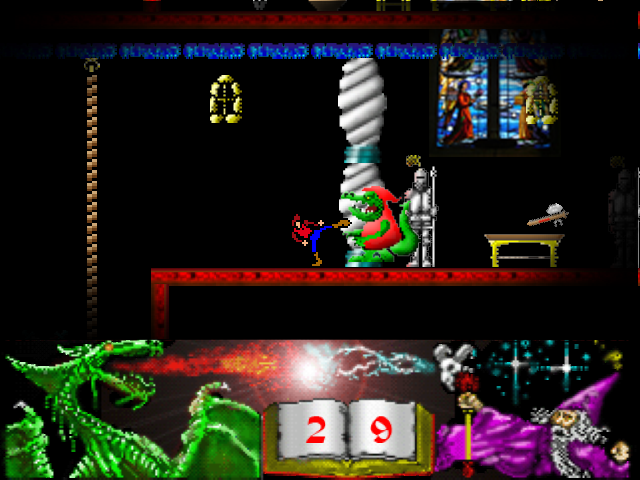
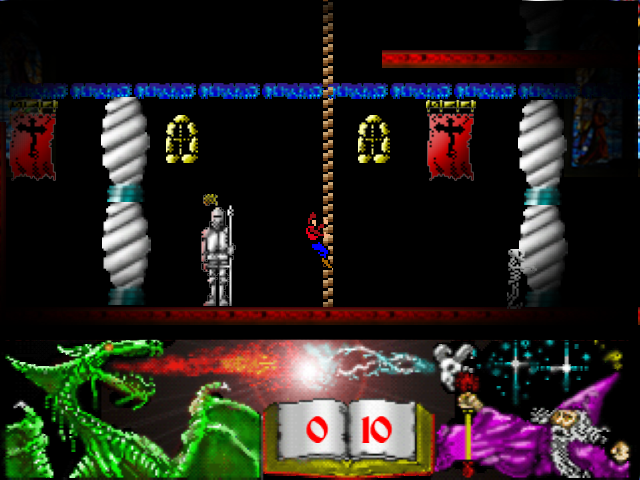
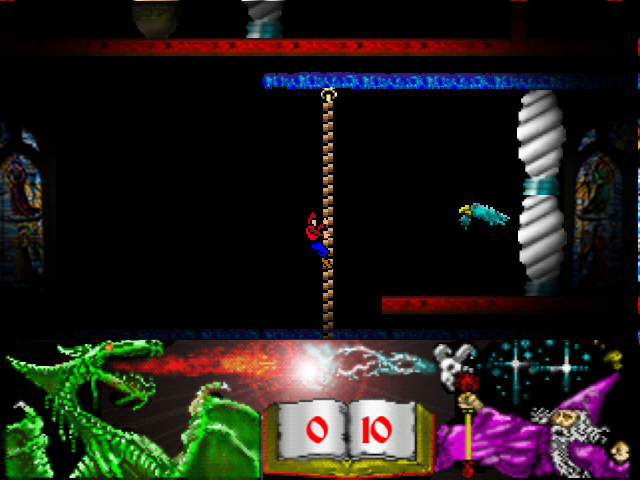
Nonamed: The Remake stays remarkably true to its 1986 roots, offering tight, responsive platforming that challenges players at every turn. The controls are straightforward—move left and right, jump, crouch, and unleash high kicks to fend off enemies—but the precision required to navigate the castle’s traps ensures that even veteran platformers will need to hone their reflexes. The addition of rope climbing and lift-riding mechanics injects verticality into the level designs, forcing players to think in three dimensions as they ascend to hidden chambers or descend into perilous pitfalls.
(HEY YOU!! We hope you enjoy! We try not to run ads. So basically, this is a very expensive hobby running this site. Please consider joining us for updates, forums, and more. Network w/ us to make some cash or friends while retro gaming, and you can win some free retro games for posting. Okay, carry on 👍)
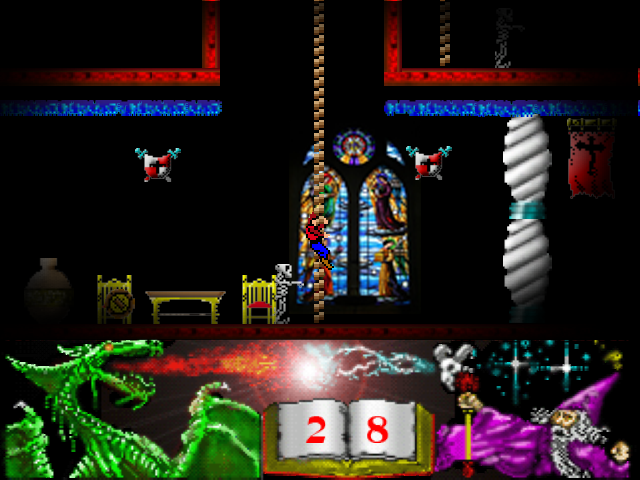
The castle itself is a sprawling labyrinth of interconnected rooms, each filled with a mix of walking skeletons, large green ogres, and other supernatural foes. Encounter design balances hazard and pacing: some corridors require patience to avoid swinging axes and diving birds of prey, while others demand quick reactions to dispatch foes before they overwhelm you. Because every enemy pattern is learnable, progression feels earned—memorizing obstacle sequences becomes a satisfying part of the experience rather than a tedious chore.
While Nonamed’s core gameplay loops remain faithful to the original, the remake introduces subtle quality-of-life improvements. You’ll notice improved collision detection that removes frustrating “edge cases,” and a checkpoint system strategically placed to curb the sting of death in later, more punishing levels. These modern touches preserve the old-school thrill without drowning players in unnecessary difficulty spikes.
Graphics
One of the most striking aspects of Nonamed: The Remake is its fully overhauled visual presentation. The pixel art has been redrawn with a richer color palette, giving each chamber a distinct atmosphere—from torchlit stone halls to eerie, shadow-cloaked corridors. Fine details in the environment such as moss-covered bricks and flickering wall sconces lend depth to a world that originally felt flat and monochromatic.
Character animations have also seen a significant boost. The medieval soldier’s running, jumping, and kicking motions are fluid, and enemy sprites boast more frames, making their movements feel weighty and menacing. The lifts glide smoothly, ropes sway realistically when the hero climbs, and palette swaps on creatures like skeletons and ogres enhance variety without straying from the game’s dark fantasy theme.
Beyond aesthetics, the remake optimizes performance for modern hardware. Load times are minimal, even when transitioning between multiple rooms, and screen scrolling is buttery-smooth. Whether you’re playing on a high-resolution monitor or a tablet, the game scales beautifully, ensuring that every pixel-perfect jump and trap fit is clearly visible and responsive.
Story
While platformers of the mid-’80s rarely prioritized narrative, Nonamed: The Remake weaves a simple yet compelling tale around its central challenge. You are a medieval soldier, locked in a king’s castle as the ultimate test of courage. Success means knighthood; failure results in an eternal rest among the castle’s restless spirits. This premise, though straightforward, provides a strong motivational hook—each trap you evade and enemy you defeat brings you closer to earning your spurs.
The labyrinthine castle itself becomes a character in the story. Subtle environmental cues—tattered banners, blood-stained walls, and the distant echo of dripping water—imply a long history of failed aspirants. In places, you can almost sense the king’s watchful eye, waiting to judge your valor. Although there are no voiced cutscenes or dialogue trees, the atmosphere and level design carry the narrative forward in a purely gameplay-driven way.
For those who relish lore, the remake includes a brief introductory screen that sets the stakes before plunging you into the action. Post-game credits even acknowledge the original Spanish developers from 1986, paying homage to the game’s roots. This respectful nod to the past not only enriches the player’s appreciation but also underscores the community-driven passion behind the project.
Overall Experience
Nonamed: The Remake delivers a nostalgic yet fresh take on classic platforming. Its blend of faithful gameplay, updated visuals, and streamlined performance make it a standout example of how to modernize a vintage title without sacrificing its original charm. Even if you’ve never set foot in the castle before, the game’s difficulty curve and thoughtfully placed checkpoints strike a satisfying balance between challenge and fairness.
Despite being freeware, the remake feels like a polished commercial release. Sound effects have been subtly enhanced to match the new graphics, from the clang of your boot against an ogre’s skull to the distant creak of a moving lift. The soundtrack, while minimal, complements the dark medieval ambiance and never overstays its welcome.
For fans of retro platformers or anyone looking for a bite-sized yet substantial gaming experience, Nonamed: The Remake is an excellent choice. It’s a testament to the enduring appeal of well-crafted level design and tight mechanics—qualities that transcend decades. Best of all, since it’s available as freeware, there’s very little standing between you and a challenging, entertaining castle escape that holds up impressively to modern standards.


Reviews
There are no reviews yet.