 Retro Replay Retro Replay gaming reviews, news, emulation, geek stuff and more!
Retro Replay Review
Gameplay
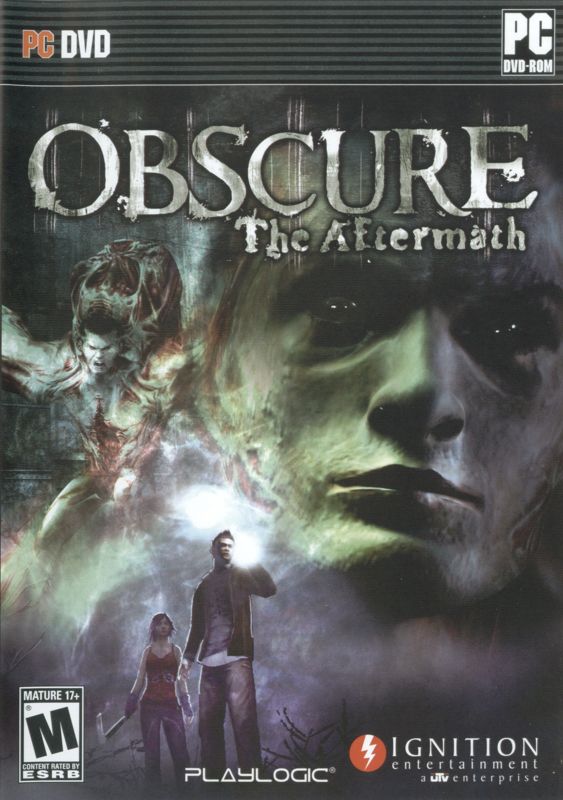
Obscure: The Aftermath picks up the tense, cooperative puzzle-solving framework of its predecessor and expands on it with six playable characters, each bringing a unique skill set to the table. Most of the time you’ll control two characters at once, seamlessly switching between them to push crates, hack security panels, or squeeze through tight ventilation shafts. This tag-team dynamic adds depth to exploration and forces you to think about which pair can best handle the next obstacle.
(HEY YOU!! We hope you enjoy! We try not to run ads. So basically, this is a very expensive hobby running this site. Please consider joining us for updates, forums, and more. Network w/ us to make some cash or friends while retro gaming, and you can win some free retro games for posting. Okay, carry on 👍)
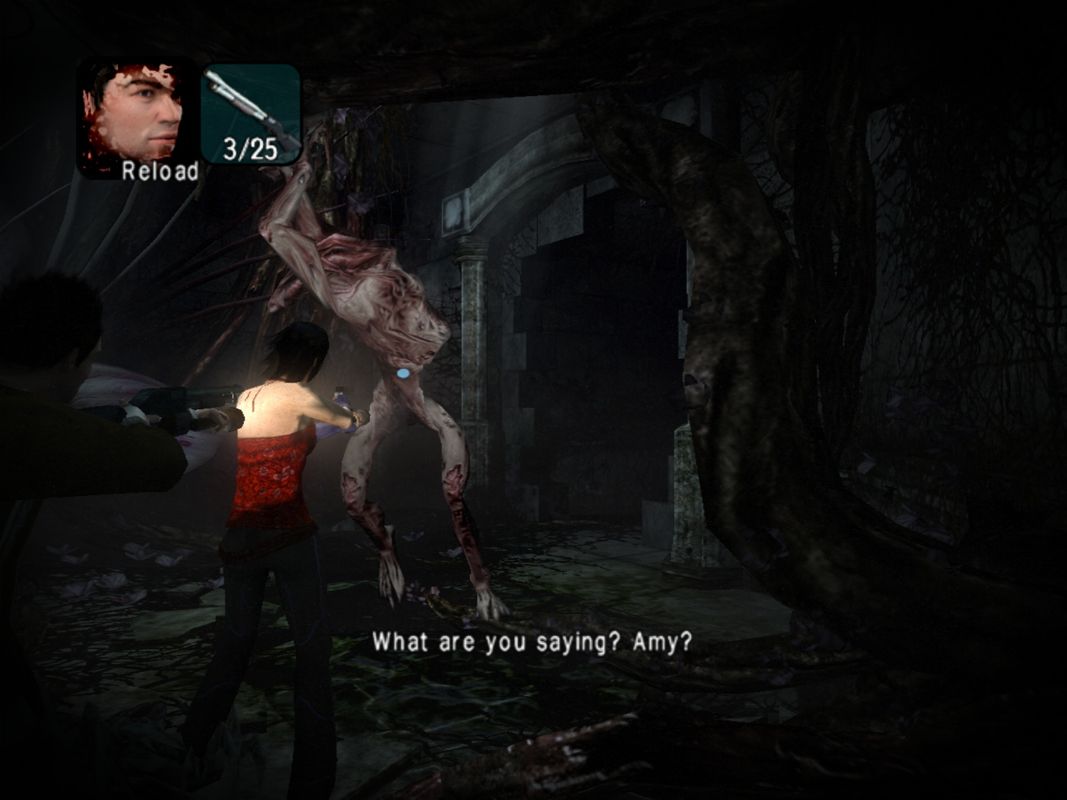
Combat remains a mix of melee and ranged encounters, with a surprisingly satisfying arsenal for a survival horror title. You’ll swing baseball bats and attach nails to boards, swap to pistols when the situation gets dire, or improvise by throwing chairs and tables at your pursuers. Early acquisition of the syringe sample mechanic adds another layer of strategy; harvesting samples from fallen creatures fills the syringe, granting a temporary boost that can mean the difference between life and death in a tight spot.
The game also supports drop-in/drop-out co-op, allowing a friend to join instantly and assume control of your partner character. This feature encourages spontaneous teamwork and heightens the tension as you coordinate on puzzles and fight off mutated monstrosities. Although the camera toggles between fixed cinematic angles and a loose follow-cam, you retain limited manual control to avoid blind spots—maintaining the classic, claustrophobic vibe of an early 2000s horror romp while offering enough visibility to plan your next move.
Graphics
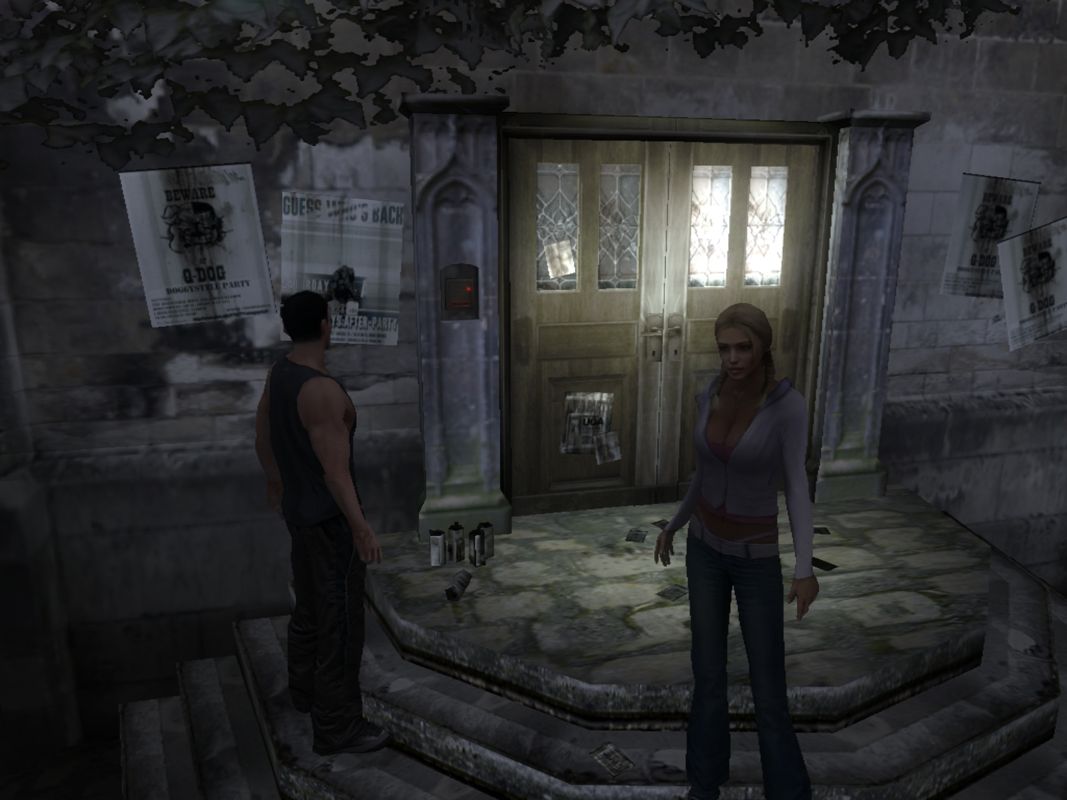
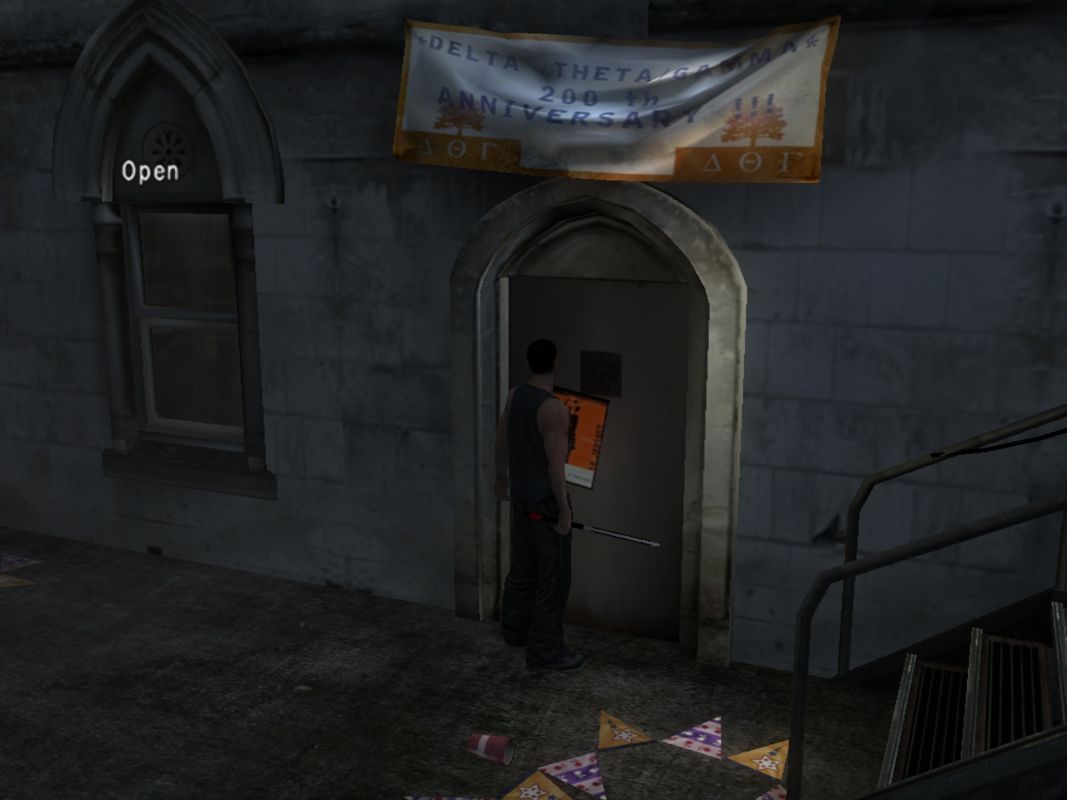
Visually, The Aftermath delivers moody Gothic environments and dank university hallways dripping with foreboding atmosphere. Lighting is handled skillfully—pools of shadow and shafts of flickering bulb light obscure more than they reveal, ensuring that every corner could hide a lurking threat. Particle effects from the black flowers and their ominous spores give the world a toxic, otherworldly sheen that underscores just how invasive and dangerous this drug has become.
Character models look crisp, with distinct silhouettes that help you identify Kenny’s brawn or Mei’s slender form at a glance. Animations for combat and exploration are fluid, though occasionally stiff during quick direction changes. Enemy creatures range from shambling, mutated students to more grotesque, flower-infested monstrosities, each designed to elicit a jolt of horror when they lurch into view.
Performance is generally stable on modern hardware, with rare frame drops in the most particle-heavy sequences. Texture detail on walls and corridors strikes a good balance between realistic grit and stylized horror, while the bloom effects around the black flowers cast an eerie glow that makes every inhalation of spores feel dangerously enticing. Overall, the graphics reinforce the game’s nerve-shredding tone without sacrificing clarity during tense encounters.
Story
Picking up two years after the harrowing events at Leafmore High, The Aftermath thrusts returning survivors—and newcomers—into a new nightmare at Fallcreek University. The team believed that killing Herbert Friedman had ended the biological experiment, but the insidious black flower had already spread its seeds far and wide. What starts as a cult-like fad drug on campus spirals into a waking hallucination that can only end in bloodshed.
As the toxins in the flowers induce strange, vivid dreams, reality and nightmare begin to bleed together. Only those who lived through the first outbreak can recognize the signs, and each character carries wounds and secrets that unravel as you progress. This layered approach to character development keeps the narrative from feeling like a simple rehash; it’s a slow-burn mystery about guilt, survival, and the cost of curiosity in the face of unknown biological horrors.
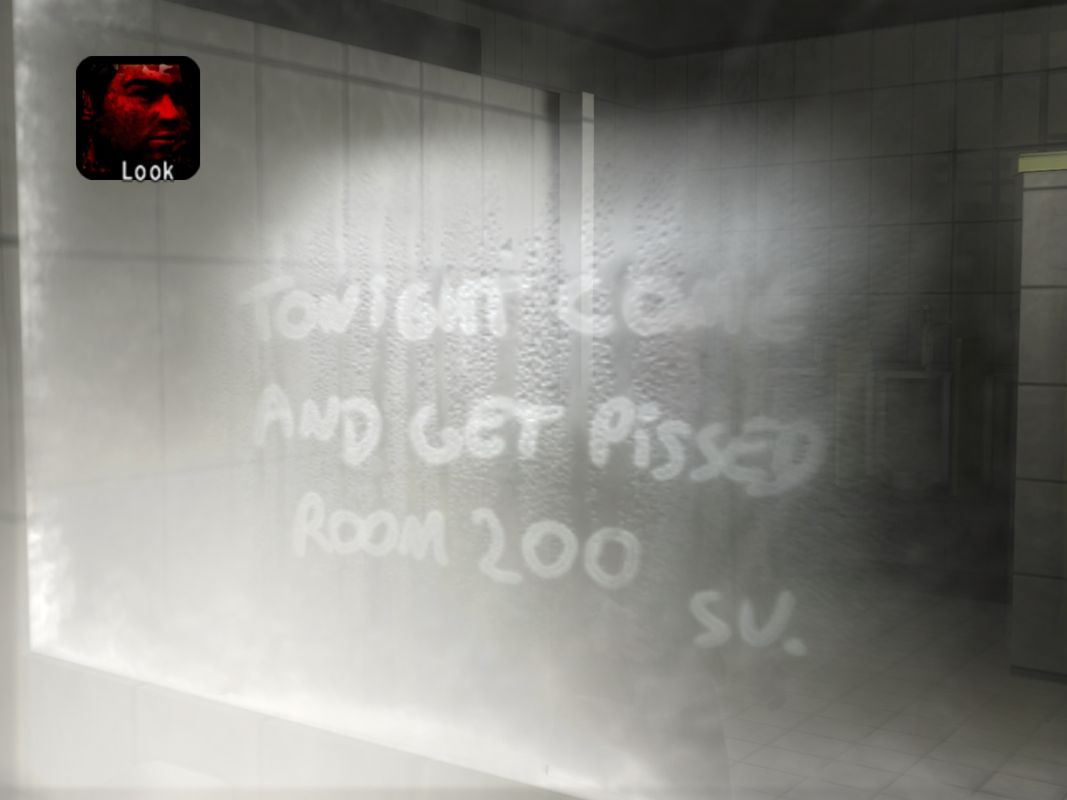
Dialogue is punctuated by moments of genuine dread, and subtle environmental storytelling reveals the consequences of students abusing the flower’s narcotic properties. Scrawled messages on dorm walls, abandoned syringes, and half-planted flower beds all hint at a campus teetering between academic normalcy and nightmarish chaos. The Aftermath’s plot doesn’t reinvent the wheel, but its tight pacing and personal stakes make it a compelling continuation of the Obscure saga.
Overall Experience
Obscure: The Aftermath excels at blending cooperative puzzle-solving, improvisational combat, and a haunting narrative to deliver a well-rounded survival horror experience. The tag-team character mechanics remain fresh, and the addition of new weapons and the syringe sample system keeps encounters unpredictable. Whether you tackle it solo—alternating characters at a safe room—or invite a friend for drop-in/drop-out co-op, the tension never lets up.
While the fixed camera angles occasionally hamper visibility, they also contribute to a classic, cinematic feel that fans of early 2000s horror games will appreciate. The graphics and sound design work hand in hand to create an unsettling atmosphere, and the story’s exploration of addiction, hallucination, and buried trauma gives the violence an emotional weight often missing in the genre.
For prospective buyers, The Aftermath is a solid choice if you’re craving a cooperative horror-puzzle hybrid with a strong narrative through-line. It may not revolutionize survival horror, but its blend of character-driven storytelling, inventive level design, and pulse-pounding encounters make it a memorable journey back into the Obscure universe. Just be prepared for nightmares—you won’t be sleeping well after this campus visit.



Reviews
There are no reviews yet.