 Retro Replay Retro Replay gaming reviews, news, emulation, geek stuff and more!
Retro Replay Review
Gameplay
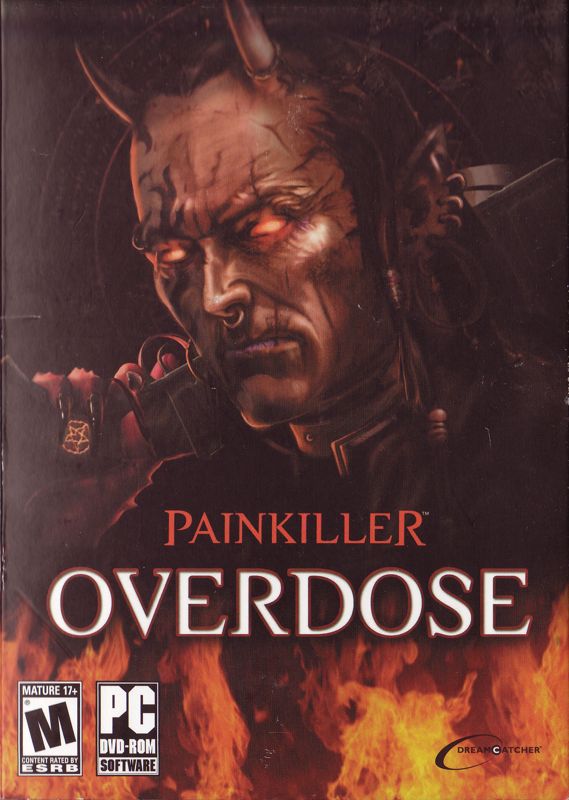
Painkiller: Overdose delivers a relentless run-and-gun experience that thrusts you into the boots of Belial, the angel/demon cross hellbent on revenge. From the very first moments, the pace is merciless: you’ll dart across cavernous arenas, dodge swarms of mythological foes, and unleash a brutal arsenal of six distinct weapons. Each weapon offers both primary and secondary fire modes, encouraging experimentation as you mix and match to find the most effective way to rip through legions of enemies.
(HEY YOU!! We hope you enjoy! We try not to run ads. So basically, this is a very expensive hobby running this site. Please consider joining us for updates, forums, and more. Network w/ us to make some cash or friends while retro gaming, and you can win some free retro games for posting. Okay, carry on 👍)
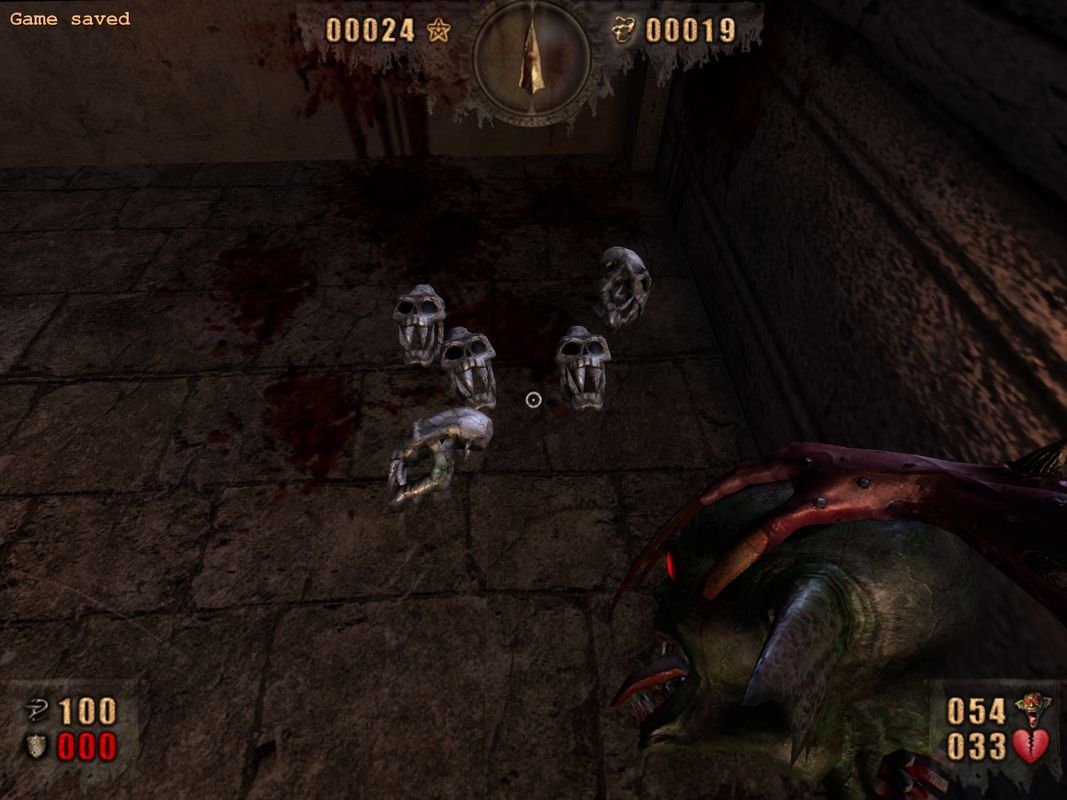
The hallmark of the series, the Black Tarot cards, makes a triumphant return in Overdose. Scattered throughout each level, these cards issue unique challenges—such as defeating a set number of enemies with a specific weapon or surviving waves in confined spaces. Succeeding rewards you with power-ups that can dramatically alter the course of a battle. This risk-and-reward system adds a layer of strategic depth, as you’ll often weigh the danger of completing a tarot challenge against the potential benefit of the bonus.
Another standout feature is the Demon Transform mechanic, inherited from the original Painkiller. As you vanquish foes, you collect their souls to charge a devastating smart-bomb effect. Unleashing this demonic onslaught not only clears the screen of lesser enemies but also turns the tide in boss encounters. Timing your transformation is crucial, and learning to gauge when to save or expend your charges becomes a compelling aspect of the combat loop.
With 40 enemy types ranging from skeletal gladiators to shadowy ninjas, the gameplay stays fresh by constantly introducing new threats and attack patterns. Boss battles punctuate the action at regular intervals, each demanding you adapt and exploit the environment. Whether you’re facing a towering purgatorial colossus or a pack of frenzied mummies, Painkiller: Overdose thrives on its no-holds-barred approach to first-person shooting.
Graphics
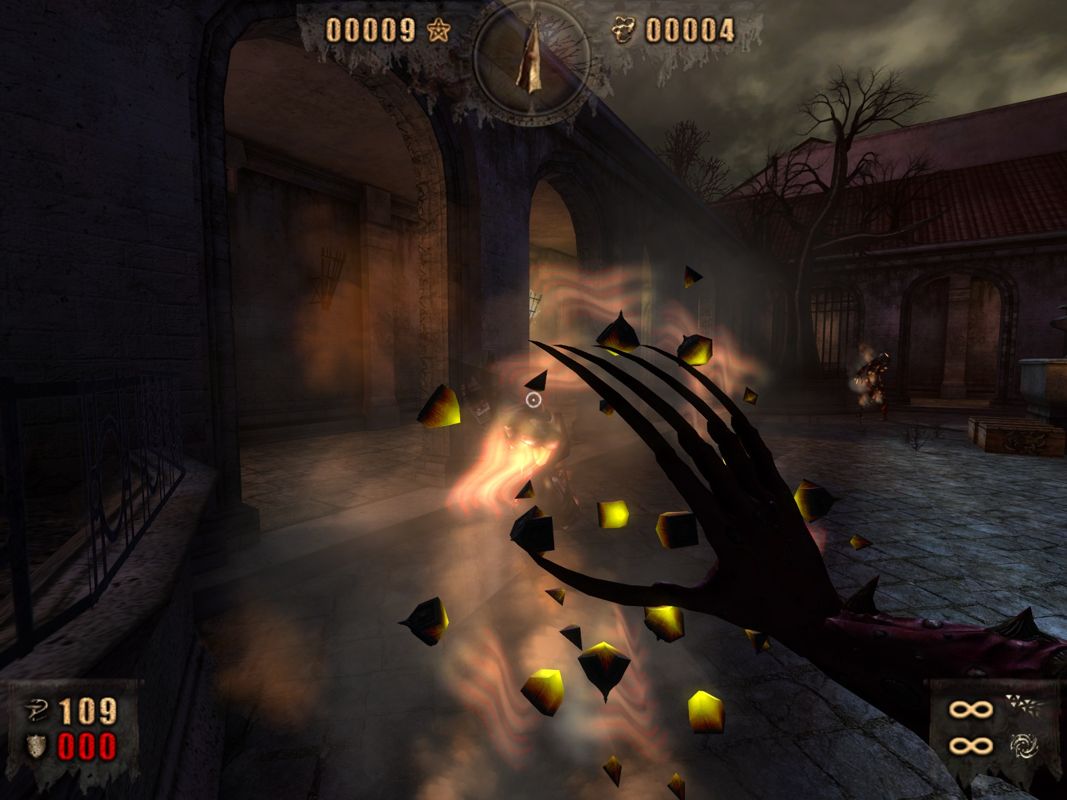
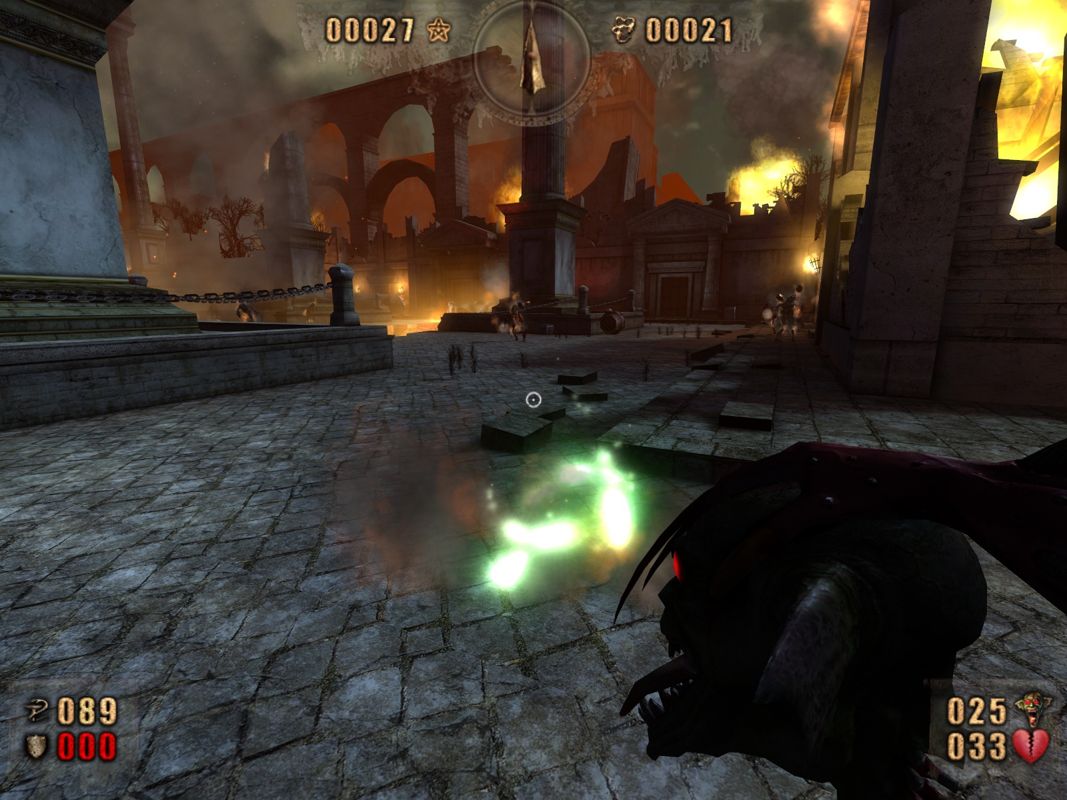
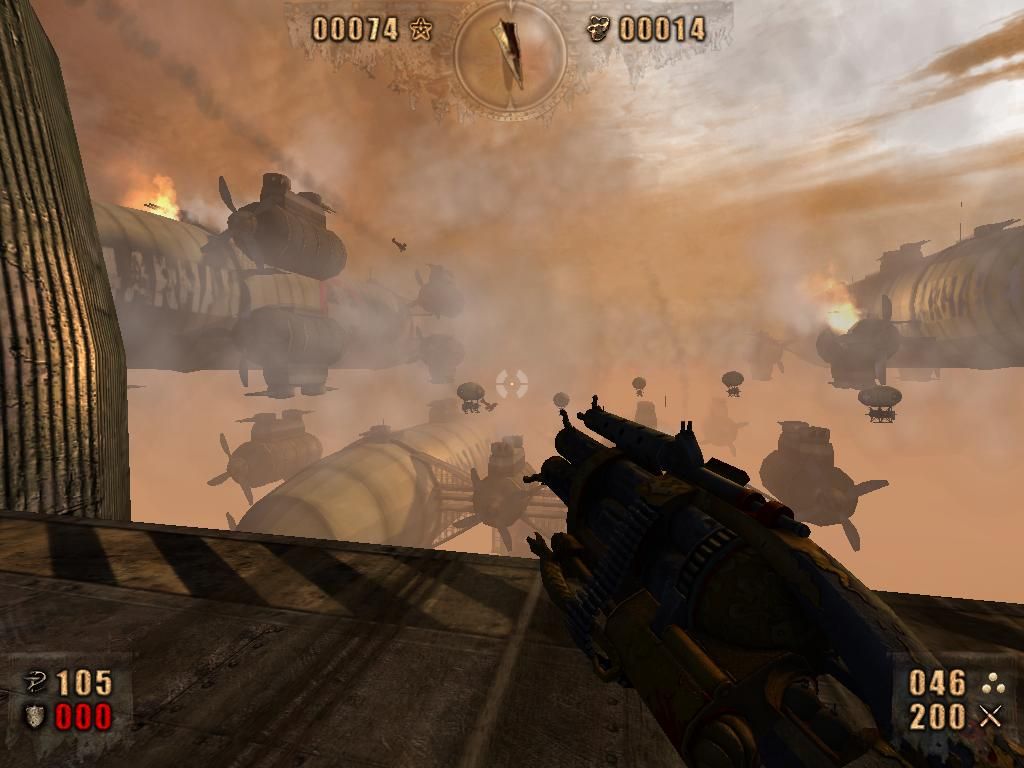
Visually, Painkiller: Overdose leans into a gothic horror aesthetic that transforms mythological icons into nightmarish adversaries. The levels are drenched in moody lighting and ominous color palettes, creating the perfect backdrop for demon-slaying carnage. Textures are detailed enough to convey the grim atmosphere, from cracked stone walls to pools of ethereal flame.
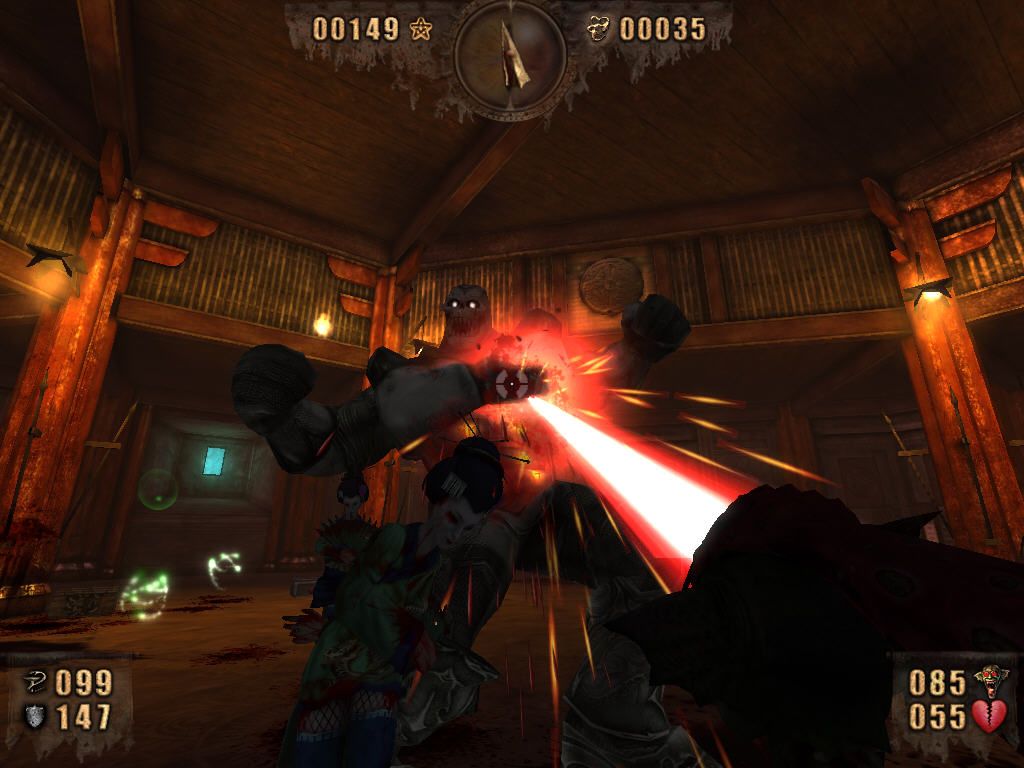
Character models capture a blend of realism and stylization: gladiators bear rusted armor stained with blood, while spectral mummies ooze with otherworldly energy. Although the engine may not match the sheen of newer shooters, clever art direction ensures that each environment—be it a decaying temple or a fiery chasm—feels distinctive and immersive. Subtle touches, like flickering torches and dripping blood effects, heighten the tension throughout your journey.
Weapon animations feel weighty and satisfying, with recoil, muzzle flashes, and debris particles that emphasize their destructive power. Switching between rifles, shotguns, and more exotic implements is seamless, and each armament exhibits unique visual cues that reinforce its role in combat. The combined firing modes even feature specialized effects—such as charged projectiles or explosive area-of-effect blasts—that add variety to your onslaught.
Despite its roots as a mod, Overdose’s visual presentation stands tall on its own. The level design carefully balances open arenas for large-scale fights with narrow corridors that amplify suspense. Occasional performance hiccups on lower-end hardware are rare and do little to detract from the overall spectacle of demon-hunting in purgatory.
Story
Painkiller: Overdose thrusts you into the tormented world of Belial, the angel/demon hybrid framed by Lucifer’s minions and imprisoned in one of Hell’s many oubliettes. Upon breaking free, Belial’s sole objective is retribution against those who betrayed him. This personal vendetta unfolds across purgatory, the shadowy realm between Heaven and Hell, where the boundaries of reality blur.
While the narrative is straightforward, it’s delivered with enough context to keep you invested. Sparse cutscenes and cryptic journals reveal the backstory of Belial’s fall from grace and his uneasy duality. The writing leans into dark humor and biblical lore, providing memorable glimpses of Lucifer’s machinations and the tortured souls trapped in purgatory’s web.
The real strength of the story lies in its environmental storytelling. Each level is packed with symbolic imagery—broken statues of angels, blood-soaked altars, and demonic writs clawed into stone—that hints at the larger conflict. Boss arenas often tie directly into Belial’s past, forcing you to confront nightmarish reflections of your own sin and vengeance.
Though Painkiller: Overdose doesn’t aim for Shakespearean depth, it delivers a compelling framework that justifies its nonstop bloodshed. By the time you face off against Lucifer’s lieutenants, you’ll feel a genuine drive to see Belial’s revenge through to its final, cathartic conclusion.
Overall Experience
Painkiller: Overdose is a love letter to fans of old-school shooters, offering unrelenting action, inventive level design, and a demon-filled playground that never lets you catch your breath. Its fast-paced combat and satisfying weapon mechanics make each skirmish feel like a visceral ballet of gore and firepower. Whether you’re a veteran of the series or a newcomer seeking pure, unfiltered FPS thrills, Overdose delivers in spades.
The balance between risk and reward—embodied by the Black Tarot challenges and the Demon Transform—adds a layer of strategy that elevates the experience above mindless slaughter. You’ll find yourself returning to levels to chase higher tarot tiers or to perfect your run, extending the game’s replayability significantly.
Graphically, the game’s stylized horror aesthetic remains its greatest asset. While it won’t compete with today’s cutting-edge engines, the atmospheric environments and monster designs are both memorable and haunting. Combine that with a pulsing soundtrack and bone-rattling sound effects, and you have an audio-visual package that complements the relentless gameplay.
In the crowded field of first-person shooters, Painkiller: Overdose stands out by embracing its demons—literally and figuratively. It forgoes narrative pretension in favor of non-stop, heart-pounding action, and succeeds by delivering on every promise. If you crave a frenetic, gore-soaked challenge in a richly imagined purgatorial landscape, Belial’s rampage is one you won’t want to miss.



Reviews
There are no reviews yet.