 Retro Replay Retro Replay gaming reviews, news, emulation, geek stuff and more!
Retro Replay Review
Gameplay
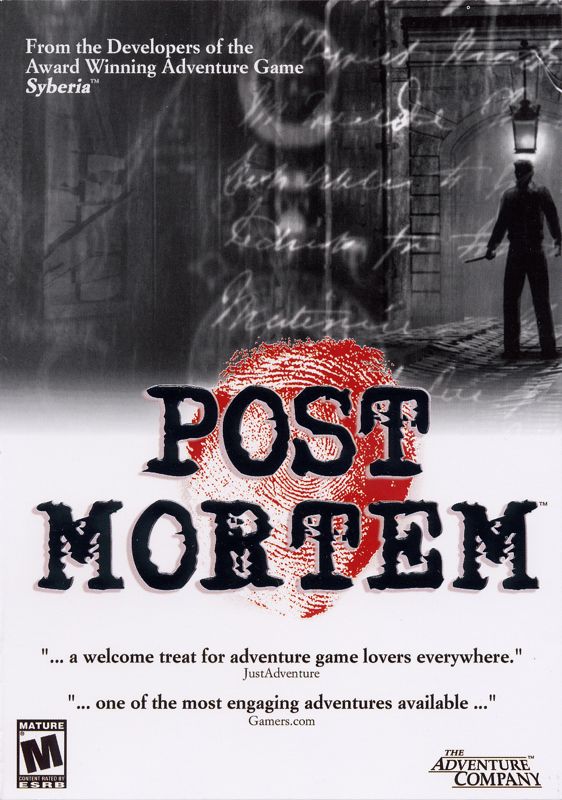
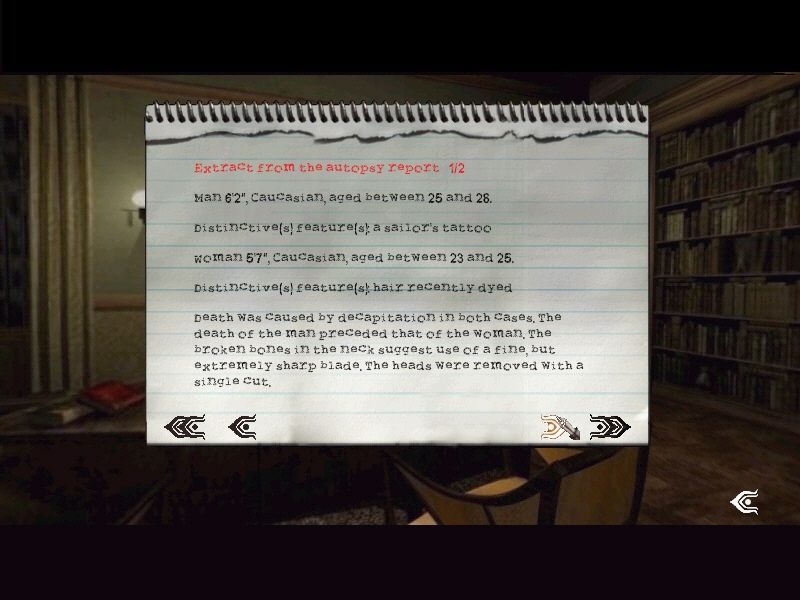
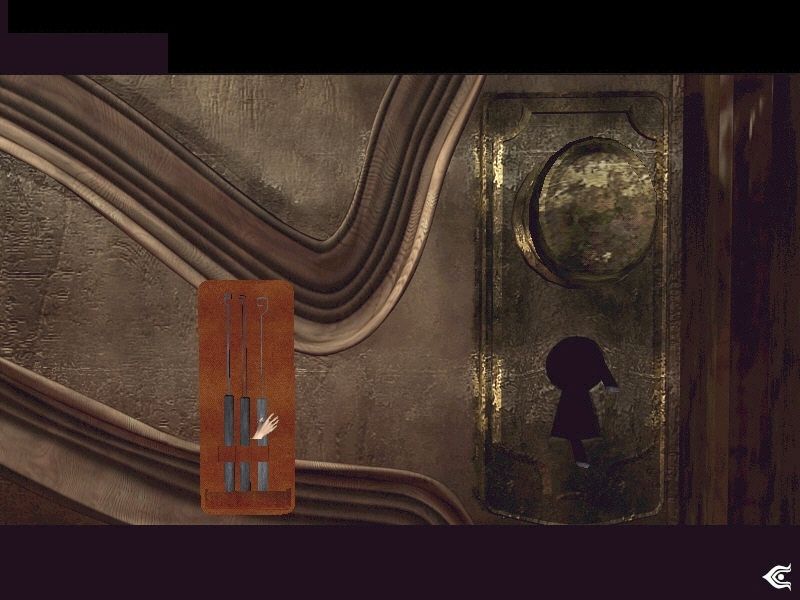
Post Mortem delivers a classic investigative experience by placing players in the shoes of MacPherson, a retired private detective navigating the shadowy alleys and opulent drawing rooms of 1920s Europe. The core loop revolves around combing through crime scenes, collecting evidence, and piecing together subtle clues. Puzzle mechanics lean heavily on logical deduction rather than reflexes, making this title particularly appealing to those who appreciate cerebral challenges.
(HEY YOU!! We hope you enjoy! We try not to run ads. So basically, this is a very expensive hobby running this site. Please consider joining us for updates, forums, and more. Network w/ us to make some cash or friends while retro gaming, and you can win some free retro games for posting. Okay, carry on 👍)
Interaction with non-playable characters feels both natural and consequential. Conversations unfold through branching dialogue trees, and your choices can open—or shut—key narrative pathways that lead closer to the murderer’s identity. While much of the game is presented in a first-person perspective, Post Mortem employs cinematic cutscenes that transition to a third-person camera, adding dramatic flair when stakes run high.
Pacing is measured, giving players time to savor the atmospheric detail and to chase down every lead. Though some may find the investigative pace slower than modern action-oriented titles, veterans of point-and-click adventures and first-person mysteries will appreciate the careful design. Clue placement encourages thorough exploration; backtracking is common but never feels tedious thanks to clear journal updates and intuitive navigation aids.
Graphics
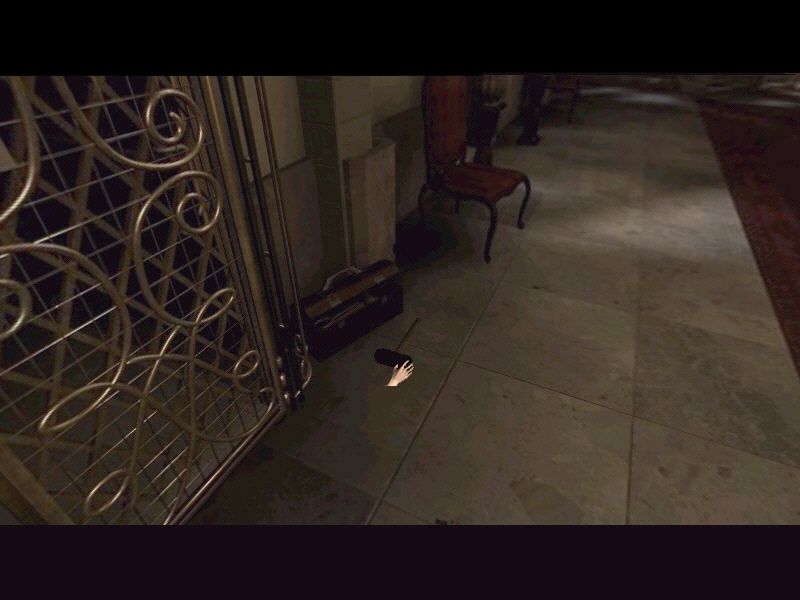
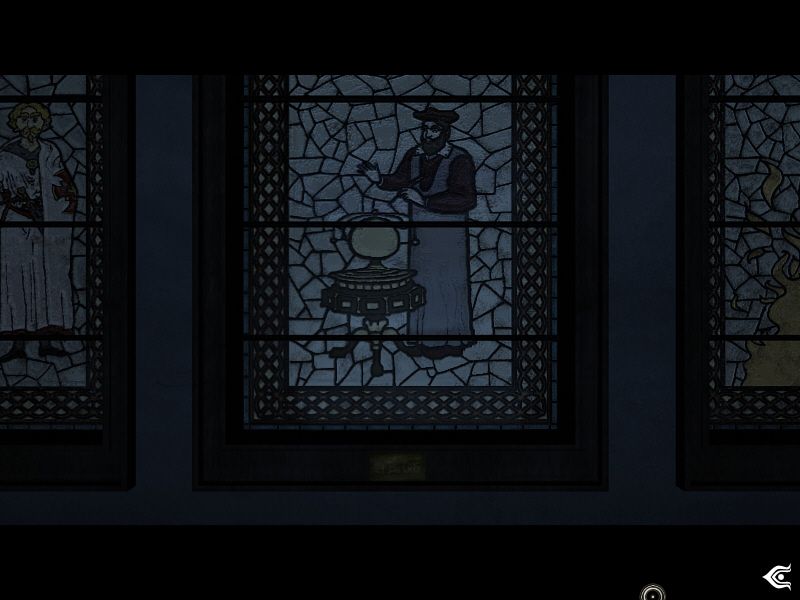
Graphically, Post Mortem captures the essence of the Roaring Twenties with richly detailed environments and period-appropriate interiors. From gas-lit streets to lavish manor houses, the game’s art direction leans into muted color palettes and art deco flourishes that evoke a bygone era. Lighting plays a pivotal role in crafting suspense—shadows shift ominously as you examine a new lead.
Character models are serviceable for the era in which the game was developed, with facial animations that effectively convey suspicion, fear, and determination. While modern players may spot polygonal edges or texture repetition in certain backgrounds, these minor flaws rarely break immersion. Cutscenes, however, elevate the visual presentation by seamlessly transitioning to third-person angles and adding cinematic camera pans that highlight key story moments.
Environmental effects such as drifting fog, rain-soaked cobblestones, and flickering candles contribute to a consistently moody atmosphere. Subtle details—like unexplained bloodstains or torn photographs—are rendered with sufficient clarity to help players draw connections without pixel hunting. Overall, the graphics serve the narrative well, painting a vivid portrait of crime and intrigue in the 1920s.
Story
Set against a backdrop of post-World War I recovery, Post Mortem unfolds a layered murder mystery when Sophia Blake hires MacPherson to uncover the killers of her sister and brother-in-law. From the outset, the narrative strikes a balance between classic noir tropes and unique period details, weaving a tale of betrayal, hidden agendas, and shocking revelations. Each location you visit deepens the intrigue and raises the stakes.
The branching dialogue system ensures that choices matter: an offhand comment can close a suspect’s throat or unlock new lines of inquiry. Multiple endings reflect the cumulative impact of your decisions, encouraging replayability for those eager to see every narrative branch. Character-driven moments—such as tense interrogations or confidential confessions—add emotional weight to the investigation, making the conclusions feel earned.
Secondary characters are more than mere witnesses; they have backstories, personal motivations, and shifting loyalties that can surprise you. Sophia Blake’s vulnerability contrasts sharply with the hardened cynicism of MacPherson, offering a resonance that keeps players invested. With its twists and red herrings, the story remains compelling throughout, culminating in a finale that ties together loose threads while still leaving room for interpretation.
Overall Experience
Post Mortem stands out as a thoughtfully designed detective adventure that rewards patience and careful observation. Its deliberate pacing, atmospheric audio-visual design, and intricate storylines combine to create an engrossing journey through 1920s intrigue. While it may not satisfy those seeking high-octane action, it offers a rich tapestry of mystery for players who prefer to unravel puzzles and decode human behavior.
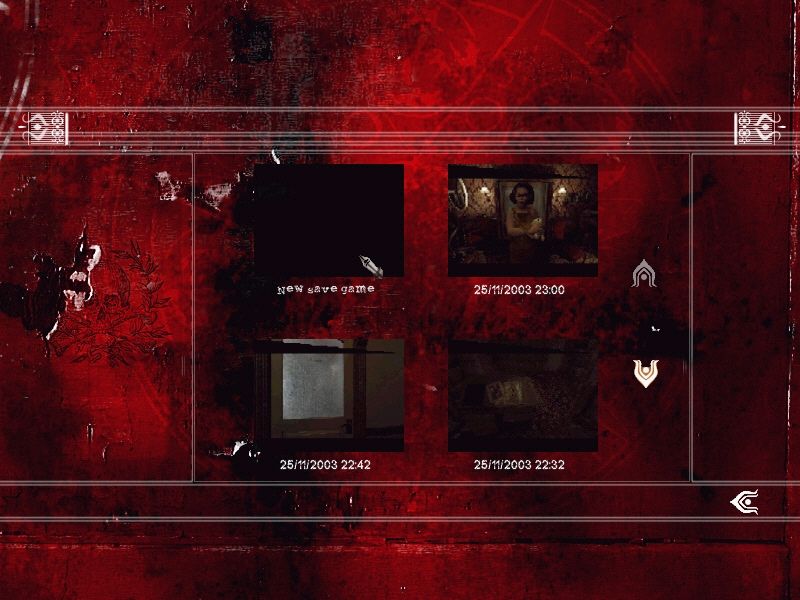
Some modern conveniences—like quick-save anywhere and streamlined UI hints—might feel dated by today’s standards, but these elements are mostly forgivable given the game’s vintage charm. Fans of titles such as AmerZone: The Explorer’s Legacy or classic LucasArts adventures will find much to admire here. The balance between exploration, dialogue, and logical deduction remains its greatest strength.
Ultimately, Post Mortem is best suited for adventure-genre enthusiasts and narrative-driven gamers who appreciate a slower burn. With its evocative setting, branching story paths, and memorable characters, it offers a satisfying sense of discovery and accomplishment. If you’ve ever dreamed of donning a trench coat, smoking a cigarette in a smoky speakeasy, and solving a high-profile murder, MacPherson’s next case awaits your keen eye.



Reviews
There are no reviews yet.