 Retro Replay Retro Replay gaming reviews, news, emulation, geek stuff and more!
Retro Replay Review
Gameplay
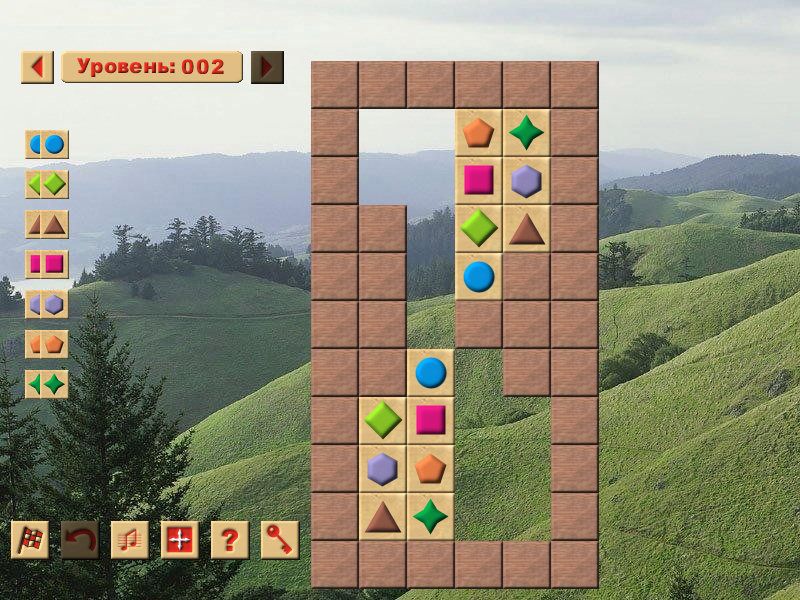
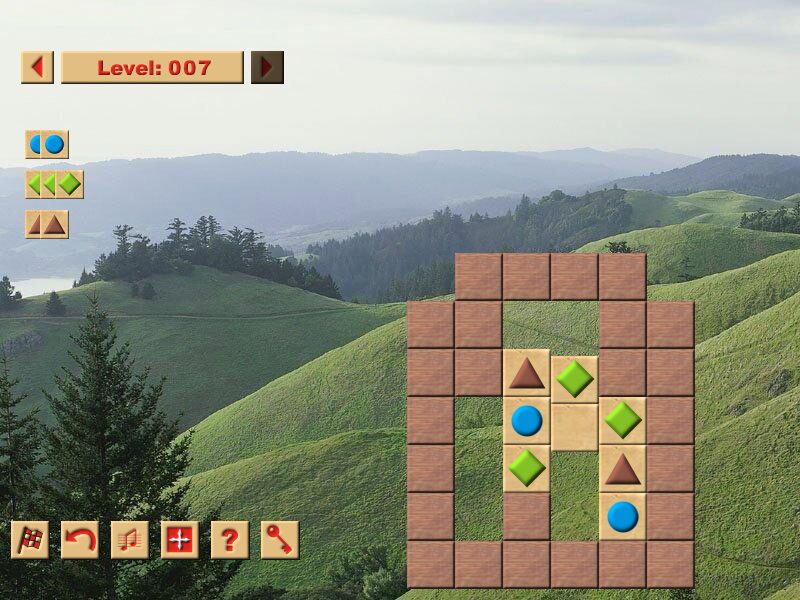
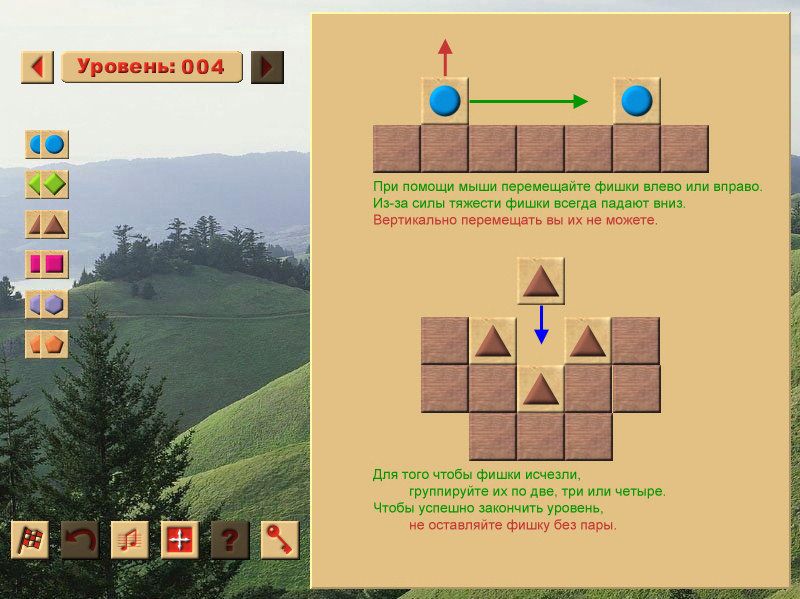
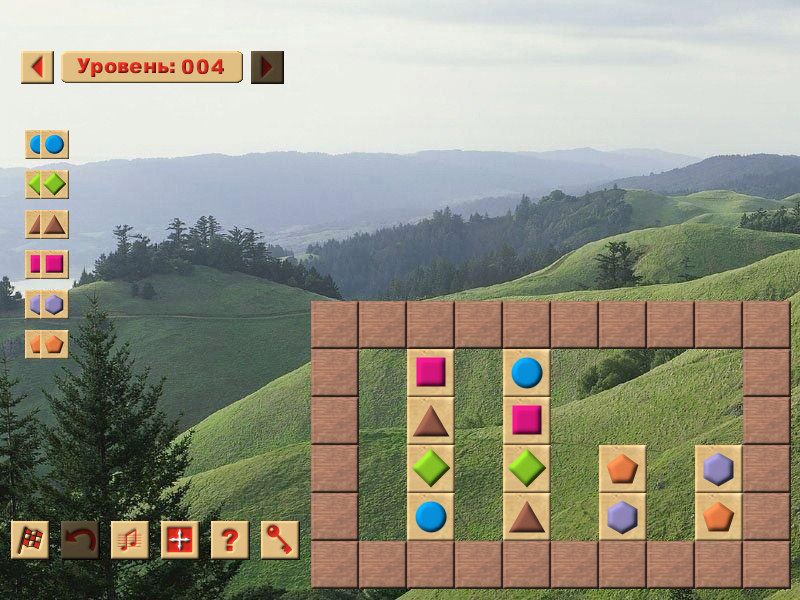
Puzznic delivers a deceptively simple yet deeply engaging puzzle experience where the core mechanic revolves around sliding matching blocks together. Each level presents a grid filled with various symbols or shapes, and your goal is to clear the board by moving identical pieces adjacent to each other. The absence of a time limit encourages thoughtful planning over frantic button-mashing, allowing beginners and veteran puzzlers alike to experiment with different strategies at their own pace.
(HEY YOU!! We hope you enjoy! We try not to run ads. So basically, this is a very expensive hobby running this site. Please consider joining us for updates, forums, and more. Network w/ us to make some cash or friends while retro gaming, and you can win some free retro games for posting. Okay, carry on 👍)
The inclusion of an Undo Stack—accessible via Ctrl+Z or an on-screen button—provides a welcome safety net for those inevitable missteps. This feature transforms the trial-and-error nature of puzzle-solving into a more forgiving and exploratory process. Rather than restarting the entire level, you can backtrack one move at a time, giving you the freedom to learn from mistakes without losing hard-earned progress.
With 150 original levels faithfully recreated from Taito’s 1989 classic, Puzznic balances nostalgic charm with modern convenience. Each stage gradually introduces new obstacles and block types, ensuring a steady difficulty curve that keeps the challenge fresh. The option to revisit completed levels at any time further enhances replayability, allowing you to chase faster completion times or simply perfect your solutions.
Beyond its core offering, Puzznic features a handful of quality-of-life add-ons that polish the experience. Grid highlighting, adjustable sound cues, and customizable control schemes make it easy to tailor the game to your preferences. Whether you’re using a keyboard, gamepad, or touch interface, the controls feel responsive and intuitive, ensuring you can focus on the puzzles rather than wrestle with the UI.
Graphics
Graphically, Puzznic embraces a minimalist aesthetic that prioritizes clarity over flash. The grid-based layout is crisp and clean, with each block type distinguished by bold colors and simple iconography. This visual straightforwardness ensures that players can instantly identify matching pieces, even as levels grow more crowded and complex.
Despite its retro roots, the remake offers subtle modern enhancements such as smooth animations when blocks slide, disappear, or fall under gravity’s influence. These small touches lend a satisfying sense of weight and polish to every move, amplifying the tactile enjoyment of lining up a perfect match. Transitions between levels are also sleek, with brief fade-ins that maintain the game’s relaxed pace.
The user interface around the playfield is equally uncluttered. Essential information—current level, move count, and Undo Stack depth—is displayed unobtrusively along the edges of the screen. This streamlined presentation prevents distractions and keeps the focus firmly on the puzzle itself. Fans of classic 8-bit visuals will appreciate the faithful color palette, while newcomers will find the style refreshingly timeless.
Story
True to its arcade heritage, Puzznic places almost no emphasis on narrative. There is no branching storyline, character development, or in-game lore to uncover. Instead, the game trusts its puzzle mechanics to provide motivation, relying on the intrinsic satisfaction of solving spatial challenges to keep players engaged.
While purists might miss a story mode or thematic backdrop, the absence of a narrative does not detract from the overall experience. Each level often feels like a standalone “puzzle room,” and progression is tracked purely through level numbers rather than plot milestones. In this sense, Puzznic hews more closely to the design philosophy of late-’80s arcade titles: simple premises, endless depth.
For players who desire a hint of narrative context, the inclusion of themed block sets (fruits, shapes, or classic arcade icons) offers just enough flavor to spark the imagination. Though these themes do not tie into a larger story, they provide visual variety and a subtle sense of character as you advance through the 150 levels.
Overall Experience
Puzznic by ZX Games strikes a near-perfect balance between nostalgic homage and modern refinement. By preserving the original level designs from Taito’s 1989 release and layering on contemporary usability features, the remake feels both familiar and fresh. The Undo Stack, level select flexibility, and polished animations elevate a classic puzzle formula into a thoroughly enjoyable package for today’s audience.
This is a game that rewards patience and creative problem-solving. Each completed puzzle brings a rewarding “click” as blocks merge and vanish, and the growing complexity ensures that you remain mentally stimulated well past the initial few stages. The lack of a timer removes unnecessary pressure, making Puzznic ideal for both quick sessions and marathon puzzle-solving binges.
Accessibility is another strong suit. No emulators are required to run the game, and its modest system requirements mean it can be played on almost any modern PC or lightweight laptop. This ease of access, coupled with clear visuals and configurable controls, makes Puzznic a perfect choice for casual gamers, puzzle enthusiasts, and retro aficionados alike.
In the crowded field of puzzle games, Puzznic shines by sticking to the essentials: thoughtful level design, intuitive mechanics, and just enough polish to feel current. If you’re looking for a challenge that’s easy to pick up but hard to master, this remake of a late-’80s classic is well worth your time and investment.


Reviews
There are no reviews yet.