 Retro Replay Retro Replay gaming reviews, news, emulation, geek stuff and more!



Retro Replay Review
Gameplay
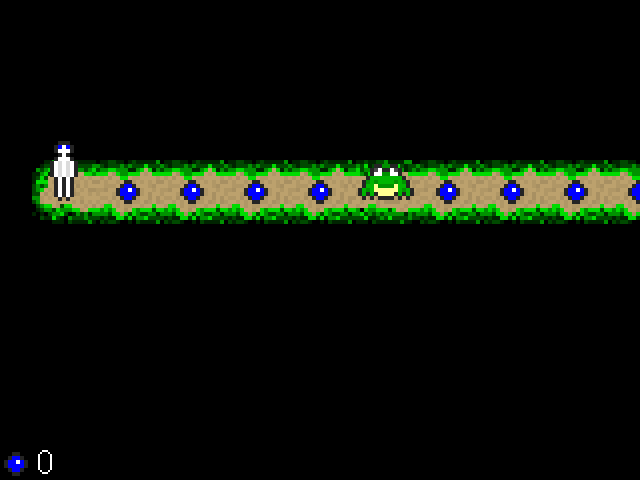
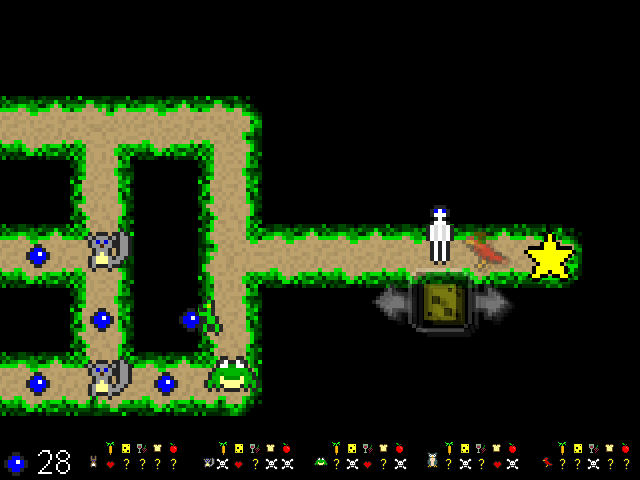
Regret reinvents the classic maze-chase formula by layering in a thoughtful, introspective theme around mistakes and personal reflection. At first glance, you’ll find yourself navigating a winding labyrinth, gobbling up glowing blue orbs while deftly avoiding a menagerie of animals. Yet beneath this familiar veneer lies a dynamic system that records your every misstep: each collision with an animal or poor choice about which food to collect transforms into “regret points” that follow you like a shadow.
(HEY YOU!! We hope you enjoy! We try not to run ads. So basically, this is a very expensive hobby running this site. Please consider joining us for updates, forums, and more. Network w/ us to make some cash or friends while retro gaming, and you can win some free retro games for posting. Okay, carry on 👍)
The controls are tight and responsive, recalling the crisp precision of Pac-Man, but the added twist of accumulating regret brings genuine tension to each run. Do you dash through a cluster of quickly-respawning animals to snag an extra orb, even though you know it will add to your regret meter? Or do you play it safe at the cost of a lower raw score? That constant risk–reward calculus keeps each maze freshly engaging, encouraging multiple playthroughs to experiment with different strategies.
Even in its brevity, the game offers subtle variations in maze layout, animal behavior, and food placement, ensuring that no single run ever feels entirely predictable. The “score” you ultimately achieve is less about raw tallies and more about how you chose to handle inevitable mistakes—turning a simple arcade concept into a meditation on the value (or futility) of regret in our personal narratives.
Graphics
Visually, Regret opts for a clean, minimalist aesthetic that complements its conceptual underpinnings. The maze walls are rendered in muted tones, allowing the bright blue orbs, colorful food icons, and animal sprites to pop immediately against the backdrop. While it doesn’t aim for high-fidelity realism, the deliberate simplicity helps keep the player’s focus on the core gameplay and thematic resonance.
Each element—from the spherical glow of the orbs to the stylized silhouettes of the animals—conveys personality with just a few pixels. Animations are smooth and purposeful: a quick shimmy from a grazing animal or a brief pulsing effect when you gain a new regret feels surprisingly weighty, underscoring the emotional subtext of every action. Even the subtle screen shake when you collide with an obstacle gives a palpable sense of consequence.
The color palette shifts ever so slightly as you accrue more regrets, introducing darker hues around the maze borders. This dynamic lighting effect is an elegant visual metaphor for how past mistakes can cloud your present perspective. Though modest in scope, the graphics design is thematically cohesive and proves that minimalism, when executed thoughtfully, can be deeply expressive.
Story
Regret doesn’t follow a traditional narrative arc or present expository cutscenes—instead, its story is woven into the very mechanics of play. From the moment you start your first maze, you’re invited to relive small “mistakes” represented by every unfortunate run-in with an animal or wrong food choice. These little vignettes accumulate into a larger commentary on how regrets can bog us down over time.
The game’s underlying premise, as articulated in Jason Rohrer’s design sketchbook for The Escapist, asserts that while regret may offer learning opportunities, it often leaves us mentally paralyzed. Regret treats the player’s actions as a living chronicle: every misstep impedes your speed and responsiveness, simulating the mental burden of ruminating on past errors. It’s a clever storytelling device that never needs words—your own frustration, curiosity, and occasional breakthroughs convey more than any printed dialogue could.
Rather than doling out a fixed storyline, Regret encourages you to discover your own interpretation. Are you learning from mistakes, or allowing them to weigh you down? By subtly adjusting gameplay parameters based on your in-game performance, the experience feels simultaneously personal and philosophically rich, prompting reflection long after you’ve left the maze.
Overall Experience
As a bite-sized experiment in interactive design, Regret excels at blending accessible arcade action with meaningful conceptual depth. Its short play sessions make it ideal for quick bursts of engagement, but the game’s inventive regret-tracking system invites repeated runs as you chase not just a high score, but a more mindful approach to your own missteps. This dual focus on gameplay and introspection sets it apart from many other indie maze games.
Though it may lack the length of a larger commercial release, Regret’s developmental origins as a monthly sketchbook project grant it a sense of creative freedom. There’s no filler here—each element, from the crisp controls to the evolving color scheme, reinforces the central theme. Players who appreciate experimental design will find themselves pondering the implications of every collision and power-up long after the credits roll.
In sum, Regret offers a unique, thought-provoking twist on a familiar format. It’s not merely about clearing mazes or outmaneuvering foes, but about confronting the weight of our own past choices. Whether you’re a fan of classic arcade mazes seeking a fresh spin or a reflective player drawn to narrative-driven mechanics, Regret delivers a compact yet resonant journey well worth exploring.



Reviews
There are no reviews yet.