 Retro Replay Retro Replay gaming reviews, news, emulation, geek stuff and more!
Retro Replay Review
Gameplay
Return to Sector 9 delivers a rich arcade shooter experience by offering nine distinct game modes, each with its own set of rules and objectives. Whether you’re piloting a nimble starfighter with full 360-degree movement or manning a stationary turret, the combination of mouse and keyboard controls is both responsive and intuitive. Beginners can jump right in with straightforward wave-based challenges, while veterans will appreciate the clever twists in advanced modes that demand quick reflexes and strategic power-up usage.
(HEY YOU!! We hope you enjoy! We try not to run ads. So basically, this is a very expensive hobby running this site. Please consider joining us for updates, forums, and more. Network w/ us to make some cash or friends while retro gaming, and you can win some free retro games for posting. Okay, carry on 👍)
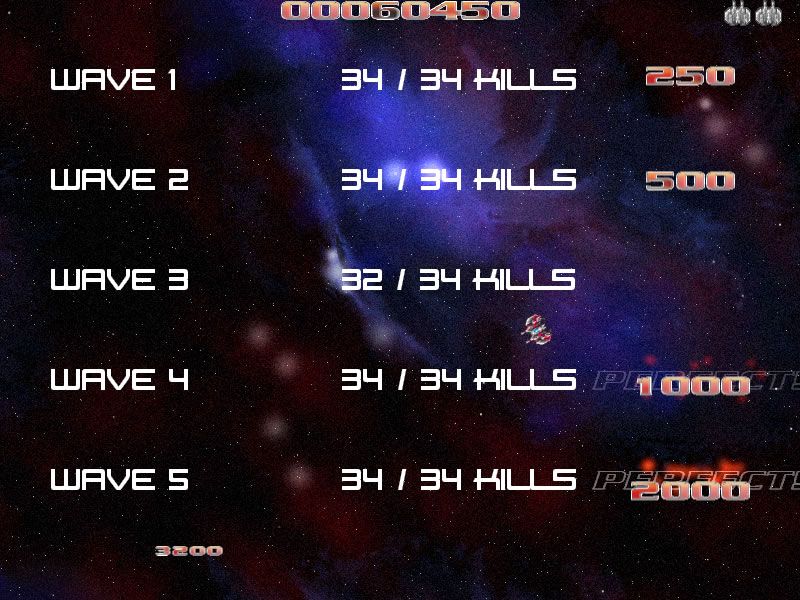
The progression system is engaging: players unlock up to 15 different ships and paint jobs as they complete stages and rack up high scores. This constant stream of new ships keeps the gameplay loop fresh, and experimenting with various ship loadouts adds a layer of depth beyond the standard “shoot everything that moves” formula. Each unlock feels rewarding, encouraging repeated runs to master harder levels and claim the top spots on the online leaderboards.
Power-ups are the game’s highlight, ranging from temporary shields and spread shots to screen-clearing special weapons. The availability of both offensive and defensive boosts forces players to make split-second decisions: should you grab the power-up that maximizes your firepower or the one that reinforces your tanky defenses? Combined with periodic boss encounters, these power-up dynamics keep every session unpredictable and thrilling.
Graphics
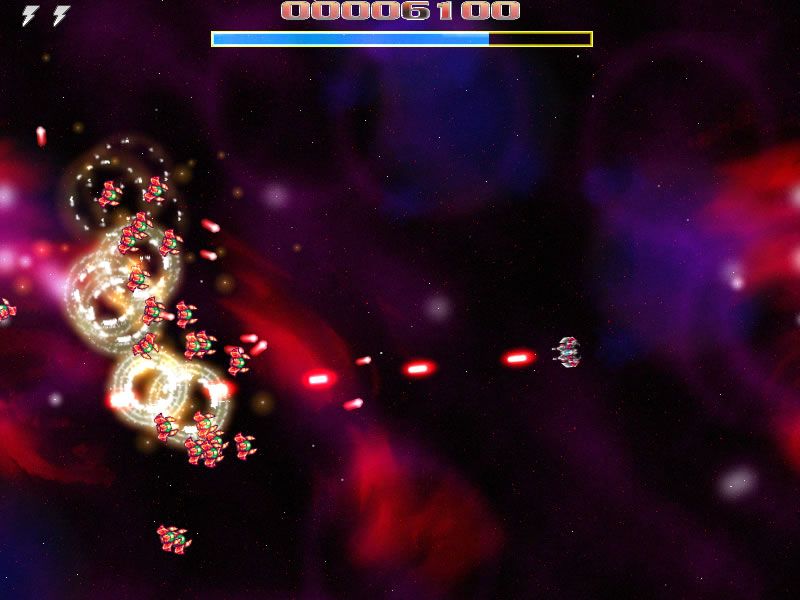
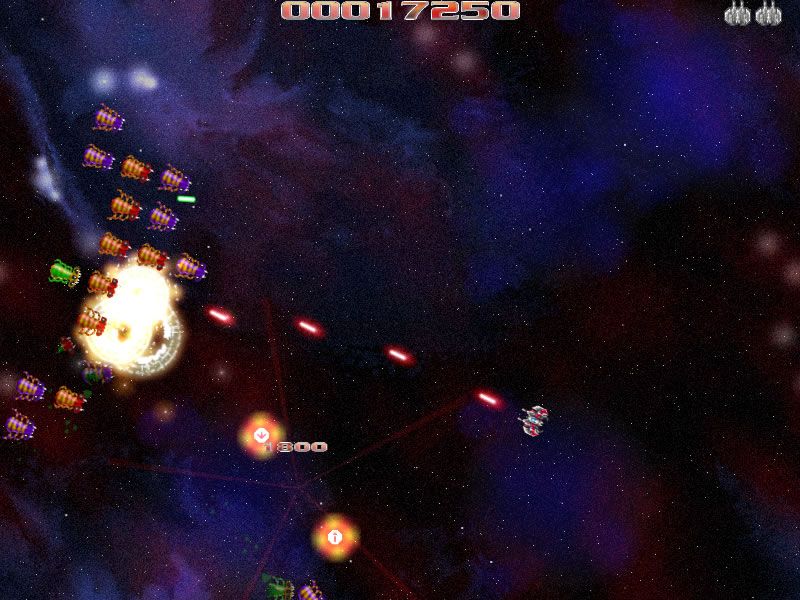
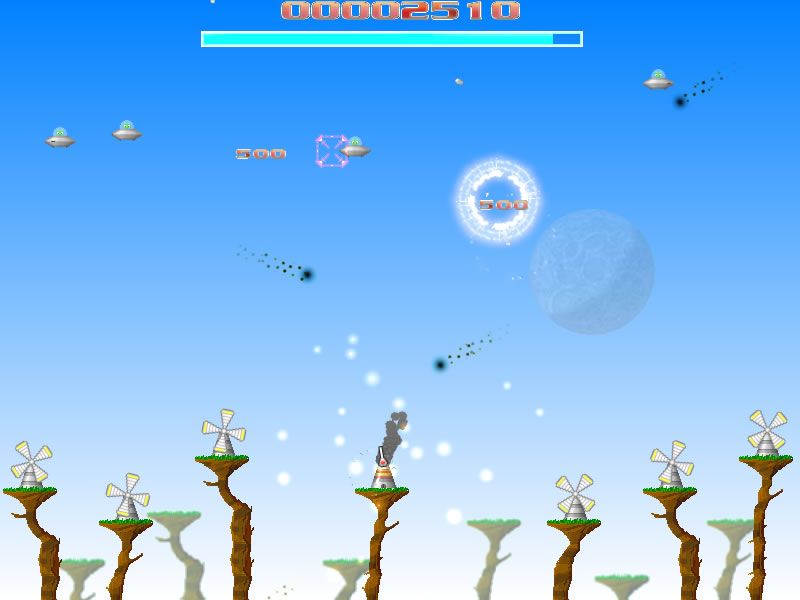
Visually, Return to Sector 9 embraces a classic 2D pixel-art aesthetic that evokes the golden age of arcade shooters. Bright neon projectiles streak across dark, star-studded backdrops, and the enemy designs—ranging from sleek drones to massive capital ships—are distinct enough to telegraph their attack patterns without confusing the player. The sprite animations are smooth, giving a satisfying sense of impact when shots connect or when enemies explode in showers of colored pixels.
The nine unique game modes also feature their own thematic backgrounds and color palettes, preventing visual fatigue over long play sessions. From asteroid fields and space stations to deep-space voids illuminated by distant nebulae, each environment complements the frenetic on-screen action without overwhelming it. Even on lower-end hardware, the game maintains a stable frame rate, ensuring that split-second maneuvers feel precise and reliable.
Subtle visual flourishes—like the glow effects on power-ups and the dynamic camera shake during boss entrances—elevate the presentation above a basic freeware title. The user interface is clean and unobtrusive, displaying your current ship, score, and remaining lives without cluttering the action area. Overall, the graphics strike a fine balance between retro charm and modern polish.
Story
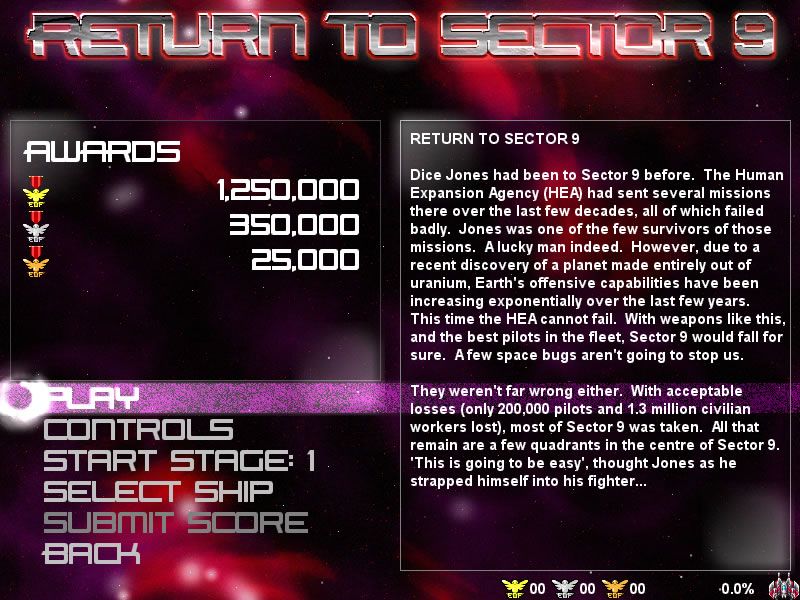
While most arcade shooters prioritize gameplay over narrative, Return to Sector 9 weaves in bite-sized background stories for each game mode, lending a surprising amount of context to the carnage. Whether you’re defending a remote research outpost from alien swarms or escorting vital cargo through contested space lanes, each scenario has its own lore snippet that frames the objectives. These narrative vignettes are brief but effective, giving players a reason to tackle every mode beyond mere high-score chasing.
The sequel builds on the foundation laid by Ambush in Sector 9, expanding the universe with new factions and threats. As you unlock further modes, you’ll uncover the motivations behind the sector’s warring sides, from corporate mercenaries to rogue AI constructs. Although the story isn’t the main draw, these short bursts of exposition add cohesion to the otherwise isolated missions and give a sense of progression in the larger galactic conflict.
For players seeking a deeper lore dive, the game’s manual and website offer extended write-ups on sector politics, ship classes, and alien technologies. This supplementary material caters to those who relish world-building, transforming Return to Sector 9 from a simple shooter into the centerpiece of a broader sci-fi universe. Even if you’re not a lorehound, the main storyline elements enhance immersion without interrupting the fast-paced action.
Overall Experience
Return to Sector 9 strikes an impressive balance between bite-sized arcade fun and long-term replayability. The blend of nine game modes, over a dozen unlockable ships, and an online high-score system ensures that players always have something to strive for. Whether you’ve got five minutes to obliterate some alien drones or an hour to master a particular mode, the game accommodates both quick sessions and marathon runs.
Its freeware price point makes it an outstanding value, offering dozens of hours’ worth of content without a single paywall. The intuitive controls, variety of power-ups, and escalating challenge curve mean that both newcomers and seasoned shooter fans will find reasons to return. The addition of unlockable cosmetic paint jobs and an online leaderboard further fuels friendly competition, encouraging replayability long after the initial thrill subsides.
In summary, Return to Sector 9 is a testament to what a well-crafted freeware title can achieve. With its responsive gameplay, charming pixel-art graphics, bite-sized yet engaging narrative, and robust progression system, it provides a quintessential arcade shooter experience. If you’re in search of a retro-inspired blastfest that still feels fresh and packed with content, this sequel is well worth your time.


Reviews
There are no reviews yet.