 Retro Replay Retro Replay gaming reviews, news, emulation, geek stuff and more!
Retro Replay Review
Gameplay
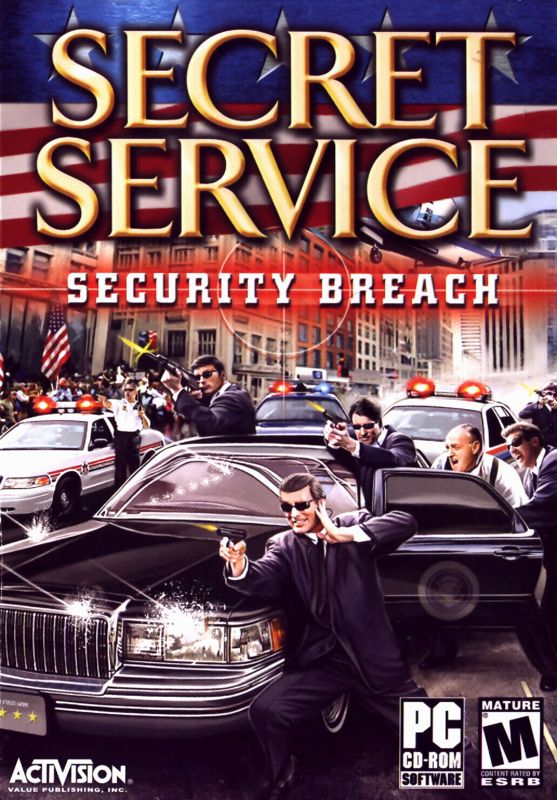
Secret Service: Security Breach drops you directly into the shoes of a federal agent tasked with neutralizing terrorist threats and organized crime cells. The core shooting mechanics are straightforward—your character starts with a standard-issue pistol, and stronger weapons are acquired on the fly through looting defeated foes. This “pistol-to-arsenal” progression keeps the action flowing, though it sacrifices the depth of a planned load-out system present in its predecessor.
(HEY YOU!! We hope you enjoy! We try not to run ads. So basically, this is a very expensive hobby running this site. Please consider joining us for updates, forums, and more. Network w/ us to make some cash or friends while retro gaming, and you can win some free retro games for posting. Okay, carry on 👍)
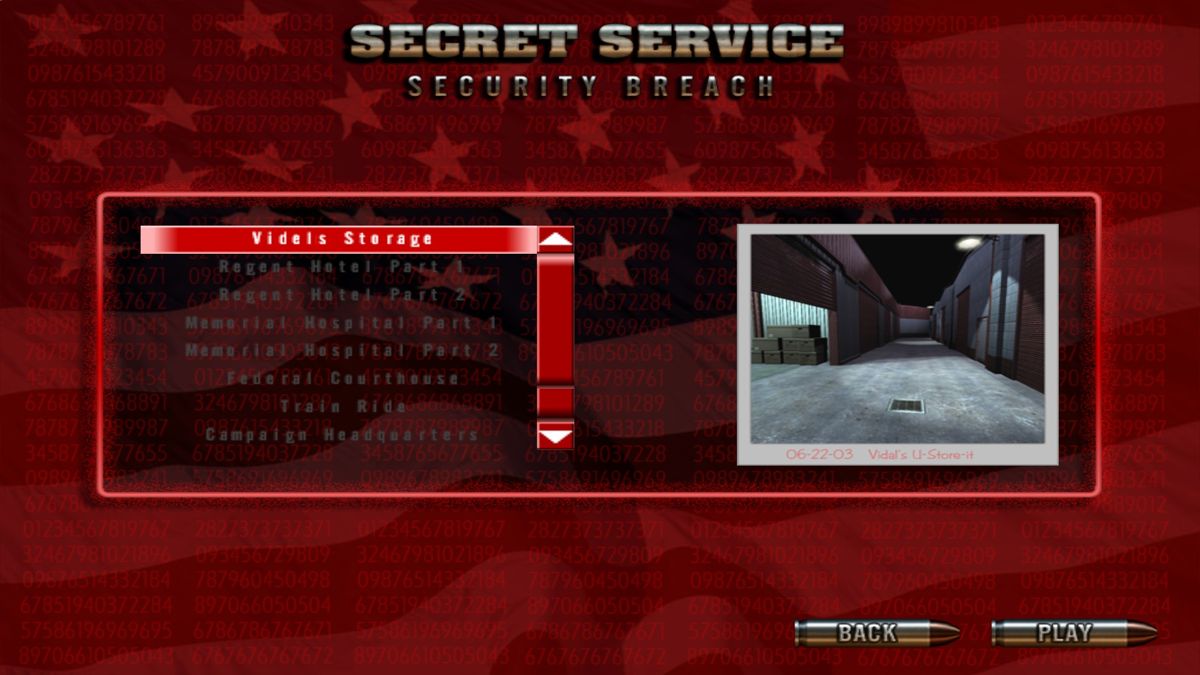
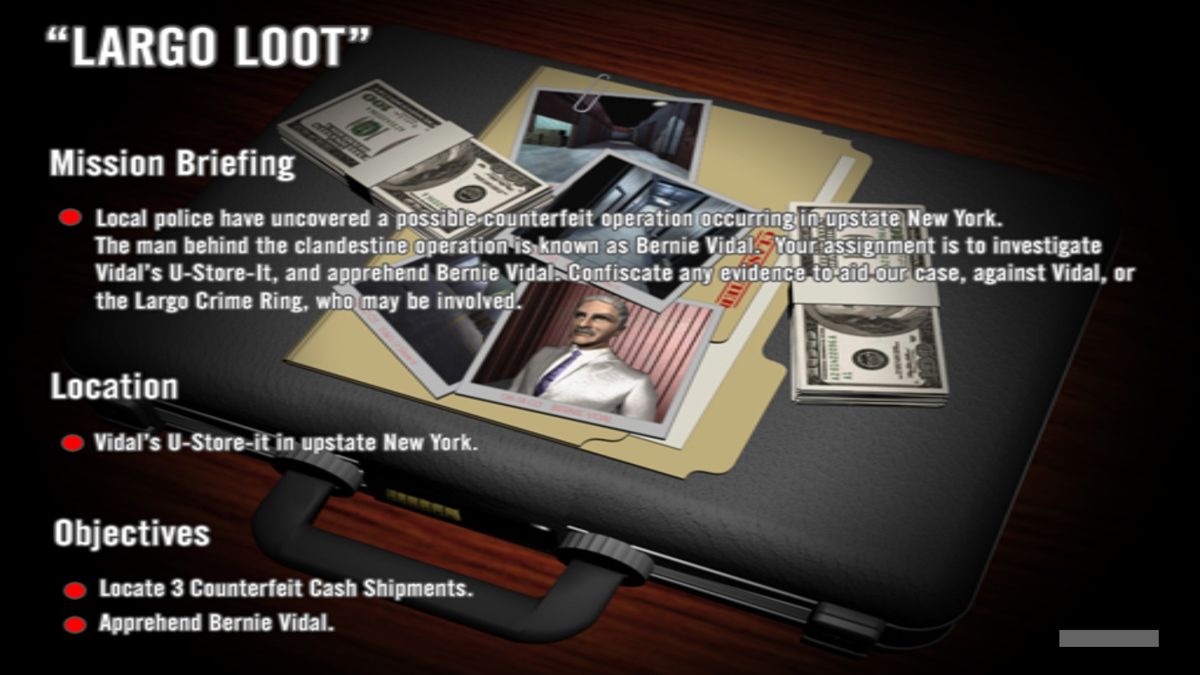
The mission structure is divided across ten linear levels, each with a clear objective like hostage rescue, bomb defusal, or VIP escort. While earlier games offered extensive mission briefings and strategic planning screens, Security Breach boils all intel down to a single loading screen. This design choice speeds up level transitions, but it can leave players wanting more context for their assignments.
Health management is likewise simplified. Instead of a regenerating health bar or limited first-aid kits, you pick up durable health packs that instantly restore a large chunk of hit points. This painless healing model keeps the pace brisk, but veteran FPS fans who appreciate tactical retreats or medkit conservation may find it too forgiving.
Weapon variety is modest yet serviceable: nine guns ranging from submachine guns to sniper rifles. Each weapon has distinct recoil patterns and ammo capacities, so mastering them requires some practice. However, the lack of multiplayer and the straightforward AI pathing mean you’ll primarily be focusing on solo firefights and scripted enemy encounters.
Graphics
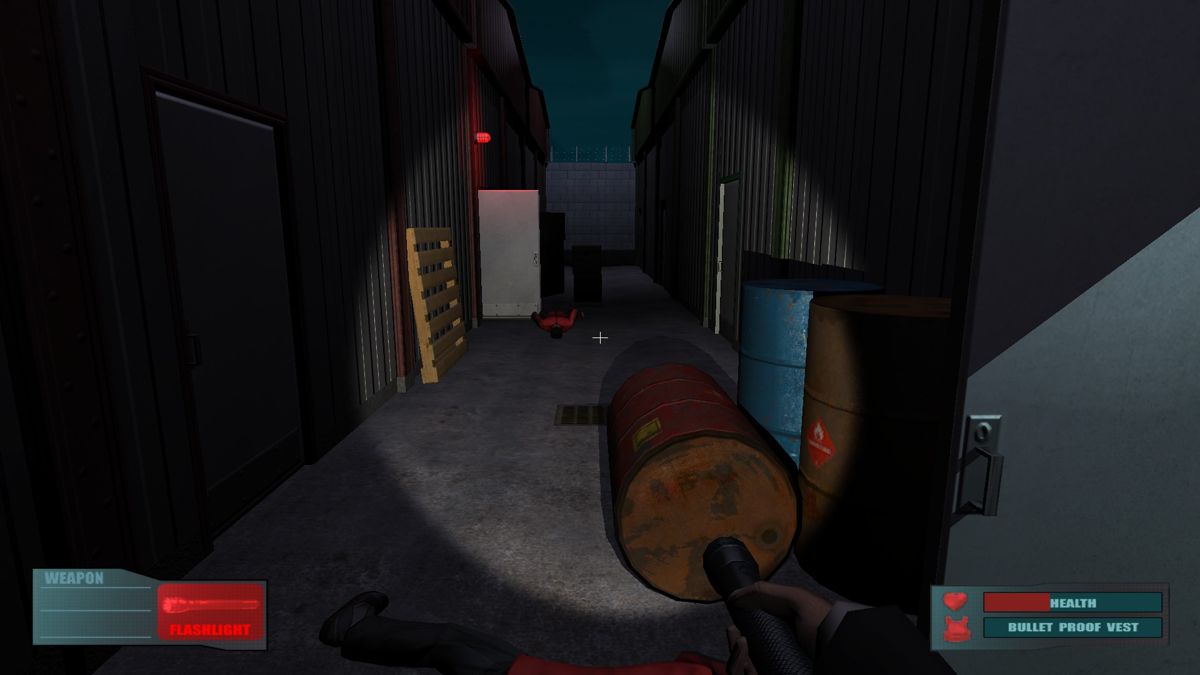
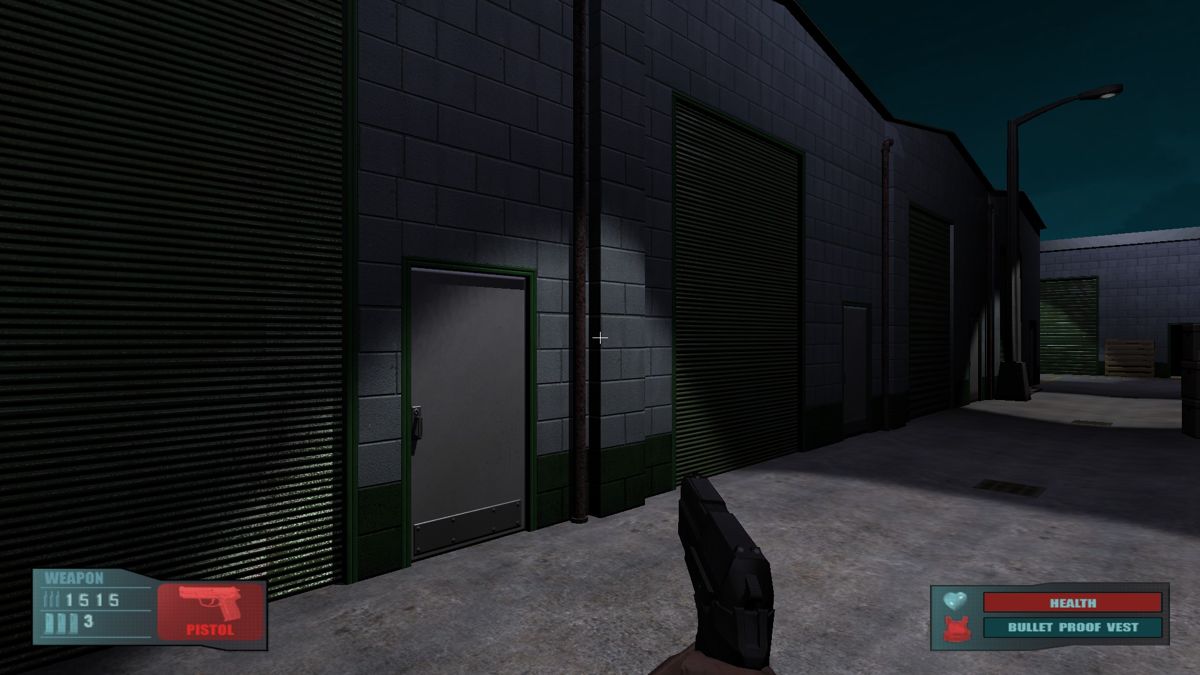
The game runs on a mid-range engine that delivers solid visuals without demanding the latest hardware. Textures on environments such as office complexes, underground bunkers, and city streets are crisp, and light sources cast realistic shadows during nighttime missions. Occasional texture pop-ins can occur in wide-open areas, but these are infrequent.
Character models are detailed enough to distinguish between different terrorist factions and civilian hostages, with facial animations that convey urgency during tense moments. Weapon models boast accurate geometry and metallic shaders, adding a tangible weight to every shot. You’ll notice smudges on your gun’s surface after extended firefights, which is a nice touch.
Particle effects—like muzzle flashes, explosions, and smoke—help sell the intensity of combat. While not on par with blockbuster-budget titles, they hold up well for a mid-tier FPS, ensuring firefights feel impactful. Level design occasionally resorts to repetitive corridor layouts, but clever use of lighting helps each area maintain its own identity.
Overall, Security Breach strikes a balance between performance and visual fidelity. On medium settings, frame rates hover around 60 FPS on a mid-spec PC, and toggleable bloom and motion blur add cinematic flair without becoming intrusive.
Story
The narrative casts you as a Secret Service operative racing against time to thwart coordinated attacks on U.S. soil. From the moment you infiltrate a hijacked subway car to the climactic showdown in a high-security government complex, the stakes remain personal as well as national. Dialogue is delivered through brief radio chatter and in-mission cutscenes, keeping exposition lean and focused.
Unlike its predecessor, which featured branching mission outcomes and extended briefings, Security Breach opts for a more streamlined plot progression. Each level’s objective ties directly into an overarching conspiracy, but the story rarely diverges from its beaten path. If you prefer narrative twists or moral dilemmas, you might find the campaign’s linearity somewhat limiting.
Supporting characters—such as your tech-savvy communications officer and a grizzled field partner—provide occasional banter to break up the tension. Their personalities shine through short exchanges that hint at loyalty challenges and hidden motives. While these interactions are brief, they serve as a reminder that you’re part of a team rather than a lone gunman.
In total, the story spans about 8–10 hours on a single playthrough. It delivers an action-packed premise but stops short of delivering emotional resonance or unexpected narrative turns. Fans of classic run-and-gun thrillers will appreciate the straightforward plot, but those seeking deep storytelling might feel it falls a bit flat.
Overall Experience
Secret Service: Security Breach offers a no-frills first-person shooting experience anchored by tight gunplay and a series of high-intensity missions. The simplified mission briefings and health-pack healing streamline the action, ensuring you’re always in the thick of combat without extended downtimes. For players seeking immediate gratification and steady pacing, this design approach works very well.
On the flip side, the absence of multiplayer modes and limited weapon roster reduce replay incentives. With only ten levels and nine guns, the game’s content can feel exhausted after a couple of playthroughs. If you thrive on collecting cosmetic unlocks or competing online, Security Breach may leave you wanting more.
Graphically, the title punches above its weight class, delivering solid textures, lighting effects, and character models without sacrificing performance. A mid-range rig is all you need to keep frame rates stable, making it accessible to a wide audience. The story, while linear, provides a clear motivation to push forward, even if it doesn’t break new narrative ground.
In summary, Secret Service: Security Breach is a competent FPS that caters to fans of straight-ahead, mission-driven action. Its streamlined mechanics make for a fast-paced experience but come at the cost of tactical depth and replay value. For gamers on a budget or newcomers to the genre, it’s a worthwhile pick—just don’t expect revolutionary features or long-term multiplayer engagement.



Reviews
There are no reviews yet.