 Retro Replay Retro Replay gaming reviews, news, emulation, geek stuff and more!



Retro Replay Review
Gameplay
Sergei Bubka’s Millennium Games delivers a sprawling track-and-field experience with nineteen distinct events spanning sprints, hurdles, relays, jumps, throws, and middle- to long-distance races. The core of the experience lies in its four play modes: Team Arcade, Training Decathlete, Free Play, and Multiplayer. In Team Arcade, you helm a national squad of eight specialists, unlocking new events by earning medals and juggling qualification rounds. This structure rewards consistent performance—bronze and silver open one new event each, while gold medals unlock two simultaneously—keeping the sense of progression palpable throughout.
(HEY YOU!! We hope you enjoy! We try not to run ads. So basically, this is a very expensive hobby running this site. Please consider joining us for updates, forums, and more. Network w/ us to make some cash or friends while retro gaming, and you can win some free retro games for posting. Okay, carry on 👍)
The Training Decathlete mode introduces a deeper layer of RPG-like character development. You sculpt your own athlete’s attributes—speed, strength, acceleration, jump, endurance, and reaction—allocating an initial pool of points or adopting a specialty preset for sprinting, jumping, throwing, or distance running. On top of skill management, you oversee a support team of coach, manager, and physician, each accessed via dedicated screens. The coach plans workouts to boost event-specific stats, the physician treats injuries to preserve peak physical condition, and the manager schedules competitions to maximize ranking opportunities.
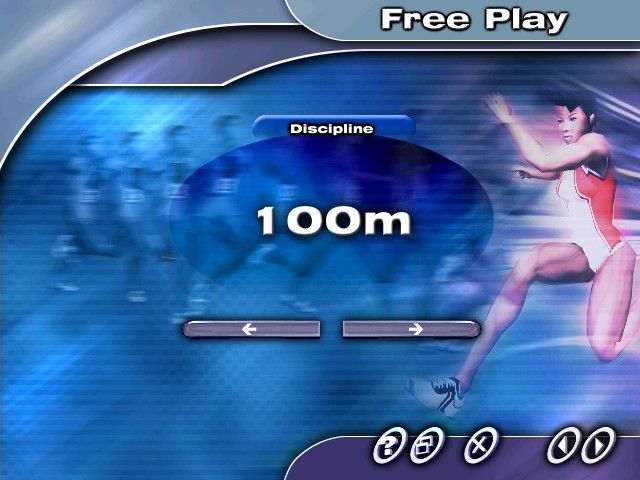
Free Play mode strips back the management veneer and plunges you straight into any event of your choosing, ideal for quick sessions or mastering a favorite discipline. Multiplayer raises the stakes, allowing up to eight players to link over LAN or two players in split-screen matchups. Championship-style tournaments can be tailored from any combination of events, delivering fast-paced, party-friendly competitiveness.
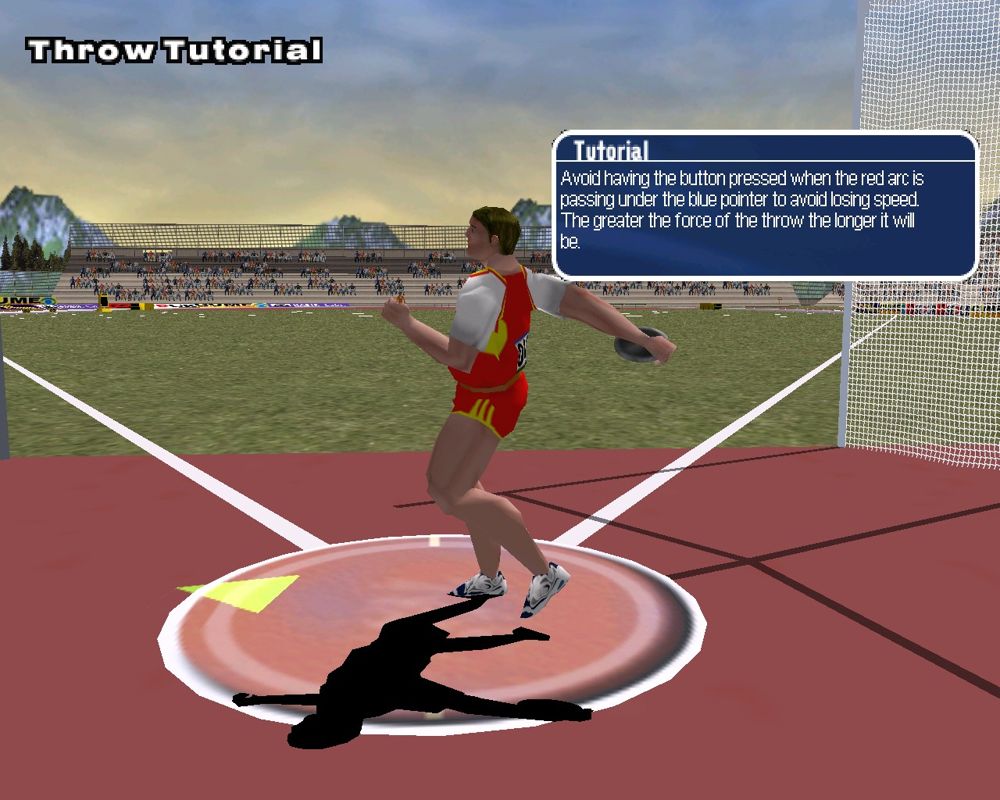
Control schemes cater to different playstyles. Traditional keyboard or gamepad button-mashing remains an option for those craving physical input, while Mouse Driven Power (MDP) offers a single-handed, timing-based approach via a rotating colored circle. Hitting the green zone beneath a pointer sustains speed, while the red zone drains momentum—adding a rhythmic, almost musical challenge. Secondary mouse buttons handle jumps and throws. The variety of input methods ensures accessibility, though mastering the MDP system is key for precision in field events.
Graphics
Visually, Millennium Games captures the essence of global athletic competition with realistically proportioned stadiums, detailed crowd animations, and dynamic track textures. Each venue—from the sunlit sprints oval to the wind-whipped javelin field—sports its own unique lighting and environmental touches, lending authenticity to the Olympic atmosphere. While character models occasionally display stiffness in complex movements, the developers compensate with fluid transitional animations that keep each run, jump, and throw feeling alive.
Camera variety enhances immersion: five selectable angles in running and jumping events allow you to choose everything from close-up athlete-side views to broad, overhead perspectives. Field events revert to a fixed yet informative vantage, focusing your attention on the athlete and implement. When you clinch a gold medal or shatter a record, the replay mode activates cinematic slow-motion segments, complete with dynamic camera sweeps that replay your finest moments in sports highlight–style glory.
The user interface remains clean and intuitive, with event selection menus clearly laid out by category, and in-match overlays that display timely prompts for button presses or mouse clicks. Post-event screens elegantly break down performance data—split times, distance measurements, and reaction scores—helping you identify areas for improvement. Overall, the graphics prioritize clarity and functionality without sacrificing enough style to dampen the spectacle of competition.
Story
Though Sergei Bubka’s Millennium Games is not narrative-driven in the traditional sense, a compelling personal storyline emerges through its Training Decathlete mode. Your athlete’s journey—from raw rookie to world-beating champion—forms an organic arc as you invest in training regimens, manage injuries, and strategically select competitions. Each triumph and setback weaves into a broader tale of perseverance, making every medal more meaningful.
In Team Arcade mode, representing a national squad also evokes a sense of patriotic camaraderie, even without cutscenes or voiced dialogue. Unlocking events, earning medals on behalf of your country, and climbing up the leaderboard creates a competitive narrative of collective glory. The progression system itself becomes the plot, with each unlocked discipline serving as a new chapter in your team’s Olympic saga.
Between competitions, text-based feedback from your coach, manager, and physician injects moments of personality into what might otherwise be cold data screens. Encouraging quips, injury warnings, and strategic advice lend character to your support staff and reinforce the backstory of your chosen athlete. While minimal, these narrative touches are enough to foster emotional investment in your athletic career.
Overall Experience
Sergei Bubka’s Millennium Games stands out as one of the most comprehensive multi-event sports titles available. Its breadth of disciplines and depth of modes—particularly the decathlete career builder—offers a rare blend of arcade immediacy and simulation complexity. Whether you’re darting down the track in a frantic keyboard-mashing sprint or fine-tuning your throw timing with the MDP system, the game consistently rewards skill, strategy, and practice.
Replayability is a key strength. The combination of progressive event unlocks, RPG-style athlete development, and multiplayer showdowns ensures that no two sessions feel identical. Small touches—like multiple camera angles, detailed performance breakdowns, and celebratory replays—elevate the sense of achievement when you smash a personal best or clinch a gold medal.
While the graphics and animations may not be cutting-edge by today’s standards, they sufficiently convey the excitement, tension, and drama of world-class track and field competition. The interface is accessible, controls are responsive (once you’ve mastered their nuances), and the variety of modes caters to casual sports fans and dedicated stat-heads alike.
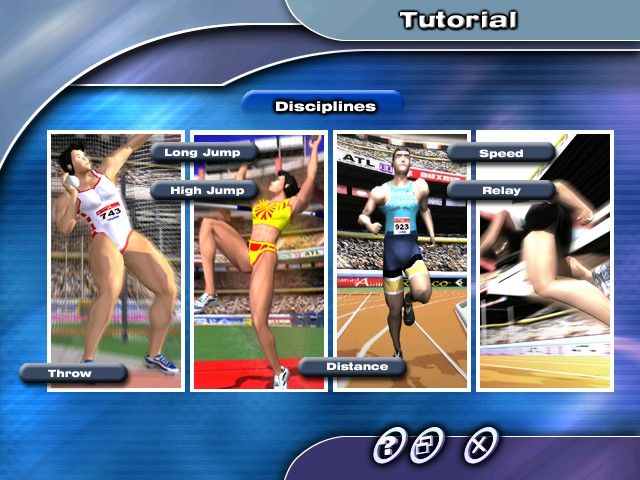
Ultimately, Millennium Games delivers a richly featured, engaging package for anyone who loves Olympic sports or yearns for a deep, multi-event athletic sim. Its mixture of fast-paced action, strategic career planning, and social competition makes it a versatile title—perfect for solo career marathons or high-energy multiplayer showdowns. Fans of track and field will find plenty to celebrate, while newcomers will appreciate the clear tutorials and scalable difficulty settings that ease them into the Olympic spirit.



Reviews
There are no reviews yet.