 Retro Replay Retro Replay gaming reviews, news, emulation, geek stuff and more!
Retro Replay Review
Gameplay
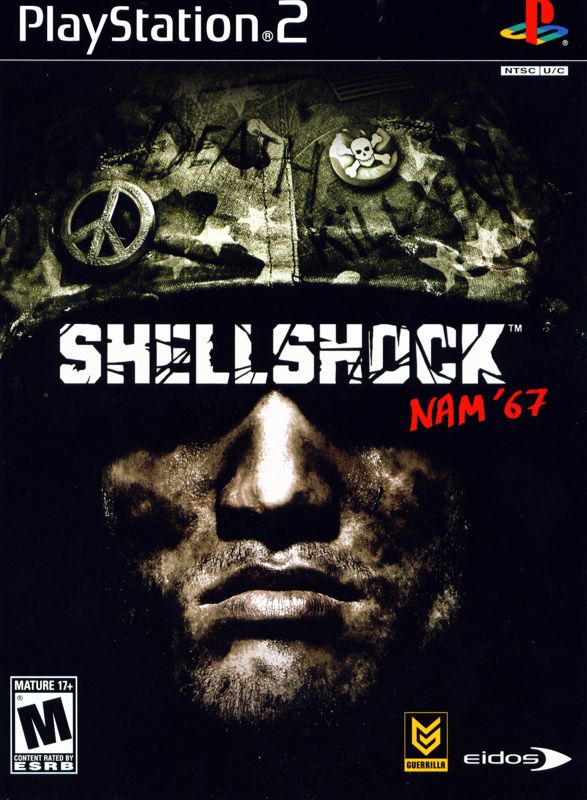
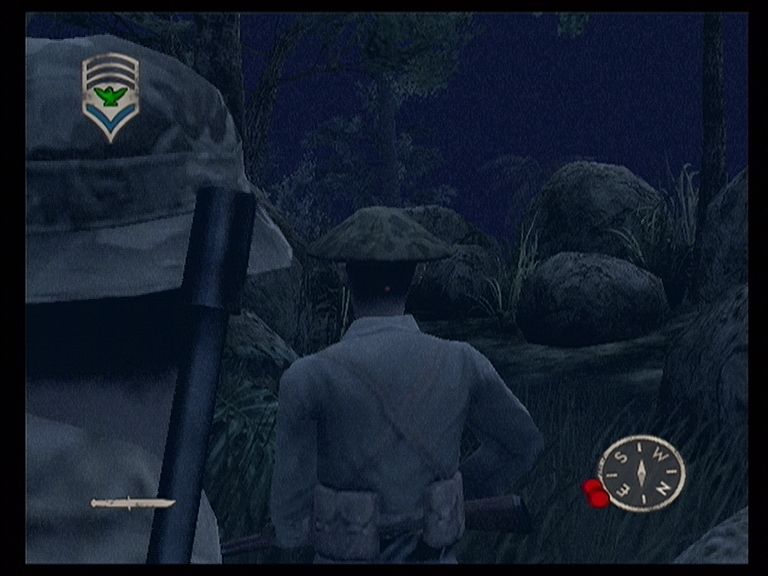
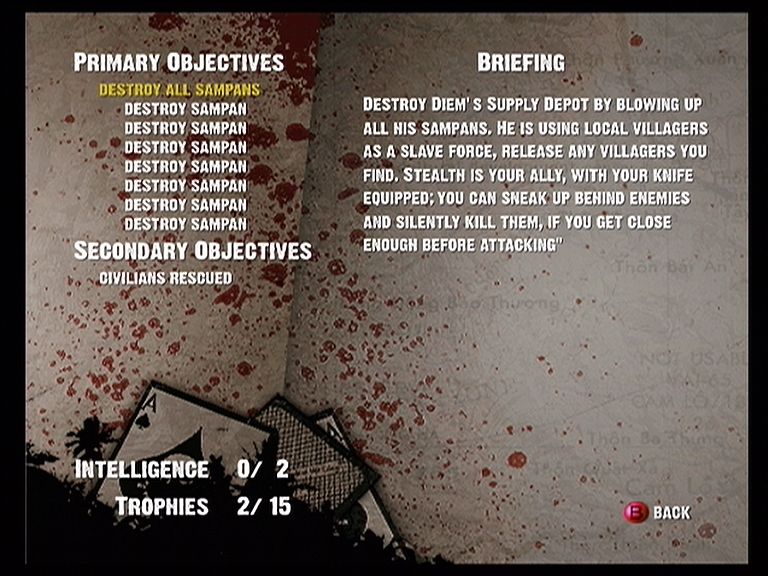
Shellshock: Nam ’67 drops you headfirst into the chaos of jungle warfare, placing you in the boots of a green rookie soldier on his very first tour of duty. The third-person perspective gives you a clear view of the lush yet perilous environment—whether you’re slogging through rice paddies under a punishing sun or creeping through claustrophobic tunnel systems. From the outset, the game balances large-scale set pieces like napalm strikes on civilian villages with stealthy night missions along riverbanks, offering a varied assortment of challenges.
(HEY YOU!! We hope you enjoy! We try not to run ads. So basically, this is a very expensive hobby running this site. Please consider joining us for updates, forums, and more. Network w/ us to make some cash or friends while retro gaming, and you can win some free retro games for posting. Okay, carry on 👍)
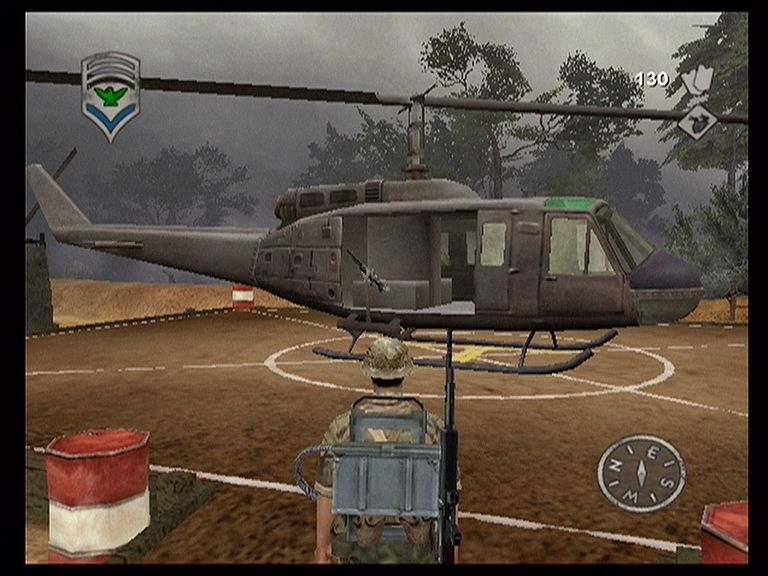
Most missions revolve around small-team tactics, but the squad AI is invincible and won’t alter mission objectives if they fall. While this mechanic removes the frustration of constant restarts, it can also make your teammates feel like mere spectators rather than active partners in the fight. You’ll spend much of your time on high-stakes objectives—assassinating enemy generals, taking out fortified boats, and guiding your unit through booby-trapped territory—all without a single vehicle to commandeer or multiplayer teammate to rely on.
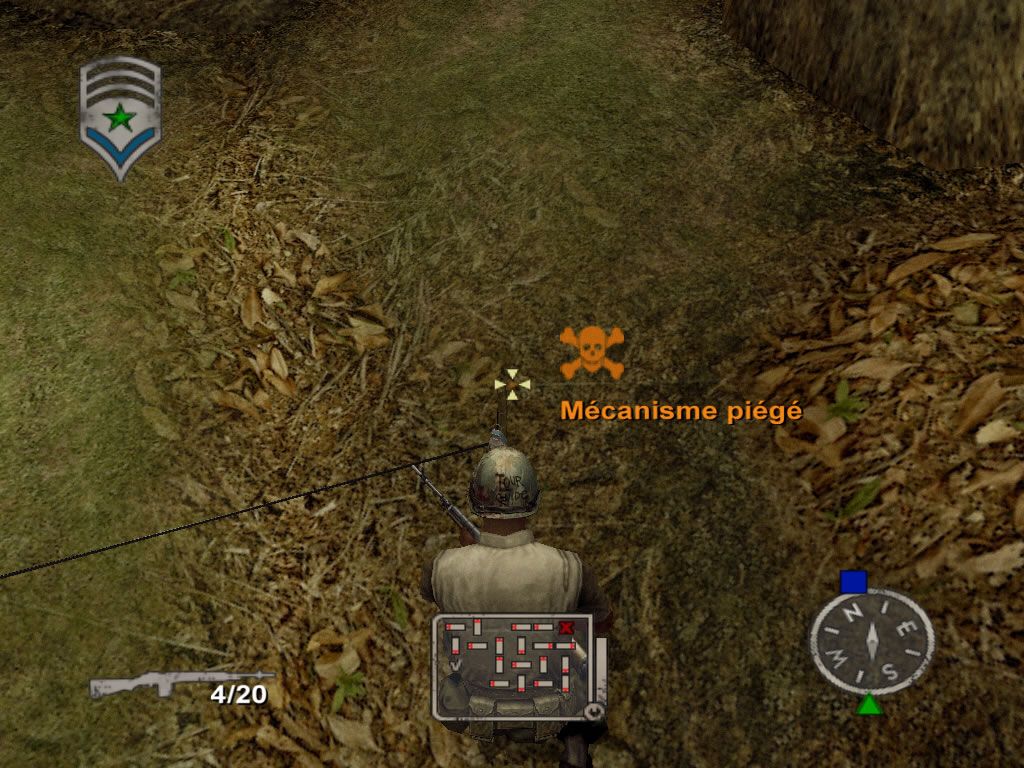
One of the more intriguing features is the bomb and trap dismantling system. In a tense race against time, you must input a lengthy sequence of buttons in the correct order to defuse explosives before they blow. This mechanic adds a layer of tension that contrasts with the sometimes straightforward run-and-gun encounters. Though environmental interaction is limited—no drivable jeeps or full destructibility—the game’s focus on gritty disarmament and close-quarters combat helps it stand out among other Vietnam-era shooters.
Graphics
Visually, Shellshock: Nam ’67 opts for a gritty, almost documentary-style presentation. Cutscenes are filmed through a shaky hand-camera lens, giving the atrocities on both sides a raw, visceral quality. These moments reinforce a sense of realism, but they can also be jarring, as the camera shake sometimes makes it hard to track enemy movement in the heat of battle.
The in-game environments are impressively varied, ranging from dense jungles and flooded rice fields to ancient temple ruins and ramshackle villages. Flame effects from napalm strikes scorch foliage and light up smoke-filled skies, while torches and handheld flares cast deep shadows in underground tunnels. Texture quality can be inconsistent—some rock faces and foliage look convincingly rugged, while other surfaces appear flat—but the overall atmosphere is immersive.
Character models are serviceable if not highly detailed, and the animation of wounded civilians or panicked villagers fleeing for cover adds emotional weight to your missions. On higher-end hardware, particle effects and dynamic lighting shine during heavy firefights, but even mid-range systems capture enough of the game’s visceral feel to make you squint into the distance, half-expecting a Viet Cong soldier to emerge from the underbrush.
Story
Shellshock: Nam ’67 doesn’t shy away from the moral complexities of the Vietnam War. The narrative unfolds through mission briefings and grimy cutscenes where both American soldiers and Viet Cong fighters commit harrowing acts. Though the storyline focuses on an anonymous rookie rather than a named protagonist, you still feel the weight of each assignment as you move deeper into the heart of enemy territory.
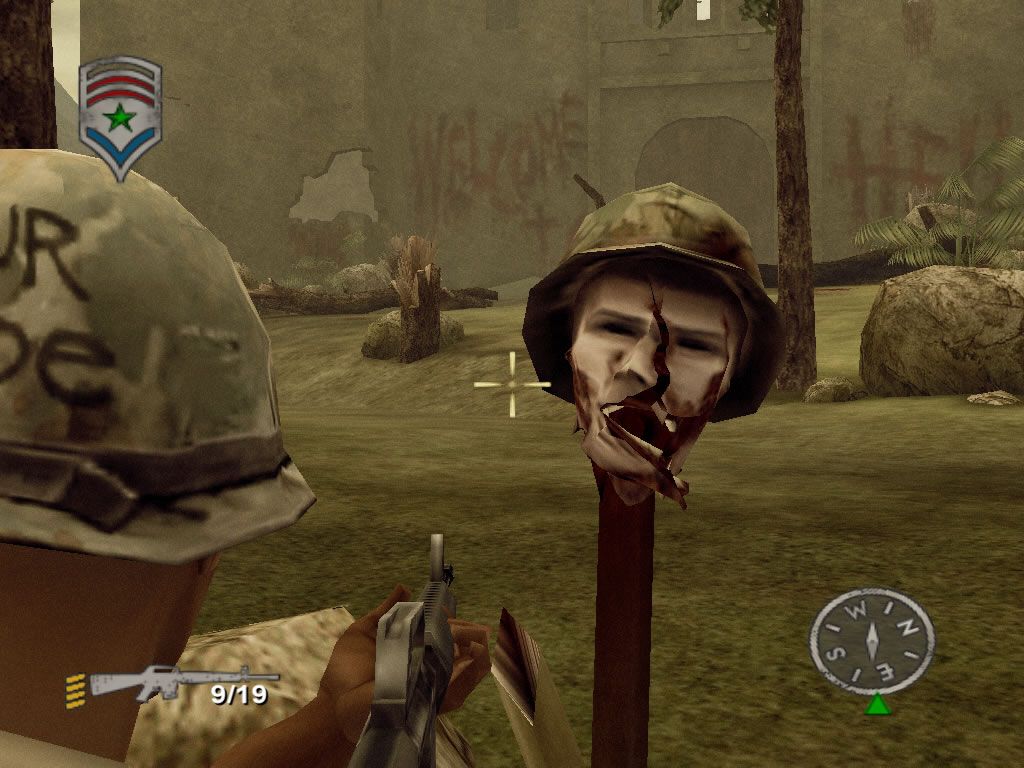
The game’s unflinching portrayal of civilian casualties, corrupt officers, and wartime excess gives the story a raw edge not often seen in shooters of its era. At base camp, you can even spend in-game currency on vices—purchasing the services of local hookers—which underscores the moral ambiguity of life on the front lines and provides a grim glimpse into the darker aspects of soldier downtime.
While character development is minimal, each mission paints a broader picture of desperation and survival. Whether you’re navigating booby-trapped tunnels or eying a general through a sniper scope, the game constantly reminds you that in Vietnam, no one walks away unscathed. This bleak realism may not be for everyone, but it’s certainly more thought-provoking than the run-of-the-mill ‘good vs. evil’ war tale.
Overall Experience
At its best, Shellshock: Nam ’67 delivers an intense, immersive journey into the jungles and villages of wartime Vietnam. The stark presentation, coupled with the absurdity of in-base frivolities and unyielding combat sequences, creates a dissonant experience that lingers long after you’ve put down the controller. It’s a shooter that refuses to sugarcoat the horrors of war.
However, the lack of drivable vehicles and multiplayer options may disappoint those seeking broader engagement or co-op support. The squad AI’s invulnerability removes some tactical depth, and environmental interaction is limited outside of the bomb-defusal minigame. Despite these shortcomings, mission variety—from stealth infiltrations to large-scale temple battles—helps maintain momentum throughout its campaign.
For players looking for a gritty, unfiltered Vietnam War simulation in shooter form, Shellshock: Nam ’67 offers a memorable, if imperfect, experience. Its raw presentation, tense mechanics, and morally gray storytelling set it apart from other titles in the genre, even if its technical limitations and narrow scope prevent it from reaching true greatness. Fans of historical shooters and atmospheric narratives will find much to admire here, while those seeking more polished, feature-rich gameplay might feel left wanting.


Reviews
There are no reviews yet.