 Retro Replay Retro Replay gaming reviews, news, emulation, geek stuff and more!


Retro Replay Review
Gameplay
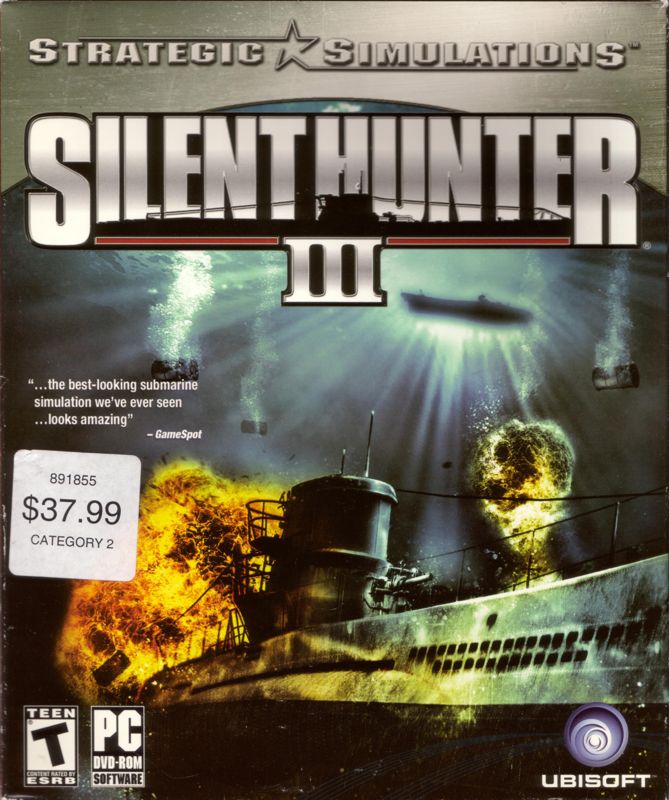
Silent Hunter III places you firmly in the captain’s chair of a German U-boat during the tumultuous years of World War II, offering a dynamic campaign that begins whenever you choose between 1939 and 1944. Your initial selection of flotilla not only determines your patrol base—ranging from Wilhelmshaven to St. Nazaire—but also the specific submarine type you command. As weeks roll into months, you’ll chase convoys across the Atlantic, plotting intercepts by periscope, sonar pings, and storm-cloud cover. Missions unfold in real time, and with time compression available, you can accelerate uneventful transits or slow to tense, methodical stalking when enemy destroyers loom on the horizon.
(HEY YOU!! We hope you enjoy! We try not to run ads. So basically, this is a very expensive hobby running this site. Please consider joining us for updates, forums, and more. Network w/ us to make some cash or friends while retro gaming, and you can win some free retro games for posting. Okay, carry on 👍)
Beyond the core hunting and stealth mechanics, Silent Hunter III challenges you with resource and crew management. Torpedoes are finite and occasionally fail, forcing you to decide whether to surface and rely on your deck gun—at the risk of exposing your periscope to hostile aircraft. You’ll allocate repair teams to flooded compartments after depth-charge barrages, while juggling battery power and air supply during extended submersion. The satisfaction of a well-executed wolfpack attack, coordinating multiple U-boats against a convoy, rewards both patience and tactical foresight.
Customization plays a huge role in gameplay depth. Early-war Type II boats might leave you craving extra torpedo tubes or faster engines, while later Type IX and XXI models introduce advanced hydrophones and snorkels. As you rack up sinkings, your headquarters will grant upgrades: improved batteries, more accurate flak cannons, or new torpedo types. These tangible progression elements keep the campaign feeling fresh throughout dozens of patrols. Whether you’re a seasoned subsim veteran or a newcomer curious about naval warfare, the optional realism toggles—from infinite diesel fuel to stabilized periscope views—allow you to tailor the experience to your comfort level.
Graphics
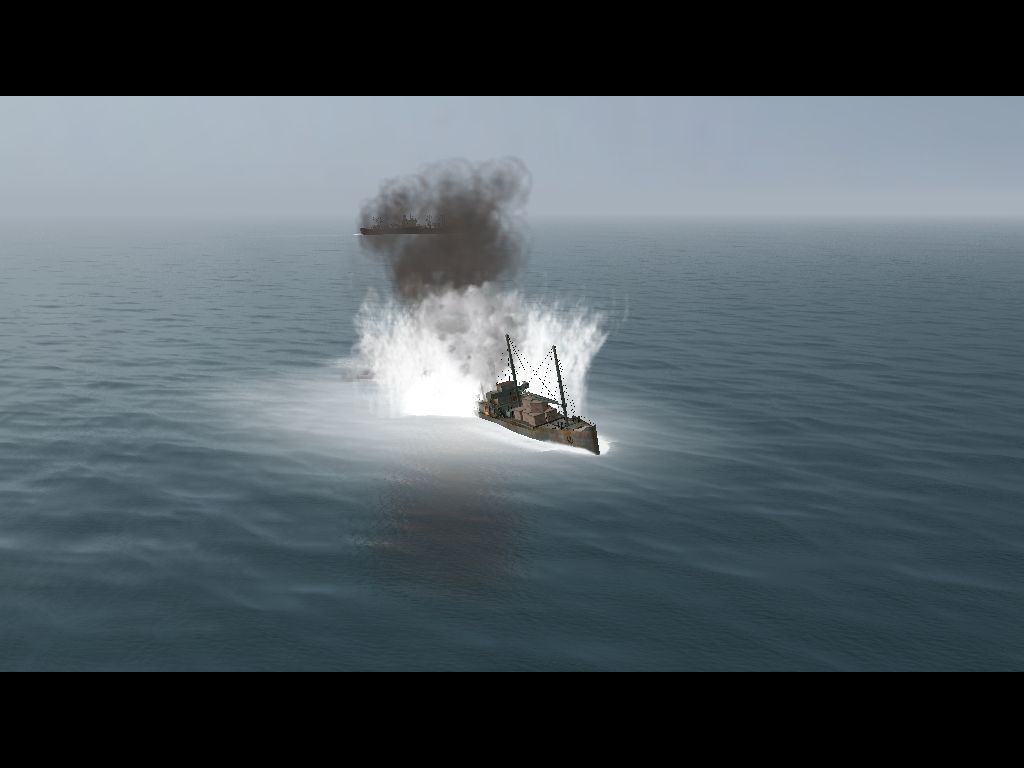
When it launched, Silent Hunter III was praised for pushing pixel shading technology to bring the open ocean to life. Swells and whitecaps roll realistically under shifting daylight, from dawn’s pink horizon to moonlit nights when you must rely almost entirely on passive sonar. The water’s surface reflects distant clouds, and underwater visibility predicates on murky seas or crystal-clear days—a visual cue that directly informs your decisions to dive deep or risk a surface run.
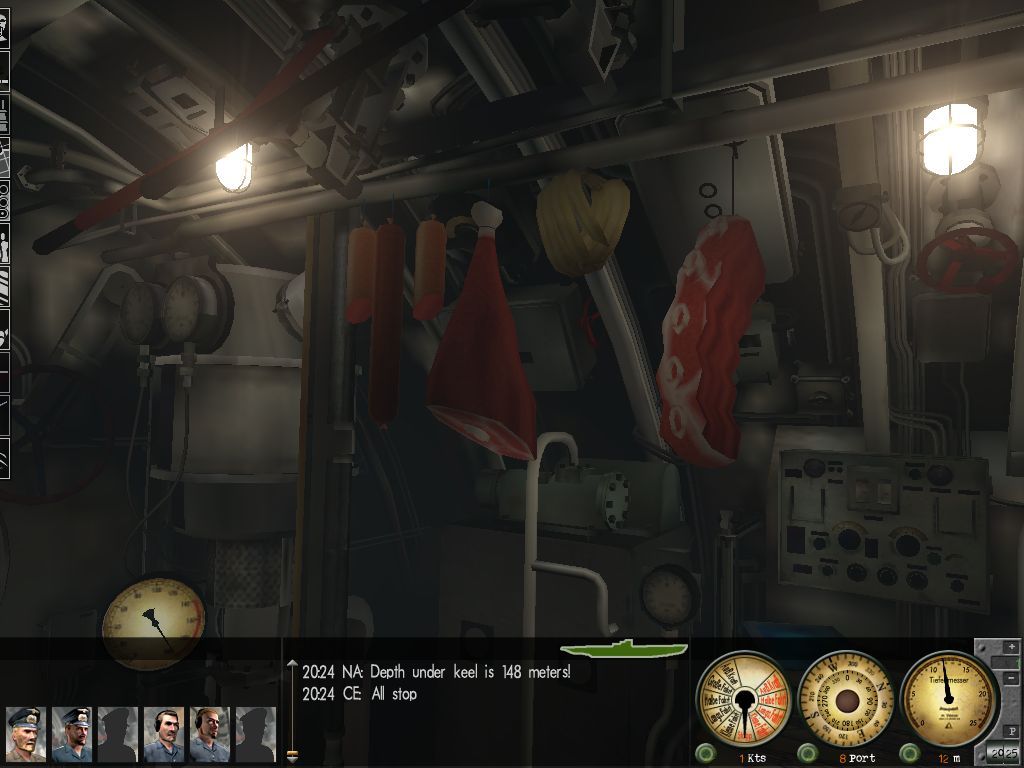
Victims of your torpedo spreads don’t merely list and burn; they shudder under your onslaught. The damage model tracks where shells and torpedoes strike, producing localized flooding, bursts of steam, or catastrophic hull breaches. In some glorious moments, you’ll watch a merchant ship snap in two before disappearing beneath the waves. This attention to detail extends to your own boat: fractures in ballast tanks, flickering control lamps, and the eerie lighting of damaged compartments all heighten immersion.
The periscope and bridge views are particularly noteworthy. Peer through the iconic 7×50 scope with crosshairs that jitter with every swell. On the conning tower’s open deck, the wet deck gun and flak cannon glint realistically, with lens flare effects on the anti-aircraft sights. While some textures have aged compared to modern titles, the overall aesthetic remains evocative, capturing the grim poetry of submarine warfare with atmospheric lighting and weather systems that feel alive.
Story
Silent Hunter III forgoes a scripted narrative in favor of an emergent, player-driven story. Your career is the story—do you begin your first patrol amid the “Happy Time” of early war successes, or join a battered flotilla as Allied air power and radar technology tighten the noose? Each patrol writes its own chapter, shaped by convoy encounters, narrow escapes, and the fates of your crew. The tension of waiting hours underwater for a target convoy fosters greater investment in every decision.
Crew members develop personalities over successive patrols, earning medals, promotions, or memorial plaques if they fail to return. A veteran torpedo officer’s knack for critical hits can be the difference between a successful run and a frustrated fallback on unguided deck gun fire. These human elements—voices over the intercom announcing incoming aircraft or engine damage—add a dramatic thread that static narratives simply cannot replicate. Your relationships with your crew deepen the emotional stakes, turning a routine patrol into a desperate bid for survival.
Historical context is woven seamlessly into the experience. You may intercept authentic convoy escorts like Flower-class corvettes or Broadwater-class destroyers, and your own flotilla’s fortunes reflect real-world events. Occasional radio dispatches from Befehlshaber der U-Boote (BdU) set strategic priorities—wolfpack up, scouting missions down—pulling you further into the strategic ebb and flow of the Battle of the Atlantic. In this way, the game strikes a delicate balance between authentic atmosphere and accessible gameplay, forging a narrative you live rather than merely observe.
Overall Experience
Silent Hunter III remains a seminal title in naval simulation, offering a rare blend of technical depth and cinematic tension. The learning curve can be steep—mastering periscope calculations, hydrophone bearings, and damage control is no small feat—but the game’s adjustable realism settings mean you can ease in at your own pace. Casual players will appreciate the optional assists, while simulation purists can revel in manual targeting and strict fuel limits.
Longevity comes from the dynamic campaign and the “just one more patrol” allure. Even after dozens of hours, the unpredictable nature of convoy routes, weather patterns, and allied countermeasures keeps each mission unique. Multiplayer added another layer of replayability, with coordinated wolfpack runs and friendly-fire dangers when boats accidentally cross reloading lines.
For anyone drawn to World War II history, tactical decision-making, or immersive simulation, Silent Hunter III represents a high watermark of its era. Though newer subsims have built on its foundation, few have matched its combination of emergent storytelling, detailed crew management, and oceanic spectacle. Whether you’re plotting torpedo spreads under 50 feet of cold water or watching a stricken freighter explode at your deck gun’s range, this game delivers an experience that’s as educational as it is exhilarating.



Reviews
There are no reviews yet.