 Retro Replay Retro Replay gaming reviews, news, emulation, geek stuff and more!


Retro Replay Review
Gameplay
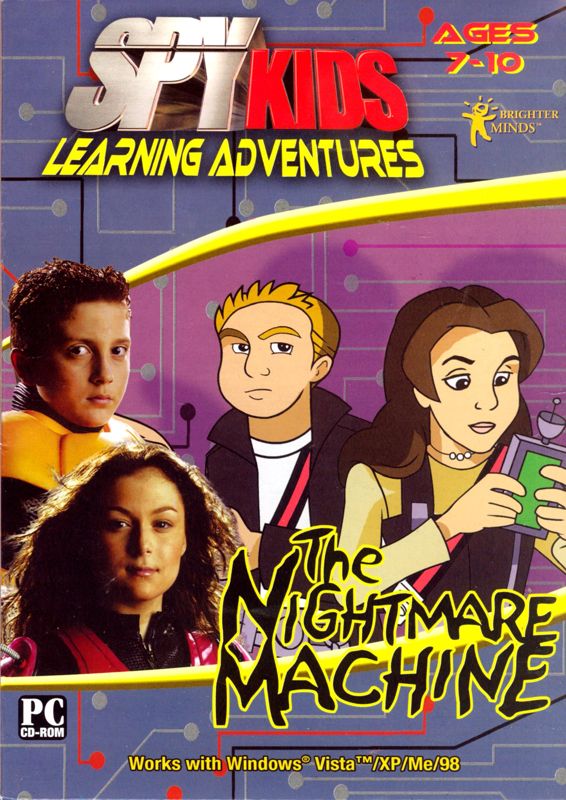
Spy Kids Learning Adventures: Mission: The Nightmare Machine delivers a hybrid gameplay experience that blends traditional puzzle-solving with action‐based minigames. At the core of the adventure is a companion puzzle book—either in printed form or as a downloadable PDF—that integrates math and logic challenges directly into the storyline. As players guide Carmen and Juni through their mission, they will encounter story prompts that require correct puzzle answers to proceed. This innovative mechanic encourages critical thinking and rewards accurate problem solving with narrative progression.
(HEY YOU!! We hope you enjoy! We try not to run ads. So basically, this is a very expensive hobby running this site. Please consider joining us for updates, forums, and more. Network w/ us to make some cash or friends while retro gaming, and you can win some free retro games for posting. Okay, carry on 👍)
Complementing the puzzle book are eight distinct minigames that diversify the gameplay. From “Penguin Path,” where you strategically toss fish to coax flightless birds out of your way, to “Ice Wall,” a classic pair‐matching test of memory and observation, each activity is thematically tied to the Antarctic setting and the Nightmare Machine’s diabolical plot. The variety of challenges ensures that encounters remain fresh, whether you’re spelling words in the “Alphabetical Spire of Doom” or dodging numbered snowballs in “Run In Up The Spire.”
The pacing of the experience strikes a solid balance between cerebral puzzles and light‐action sequences. Younger players will appreciate the clear instructions and intuitive controls in the minigames, while older kids can lean into the more demanding logic problems found in the puzzle book. The inclusion of timed sequences—such as maneuvering across moving ice floes in the “Jump the Ice Floes” Frogger‐style level—adds a gentle sense of urgency without overwhelming the educational focus.
Graphics
The visual presentation of Mission: The Nightmare Machine is styled like a vibrant, animated comic book, complete with dynamic panels, speech bubbles, and on‐screen action cues. This art direction enhances the Spy Kids franchise’s cartoonish charm, making each new location—from deep Antarctic ice caverns to the inner chambers of the Nightmare Machine—feel both whimsical and immersive. Bright color palettes and bold outlines keep the environments visually distinct and engaging for younger audiences.
Character animations for Carmen and Juni are fluid and expressive, capturing both their confident spy personas and moments of lighthearted humor. Transitions between cutscenes and gameplay are smooth, and comic‐style sound effects (such as “PRRRT” for a gadget deployment) punctuate key actions in a playful way. Although the graphics engine isn’t cutting edge by modern console standards, it perfectly serves the educational platform and maintains consistent performance even on lower‐spec machines.
Minigame interfaces are clear and uncluttered, with intuitive icons and on‐screen prompts guiding players through objectives. The simplicity of the UI ensures that players spend more time engaging with puzzles and challenges rather than wrestling with menus. Overall, the art and animation work together seamlessly to support the game’s dual goals of fun and learning.
Story
The narrative thrust of The Nightmare Machine revolves around a sinister device hidden in the Antarctic that broadcasts nightmares to adults worldwide, leaving the planet’s denizens sleep‐deprived and vulnerable. Superiors in the Spy Kids organization dispatch siblings Carmen and Juni on a top‐secret mission to shut down the machine before global rest becomes an impossibility. This high‐concept premise sets the stage for a light but engaging storyline that drives the player from one puzzle or minigame to the next.
Story segments are delivered in short, comic‐style panels that strike a good balance between exposition and forward momentum. Dialogue is snappy and character‐driven, allowing each Spy Kid’s personality to shine without becoming overly verbose. While the plot doesn’t take any unexpected turns, it maintains consistent engagement through varied set pieces—from stealthy infiltration of Antarctic bases to face‐offs against ice giants in “Antarctic Gothic.”
Integration of learning elements into the story feels organic rather than forced. For instance, solving a logic puzzle in the accompanying book can disable security lasers, while beating a matching game helps Carmen and Juni secure keycard codes. This seamless intertwining of narrative stakes and educational objectives ensures that players remain invested in both the plot and the tasks at hand.
Overall Experience
Spy Kids Learning Adventures: Mission: The Nightmare Machine stands out as an educational title that doesn’t compromise on entertainment value. By marrying a lighthearted spy caper with carefully crafted math and logic challenges, it appeals to a broad age range—particularly elementary‐aged children who will relish the hands‐on puzzle book and interactive minigames. Parents and educators will appreciate the curriculum‐aligned content, which reinforces critical thinking and problem‐solving skills in a playful context.
The game’s strengths lie in its variety of gameplay modes, comic‐book visual style, and accessible learning framework. Although expert players may find the puzzles on the easier side, the adjustable challenge comes from timed minigames and the occasional tricky logic scenario. Replaying specific minigames to improve times or mastery of puzzles adds replay value, making it more than a one‐off educational exercise.
In conclusion, Mission: The Nightmare Machine is a thoughtfully designed title that delivers on both fun and learning fronts. Its charming graphics, varied gameplay, and cohesive storyline make it an excellent pick for families seeking an interactive way to reinforce academic skills. The Spy Kids franchise continues to prove that educational games can be as entertaining as they are enriching.


Reviews
There are no reviews yet.