 Retro Replay Retro Replay gaming reviews, news, emulation, geek stuff and more!
Retro Replay Review
Gameplay
Strangers offers a deceptively simple control scheme that feels instantly familiar. You guide an interstellar traveler and his loyal canine companion, Columbus, across the dusty terrain of an uncharted world. With basic movement, a jetpack boost, and a single firing mechanic, the game removes unnecessary complexity and focuses on the purity of experimentation.
(HEY YOU!! We hope you enjoy! We try not to run ads. So basically, this is a very expensive hobby running this site. Please consider joining us for updates, forums, and more. Network w/ us to make some cash or friends while retro gaming, and you can win some free retro games for posting. Okay, carry on 👍)
In its brief two-minute runtime, Strangers manages to deliver surprising depth. Each action—whether it’s hopping atop a boulder with your jetpack or firing a shot into the horizon—teaches an unwritten lesson in game logic. The pacing, while rapid, encourages replayability; you’ll find yourself inching forward more cautiously or boosting more boldly on subsequent attempts.
While the lack of enemies or overt objectives might raise eyebrows, it’s clear the developers intended this as a hands-on seminar in interactive design. Every jump and every shot carries didactic weight, pushing players to question why certain mechanics exist and how they shape our understanding of virtual worlds. For a two-minute experience, Strangers delivers memorable interactivity.
Graphics
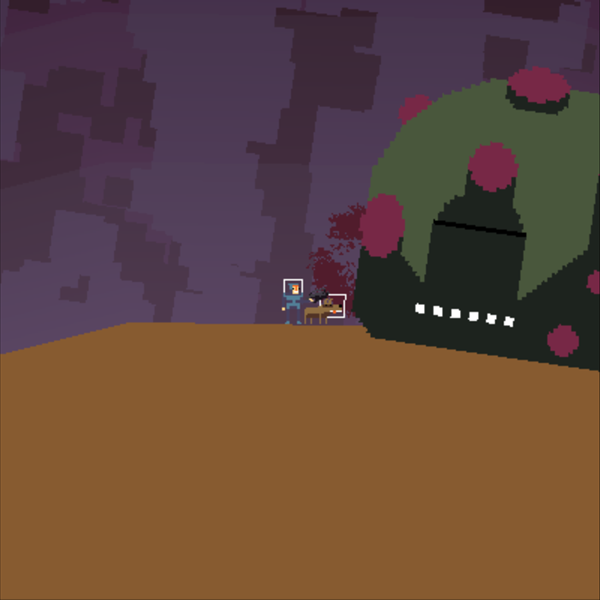
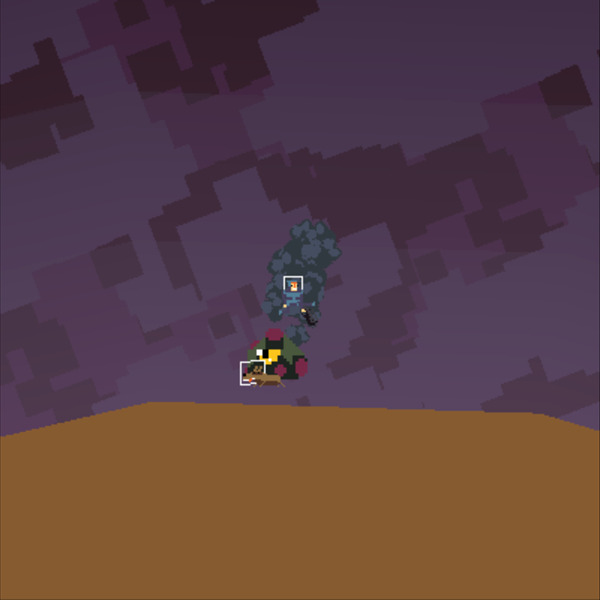
Graphically, Strangers adopts a minimalist aesthetic that highlights its pedagogical ambition. The sparse landscape is rendered in flat, muted colors, evoking both alien desolation and a chalkboard’s blank canvas. This design choice keeps players’ focus on the mechanics rather than elaborate visual flair.
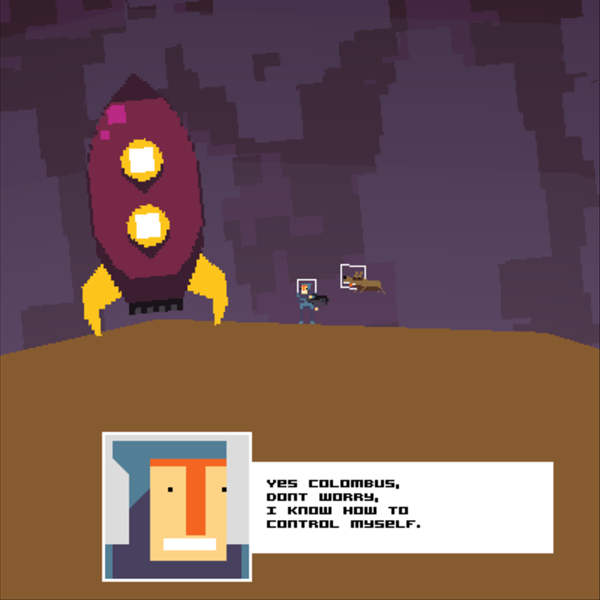
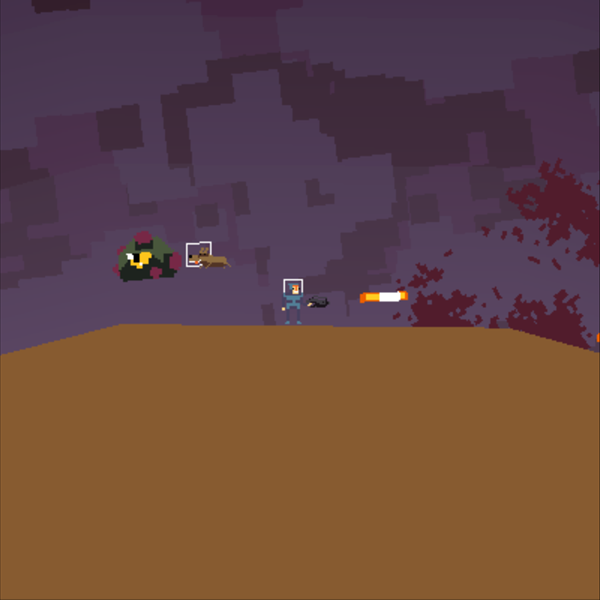
Character models are simple but expressive: the astronaut’s suit contrasts sharply with the planet’s dusty red soil, and Columbus the dog is rendered with just enough detail to convey loyalty and curiosity. Subtle particle effects from the jetpack and muzzle flash from the pistol add visual punch without overwhelming the scene.
Despite the minimalist style, environmental design hints at a larger world beyond the two-minute exercise. Craters, distant rock spires, and gentle rolling hills create the illusion of a living planet waiting to be explored. These sparse but evocative elements succeed in sparking the player’s imagination far beyond the game’s actual duration.
Story
At first glance, Strangers reads like a simple exploration exercise, but it carries an understated narrative ambition. The premise—an astronaut and his dog landing on an alien planet—feels both familiar and ripe with untapped potential. Without text or dialogue, the story unfolds through player action, inviting you to fill in the gaps.
The developer’s stated goal of teaching “something about humanity” resonates in these silent moments. As you push forward, every leap and every shot becomes a metaphor for curiosity, risk-taking, and the unknown consequences of exploration. Columbus’s presence adds emotional weight; a reminder that even in the void of space, companionship persists.
While Strangers doesn’t deliver a conventional plot arc, its narrative subtext lingers. The decision to omit voices and cutscenes forces you to internalize the themes of solitude and wonder. In just two minutes, the game encourages reflection on human drive and the bonds we form, even in the most alien circumstances.
Overall Experience
Strangers is not a blockbuster title, nor does it aspire to be one. Instead, it shines as a concise, thought-provoking showcase of core game design principles. If you approach it expecting a traditional adventure, you may feel underwhelmed; but if you’re curious about the building blocks of interactivity, this two-minute journey delivers in spades.
The absence of in-game audio initially feels jarring, yet the included MP3 soundtrack recommendation fills that gap beautifully. Syncing the ambient track with your playthrough deepens immersion, transforming the minimalist visuals and mechanics into a cohesive art piece. It’s a clever workaround that underscores the game’s experimental spirit.
Ultimately, Strangers succeeds as an educational artifact and a fleeting, memorable taste of adventure. It’s perfect for developers, students, or anyone keen to examine the mechanics that underpin more complex games. At just two minutes long, it’s a time investment even the busiest player can afford—and one that might alter the way you think about game design forever.


Reviews
There are no reviews yet.