 Retro Replay Retro Replay gaming reviews, news, emulation, geek stuff and more!




Retro Replay Review
Gameplay
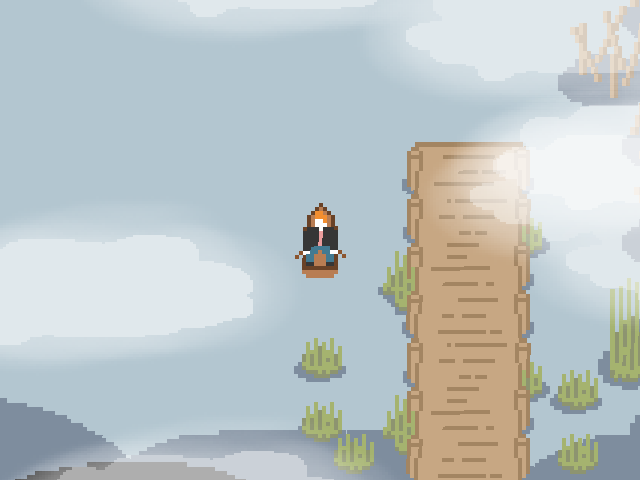
The Lake offers a deceptively simple gameplay loop: you take control of a small boat and row across a mist-shrouded lake in search of something hidden beneath its still waters. Using basic keyboard controls, the player navigates the top-down perspective at a leisurely pace, allowing for moments of reflection as well as mounting tension. Despite the minimal input required—essentially just the arrow keys or WASD—each stroke of the oars feels weighty, grounding the player in the eerie atmosphere.
(HEY YOU!! We hope you enjoy! We try not to run ads. So basically, this is a very expensive hobby running this site. Please consider joining us for updates, forums, and more. Network w/ us to make some cash or friends while retro gaming, and you can win some free retro games for posting. Okay, carry on 👍)
Designed in just three days for the TIGSource Commonplace Book competition, The Lake doesn’t aim to overwhelm with complex mechanics or lengthy skill trees. Instead, it focuses on delivering a single, concise interactive moment that can be experienced in under one minute. This brevity is intentional, inviting the player to replay and seek out subtle shifts in the environment or narrative clues that may have been missed on the first pass.
While the core gameplay loop is short, the sense of exploration is heightened by the unknown. There’s no map, no HUD markers, and no clear objectives beyond “venture forth.” This minimalism serves the Lovecraftian themes drawn from H. P. Lovecraft’s Commonplace Book: isolation, curiosity, and the creeping dread of the unfamiliar. Even if you finish in sixty seconds, you’ll be compelled to return and see if there’s more lurking beneath the surface.
Graphics
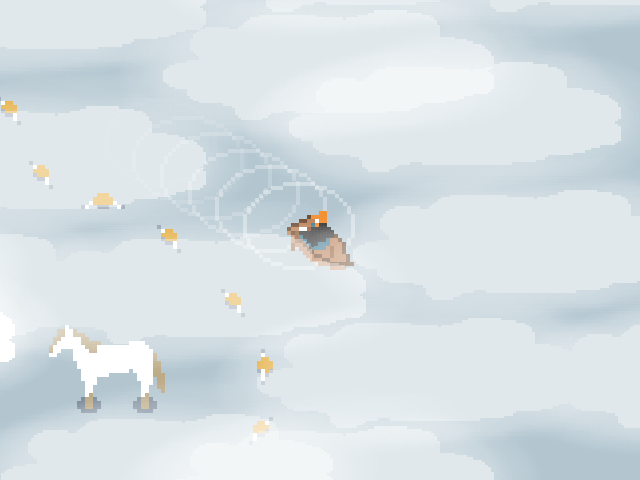
Visually, The Lake employs restrained 2D art produced in Construct, but what it lacks in high-end polish it more than makes up for in atmosphere. The top-down vista of the dark water and surrounding foliage is rendered in muted blues and grays, creating a sense of oppressive calm. Ripples emanate from the boat’s oars, subtly animated to remind you that the world around you is alive, even if it feels deserted.
Shadows and light play an important role in conveying mood. The dim glow around the boat contrasts with the darker peripheries of the lake, suggesting that danger—or revelation—may lie just out of sight. Given the three-day development cycle, it’s impressive how cohesive the visuals feel: every pixel seems chosen to reinforce the game’s haunting ambiance.
Although there are no lush environments or photorealistic water effects, the minimalist artstyle aligns perfectly with the game’s short runtime and narrative focus. This aesthetic choice also allows the player’s imagination to fill in gaps, amplifying the psychological tension in a way that more elaborate graphics might dilute.
Story
The Lake’s narrative is woven seamlessly into its gameplay. After a brief narrated introduction, you’re left alone on the water with only a vague sense of purpose. The voiceover—richly delivered—presents a snippet of Lovecraftian lore before fading away, leaving the player to interpret the rest through environmental cues and personal imagination.
There’s no text logs, side quests, or lengthy cutscenes. Instead, the story unfolds organically as you row: perhaps you glimpse a strange shape beneath the surface, or hear an unsettling echo on the wind. These small moments build toward a singular climax that, when reached, lingers in the mind long after the credits roll.
By drawing inspiration from H. P. Lovecraft’s Commonplace Book, The Lake taps into themes of the unknown and cosmic dread. Even in its extreme brevity, the game manages to evoke a sense of discovery—and dread—that is remarkably potent. It’s less about delivering a full narrative arc and more about eliciting a visceral emotional response.
Overall Experience
Playing The Lake is akin to reading a very short horror flash fiction: it’s quick, intense, and leaves you wanting more. At under one minute to complete, it’s not a conventional purchase for hours of entertainment, but rather a distilled, experimental piece ideal for fans of interactive art and Lovecraftian mystery.
The game’s greatest strength lies in its economy of design. In just a few strokes of narration and a handful of rowing controls, it captures the essence of atmospheric dread. It stands as a testament to what can be achieved in rapid prototyping when narrative and mechanics align flawlessly.
For anyone curious about the intersection of indie game development and literary inspiration, The Lake is a must-experience. It’s an evocative, spine-tingling exercise in brevity that rewards repeated playthroughs. While it won’t satisfy those seeking expansive worlds or lengthy campaigns, it offers a memorable vignette that lingers like the ripple of a rowing paddle across dark water.


Reviews
There are no reviews yet.