 Retro Replay Retro Replay gaming reviews, news, emulation, geek stuff and more!


Retro Replay Review
Gameplay
The Museum of Broken Memories unfolds as a minimalist point-and-click adventure, inviting players to explore five distinct wings of a surreal museum. Each “Room” presents a unique set of hotspots—sometimes pixel-small—and clicking reveals fragments of text, sprinkles of lore, or triggers new pathways. The core loop revolves around careful observation: no hint logging, no map, just your cursor against richly detailed backgrounds. This design demands patience, but offers genuine delight when a previously inert corner of the screen springs to life.
(HEY YOU!! We hope you enjoy! We try not to run ads. So basically, this is a very expensive hobby running this site. Please consider joining us for updates, forums, and more. Network w/ us to make some cash or friends while retro gaming, and you can win some free retro games for posting. Okay, carry on 👍)
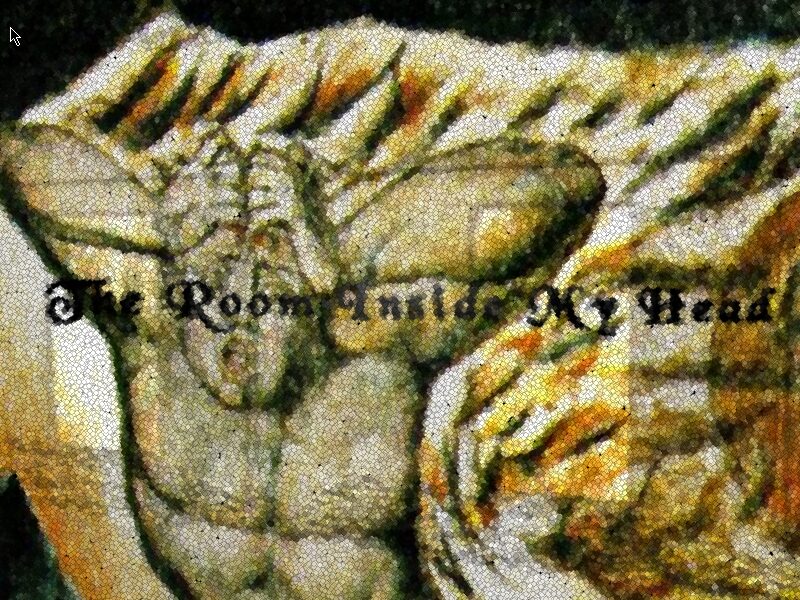
Non-linear progression underscores the game’s thematic ambition. Players can tackle the Door Room (the Room Inside My Head) one moment, then drift to the Room of Ruins or the Fever Room the next. This freedom to chart your own course resonates with the museum metaphor: like an afternoon at a real gallery, you can wander in any order, bumping into surprises at each turn. Yet, be warned—some hotspots only unlock after you’ve triggered events elsewhere, so it’s wise to revisit every nook once new fragments fall into place.
True to visual‐novel traditions, The Museum of Broken Memories uses text boxes as both narrative device and puzzle element. Explanatory snippets often raise more questions than answers, feeding a sense of continuous discovery even when you’re merely clicking dead ends. Frustration can mount—especially in the Dark Room’s pixel-hunting sequence—but the payoff is a palpable sense of unearthing hidden meanings. Hardcore adventurers will relish this challenge; casual players might want to set aside extra time for exploration.
Graphics
Jonas Kyratzes’s artistic vision shines through in each exhibition wing with wildly different visual registers. The Door Room brims with stark, high-contrast pixel art, evoking a claustrophobic interior landscape, while the Room of Ruins bathes you in decaying grandeur—crumbling columns and overgrown mosaics rendered in muted earth tones. Each space feels handcrafted, as if the museum itself were a living being wearing many masks.
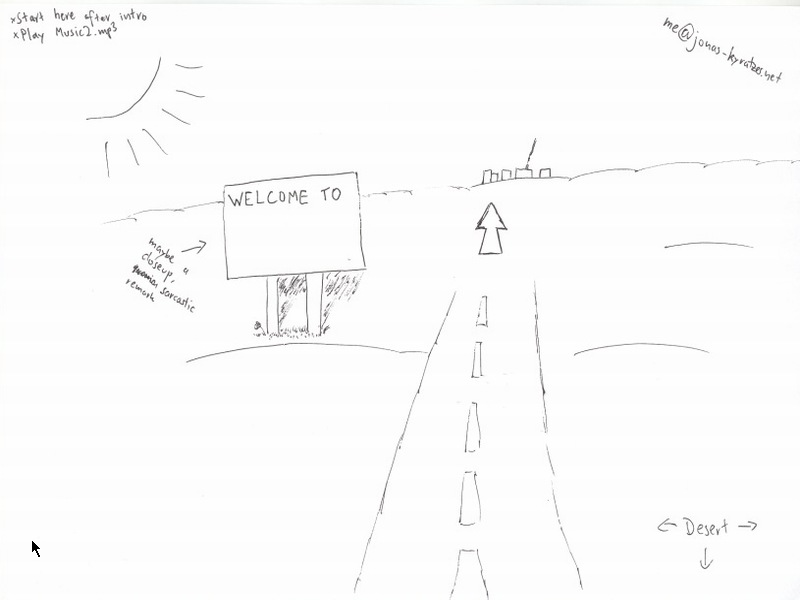
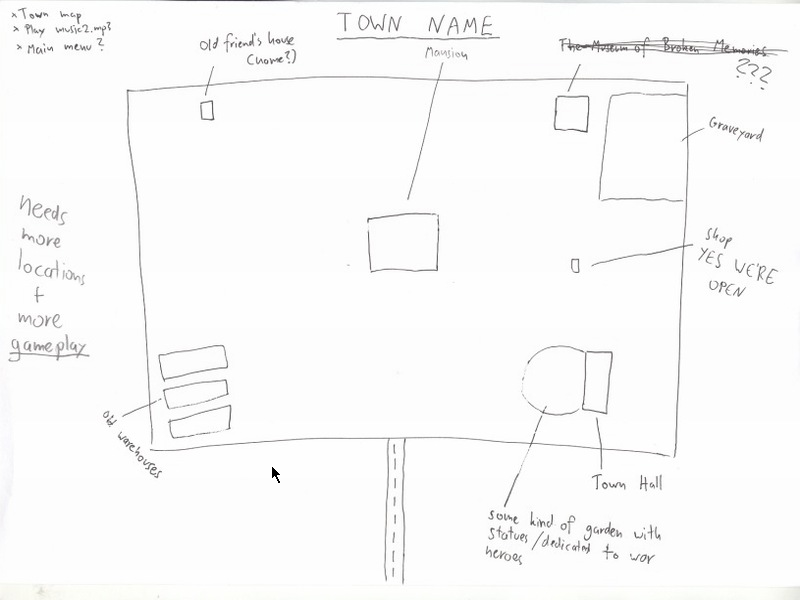
The Fever Room subverts expectations with a color-desaturated palette that flickers like an old film reel, warped by digital static and surreal distortions. Water accumulates at your feet, skewing reflections and distorting familiar shapes into unsettling apparitions. Meanwhile, the Room of Notes deliberately roughs up its aesthetics, presenting handwritten sketches and diary-page layouts as interactive backdrops. It’s rough around the edges, but that rawness underlines the game’s themes of unfinished ideas and creative frustration.
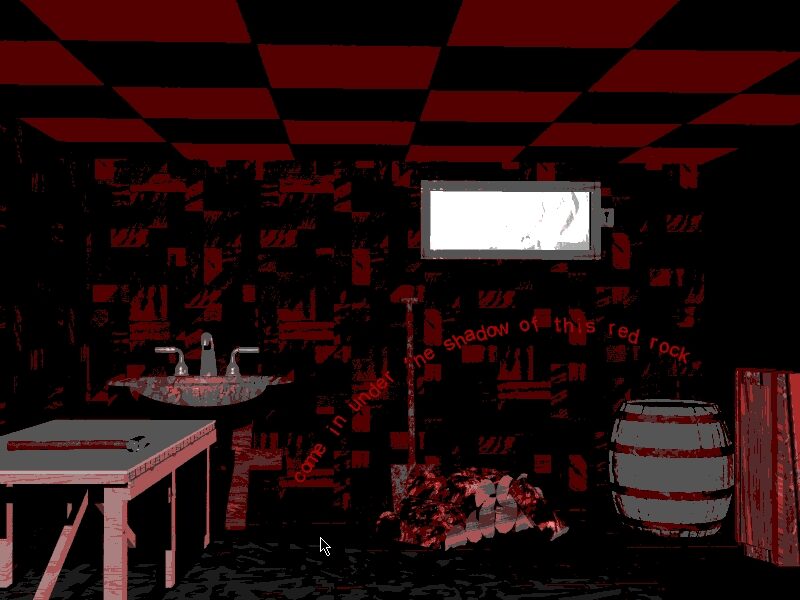
Textures and lighting are used sparingly but effectively. Shadows in the Dark Room crawl across the floor, making each pixel search feel like a venture into darkness. Tiny flourishes—a beam of dusty light, an ominous ink blot, a whisper of fog—heighten the game’s moody atmosphere. These visual cues pay homage to the visionary painter William Blake’s prophetic verses, rendering each exhibition into a miniature canvas of broken dreams and buried hopes.
Story
At its heart, The Museum of Broken Memories is an exercise in metaphor. A frustrated game author, struggling to unify his “burgeoning ideas,” constructs this museum to house fragments of unfulfilled narratives. Each wing symbolizes facets of his psyche: the Door Room as a quest for escape, the Room of Ruins as a lament for lost potential, and so on. While these thematic beds echo T.S. Eliot’s Wasteland in their desolate poetry, they also weave in Blake’s visionary critique of creativity’s pitfalls, especially his concept of Urizen—the chained mind.
The individual fragments themselves rarely coalesce into a conventional plot. Instead, they offer tantalizing glimpses: a diary entry about tormentors, a ruined cityscape pregnant with regret, fever-dream imagery of watery halls. It’s less a story with a beginning-to-end arc and more a mosaic of emotional snapshots. For players expecting a tidy conclusion, the lack of narrative closure can feel unsatisfying. But for those who relish interpretive depth, every cryptic line and shifting perspective becomes a seed for personal reflection.
References to Blake and Eliot aren’t mere decorations but structural pillars. Lines whispered in hallways echo “April is the cruellest month,” while glimpses of chained figures call to mind Blake’s Urizenian worlds. The museum’s framing device—allowing you to step in and out at will—mirrors the nonlinear structure of The Wasteland poem, encouraging you to connect shards of meaning through thematic resonance rather than explicit exposition.
Overall Experience
Playing The Museum of Broken Memories feels akin to wandering an art installation that straddles the line between gallery tour and psychoanalytic session. It rewards meticulous exploration and thematic curiosity far more than it does reflexive puzzle-solving. If you’re drawn to contemplative adventures that prioritize mood, metaphor, and literary allusion over hand-holding, this game will linger in your mind long after you’ve closed the door on its exhibitions.
That said, pacing can be uneven. The Dark Room’s pixel hunt borders on masochism, and the scattered notebooks in the Room of Notes may frustrate players unaccustomed to raw, unpolished design. But these rough edges also underscore the game’s central motif of broken ideas seeking form. Each wing, though imperfect, contributes to a larger tapestry that asks: What becomes of stories abandoned before they’re fully told?
Ultimately, The Museum of Broken Memories is not an experience to be rushed. It’s best savored in quiet moments, perhaps with a notebook in hand to jot down your own associations. Whether you come for the haunting visuals, the literary echoes of Eliot and Blake, or the challenge of unearthing cryptic hotspots, you’ll find a game that defies easy categorization—and, in doing so, offers a rare chance to explore the fractured corners of creative imagination.


Reviews
There are no reviews yet.