 Retro Replay Retro Replay gaming reviews, news, emulation, geek stuff and more!


Retro Replay Review
Gameplay
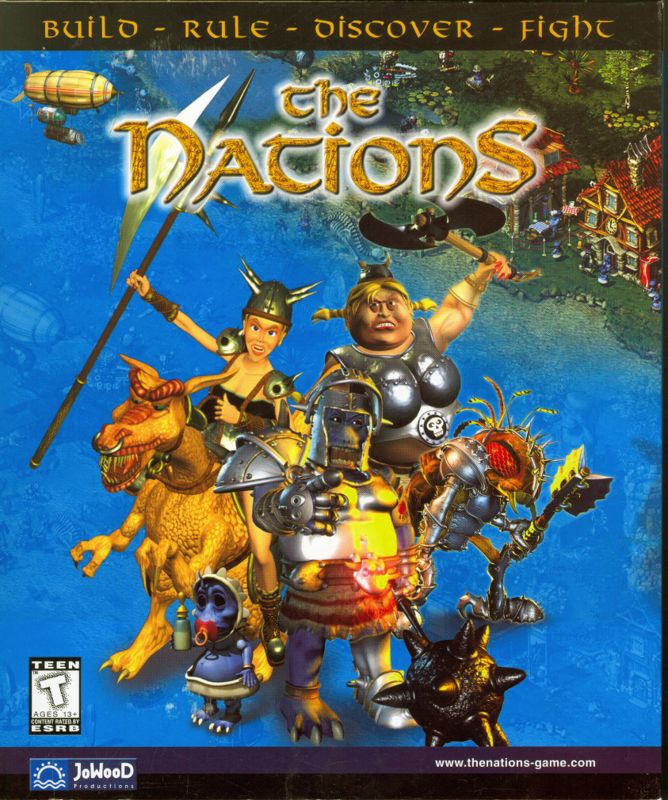
The Nations places you at the helm of one of three unique tribes—the Amazons, the Pimmons, or the Sajikis—and challenges you to build, trade, and govern rather than merely wage war. From the very first settlement, you’ll find yourself balancing wood, stone, and food production to keep your citizens content while expanding your influence. The real-time strategy framework encourages a steady rhythm of construction, shipment scheduling, and diplomatic maneuvering, creating a playing field where a well-timed trade agreement can be as powerful as a military conquest.
(HEY YOU!! We hope you enjoy! We try not to run ads. So basically, this is a very expensive hobby running this site. Please consider joining us for updates, forums, and more. Network w/ us to make some cash or friends while retro gaming, and you can win some free retro games for posting. Okay, carry on 👍)
Diplomacy and trade are woven deeply into the core mechanics. Instead of relying on brute force, you can forge alliances, adjust resource flows, and negotiate treaties that benefit both parties. This dynamic allows for creative problem-solving: perhaps your forest is overrun and you’d rather import timber from a friendly neighbor than cut it yourselves. Meanwhile, impressing other tribes through lavish gifts or cultural exchanges can unlock new technologies and boost your prestige, opening up even more strategic avenues to explore.
For players who enjoy micromanagement, The Nations offers layers of depth in city planning and resource chains. You’ll assign workers to specialized buildings, oversee production schedules, and optimize trade routes across a lightly contested map. While the learning curve is approachable, mastering the intricate balance between population growth, resource scarcity, and diplomatic relations can be immensely satisfying, ensuring each new playthrough feels fresh and challenging.
Graphics
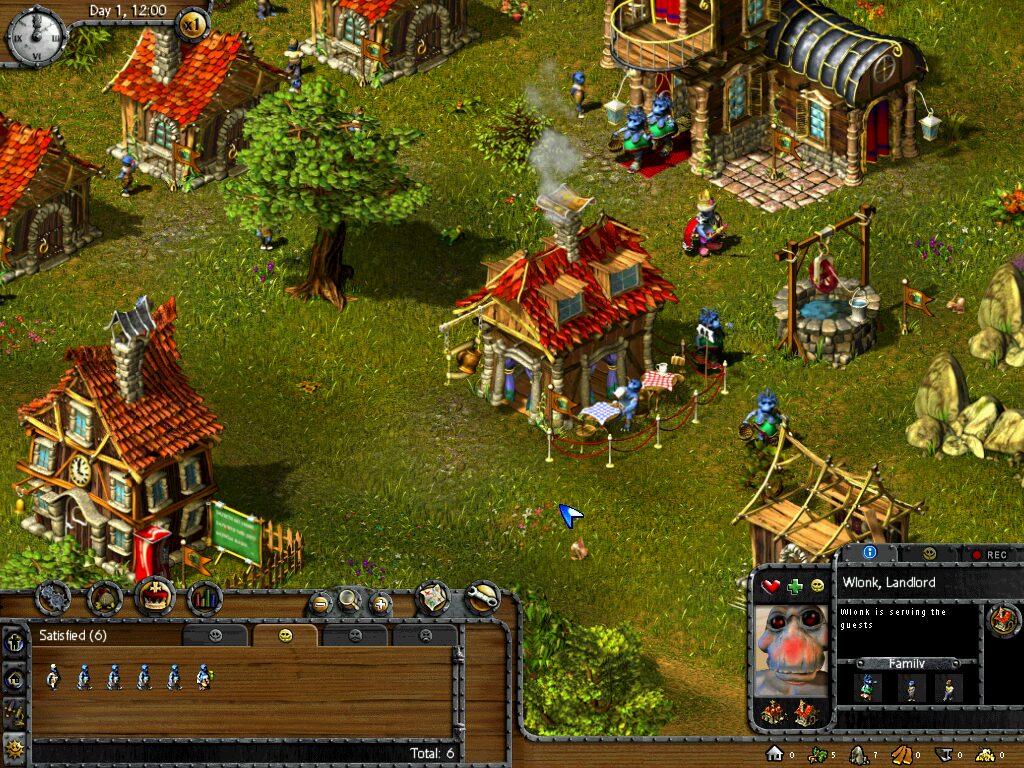
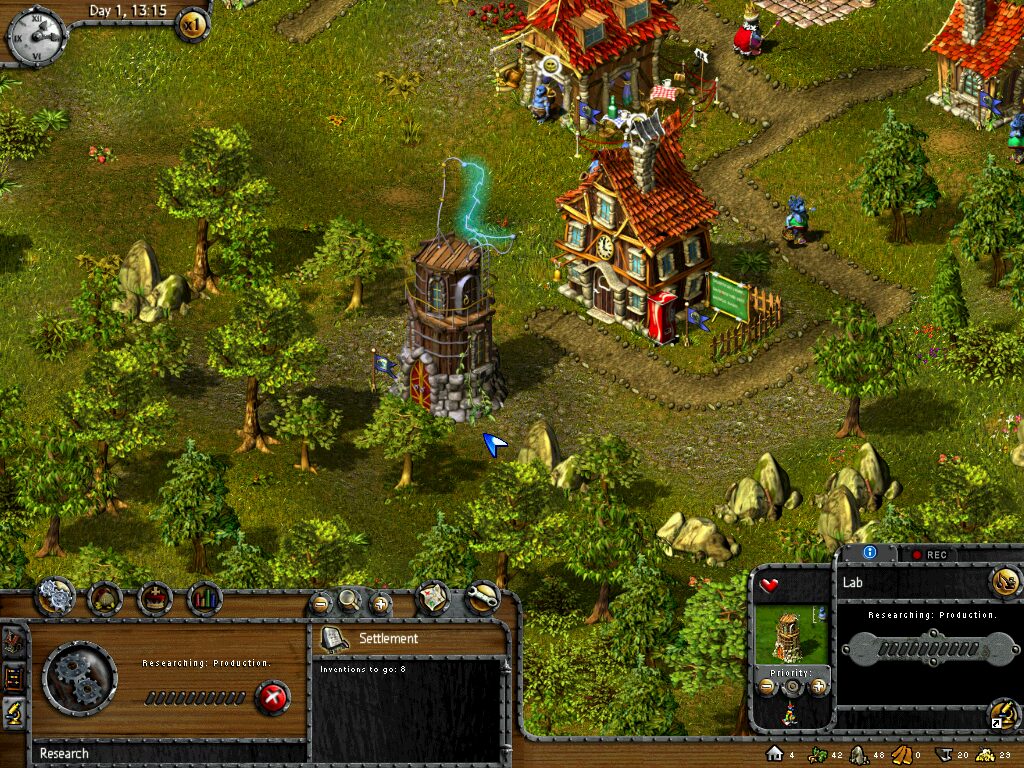
The Nations employs colorful, isometric 2D graphics that give each tribe a distinctive visual identity. The Amazons’ lush wooden huts, the Pimmons’ stone fortifications, and the Sajikis’ ornate tents each feature charming animations and fine details that bring the world to life. Though the engine is not cutting-edge by modern standards, its clarity and readability make it easy to track units, resources, and buildings at a glance.
Animations are smooth and purposeful; workers lumbering through forests, merchants guiding caravans, and traders exchanging goods at border crossings all add to the sense of a living world. Special effects—like banners waving in the breeze when you sign a treaty or smoke curling from a newly built forge—enhance the atmosphere without overwhelming the screen. The modest system requirements also mean that performance remains consistent even when your empire sprawls across multiple regions.
The user interface is straightforward and intuitive, with icons and tooltips that explain each building’s function and the resources it requires. While some menus feel a touch dated, they’re organized logically, allowing you to zoom in on city details or zoom out to view global trade networks in a few clicks. Overall, the graphics and UI design work together to support the core gameplay, keeping you focused on strategy rather than fiddly controls.
Story
As a sequel to Alien Nations, this installment expands the narrative backdrop by deepening each tribe’s lore and introducing new diplomatic scenarios. Though The Nations does not follow a rigid, linear storyline, it offers a series of campaign objectives that frame your strategic decisions within a loose but engaging plot. Whether you’re negotiating peace between rival clans or racing to collect rare artifacts, each mission feels purposeful.
The Amazons, Pimmons, and Sajikis each come with their own historical tensions and cultural quirks, which are conveyed through brief cutscenes and in-game events. These moments add flavor and context to your actions, reminding you that behind every trade deal or building project lies a people with hopes and traditions. The dialogue is lighthearted but occasionally dips into more serious political intrigue, giving the narrative a welcome variety of tones.
Although the story isn’t the main focus, it provides enough motivation to keep players invested through multiple scenarios. Random events—such as famines, caravans arriving unannounced, or diplomatic crises—add narrative spice and ensure no two campaigns unfold exactly the same way. For those who enjoy emergent storytelling within a strategic framework, The Nations delivers just the right balance of plot and player-driven action.
Overall Experience
The Nations stands out in the RTS genre by prioritizing economy and diplomacy over military conquest. Its robust resource management system, combined with flexible win conditions—ranging from commercial dominance to cultural influence—means that every playstyle can find its niche. Whether you relish the challenge of cornering the timber market or forging an unbreakable alliance, the game’s varied mechanics enable you to craft your own path to victory.
Replayability is high, thanks to the three distinct tribes and multiple strategic approaches. Randomized maps and event triggers keep each session unpredictable, encouraging experimentation rather than rote play. The moderate learning curve makes the title accessible to newcomers, while the depth of its economic systems offers long-term appeal for seasoned strategy veterans.
In sum, The Nations is an engaging blend of resource strategy, diplomatic intrigue, and light storytelling that will appeal to players tired of combat-centric RTS titles. Its polished graphics, intuitive interface, and flexible victory conditions make it a strong recommendation for anyone seeking a more cerebral approach to empire-building. If you enjoy managing trade routes, negotiating treaties, and watching your civilization thrive through clever planning, The Nations is ready to welcome you to its world.


Reviews
There are no reviews yet.