 Retro Replay Retro Replay gaming reviews, news, emulation, geek stuff and more!



Retro Replay Review
Gameplay
The Witcher delivers a combat system that feels both familiar and refreshingly original. At its core is a timing-based combo mechanic: clicking at precise moments triggers follow-up strikes, turning each skirmish into an interactive dance. The three distinct fighting styles—quick, heavy, and group—encourage you to read enemy patterns and adapt on the fly. Quick style is ideal for nimble foes, heavy style punishes slower adversaries with crushing blows, and group style lets you clear out swarms of lesser monsters in one sweeping arc.
(HEY YOU!! We hope you enjoy! We try not to run ads. So basically, this is a very expensive hobby running this site. Please consider joining us for updates, forums, and more. Network w/ us to make some cash or friends while retro gaming, and you can win some free retro games for posting. Okay, carry on 👍)
Weapon choice plays a critical role in every encounter. Geralt wields two swords: a steel blade for human and mundane threats, and a silver sword for supernatural creatures. Learning when to switch between them is essential, especially as you face increasingly varied bestial and magical opponents. The need to anticipate enemy weaknesses and plan your equipment loadout lends a strategic layer to what might otherwise feel like a simple hack-and-slash experience.
Character progression in The Witcher is both deep and flexible. Experience points can be invested in combat skills, alchemical recipes, and magical signs. Alchemy, in particular, transforms Geralt into a resourceful explorer: brewing potions, oils, and bombs that confer dramatic advantages in battle. Magic signs—simple spells that range from protective shields to telekinetic pushes—add another dimension, allowing you to tailor Geralt’s build to your preferred playstyle.
Perhaps the most compelling element of the gameplay is the moral choices you must make. Decisions often carry delayed consequences: spare a tortured soul in Act I, and they might repay your kindness later in a pivotal moment. This branching structure keeps you on your toes, underscoring that in The Witcher’s world, ethics are as important as swordsmanship and sorcery. Every combat encounter and conversation can ripple outward, impacting alliances, outcomes, and even Geralt’s reputation.
Graphics
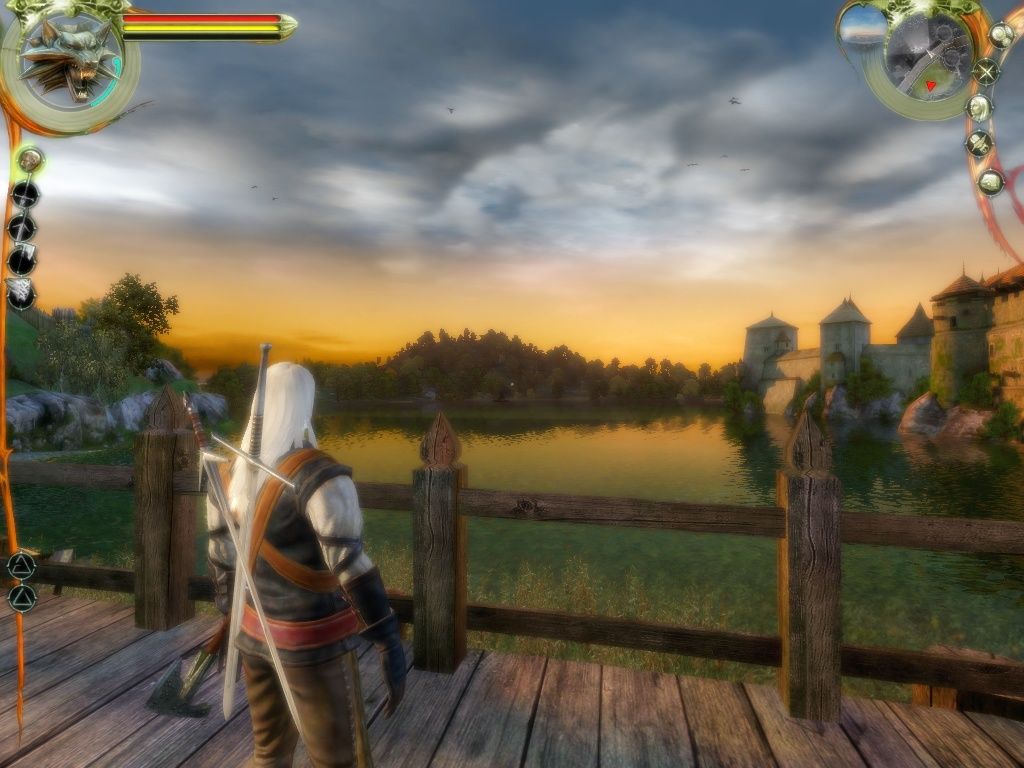
Powered by a heavily modified Neverwinter Nights engine, The Witcher’s visuals aim to evoke the gritty atmosphere of Sapkowski’s novels. The world is painted in muted tones—rain-soaked cobblestone streets, shadowy forests, and torch-lit castles—that reinforce the sense of a dark fantasy realm. Dynamic lighting and weather effects help immerse you in the environment, whether you’re trudging through a foggy swamp or exploring the dimly lit hallways of Kaer Morhen.
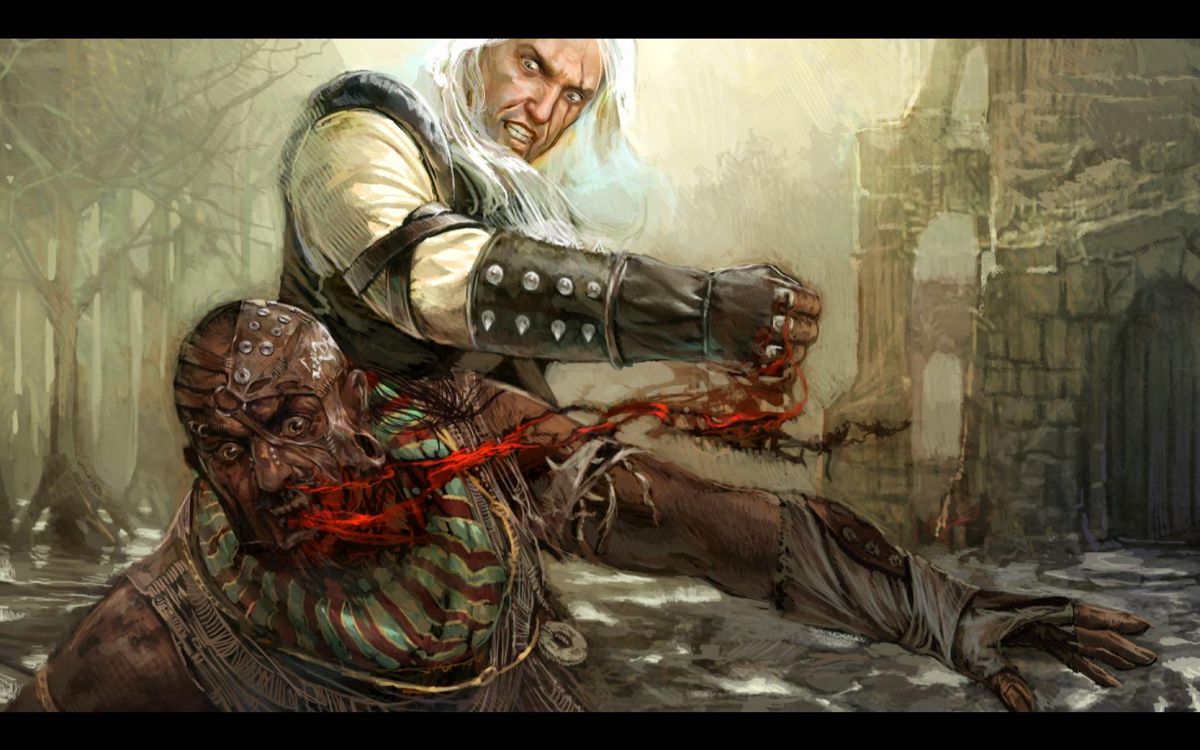
Character models demonstrate clear attention to detail. Geralt’s scarred face, chiseled features, and flowing white hair bring the legendary witcher to life, while NPCs—from ragged peasants to robed sorcerers—display unique costumes and animations. Combat animations are fluid, with each style exhibiting distinct stances and swings. Though some facial animations can feel stiff during dialogue, the strong art direction compensates, making the world feel lived-in and coherent.
Environmental variety is one of The Witcher’s graphical strengths. From the quarantined alleys of Vizima to the rolling fields beyond its walls, each locale boasts handcrafted props and ambient details. Lighting transitions—such as the glow of an alchemical station or the sparks from a flaming arrow—are particularly effective, heightening tension during key story moments. Despite occasional draw-in or frame-rate dips on lower-end hardware, the game remains visually engaging throughout its campaign.
Story
Based on the books by Polish fantasy master Andrzej Sapkowski, The Witcher weaves its narrative around Geralt of Rivia, an amnesiac monster-slayer trying to piece together his past. You begin the adventure as Geralt wakes in Kaer Morhen after a brutal ambush by the enigmatic Salamandra. Two masterminds—“Professor” and the sorcerer Azar Javed—escape with the witchers’ secrets, setting Geralt on a cross-continental hunt for answers.
The game’s world is unapologetically dark. Themes of war, poverty, genocide, and religious fanaticism pervade every conversation and side quest. Non-humans such as elves and dwarves endure prejudice and violence, creating moral gray areas in the choices you face. Will you protect the oppressed or side with the powerful? These ethical dilemmas are never black and white, underscoring Sapkowski’s vision of a morally complex universe where heroism can be a matter of perspective.
Dialogue in The Witcher feels weighty and nuanced. Conversations unfold with branching options that can lead to reveals, alliances, or outright conflict. The script captures the tone of Sapkowski’s writing—wry humor, biting cynicism, and occasional moments of genuine warmth. As Geralt, you’ll encounter memorable characters whose fates hinge on your interventions, giving you a personal stake in every major twist and turn.
Overall Experience
The Witcher stands out as a mature, immersive RPG that prioritizes storytelling and player agency. Its blend of tactical combat, moral complexity, and richly detailed world-building creates a sense of ownership over Geralt’s journey. Whether you’re a fan of the books or new to the franchise, the game offers a robust entry point into a universe where swordplay and sorcery collide with political intrigue.
While the graphics engine shows its age in certain animations and performance inconsistencies, the game’s atmosphere remains consistently captivating. Occasional bugs and long load times may hamper immersion, but thoughtful quest design and the weight of your choices keep you invested. The soundtrack—haunting, folk-inspired themes—further elevates the mood, underscoring both action-packed battles and quieter moments of reflection.
Ultimately, The Witcher is more than the sum of its parts. Its flaws are overshadowed by a compelling narrative and deep gameplay systems that reward careful planning and moral consideration. For RPG enthusiasts seeking a dark, character-driven adventure with genuine consequences, The Witcher is a must-play experience that heralded a new era for European role-playing games.



Reviews
There are no reviews yet.