 Retro Replay Retro Replay gaming reviews, news, emulation, geek stuff and more!

Retro Replay Review
Gameplay
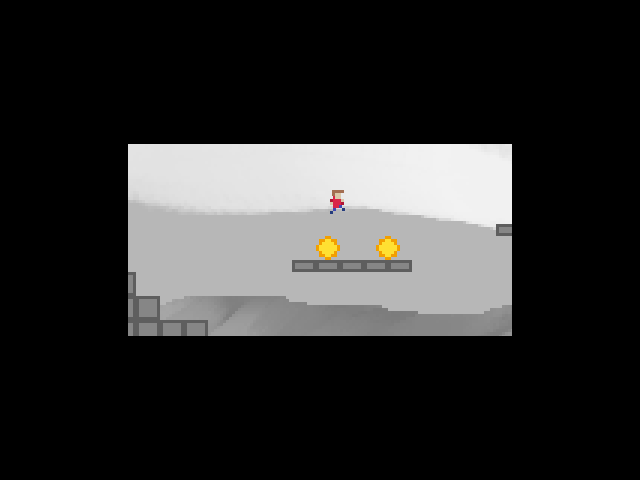
Things I Never Did unfolds as a concise platformer in which each leap and collected coin feels laden with meaning. Players guide a solitary figure across floating platforms, timing jumps to avoid falls and gathering coins scattered throughout the level. The core mechanics are deceptively simple: move, jump, collect — yet these actions serve as a vessel for deeper reflection.
(HEY YOU!! We hope you enjoy! We try not to run ads. So basically, this is a very expensive hobby running this site. Please consider joining us for updates, forums, and more. Network w/ us to make some cash or friends while retro gaming, and you can win some free retro games for posting. Okay, carry on 👍)
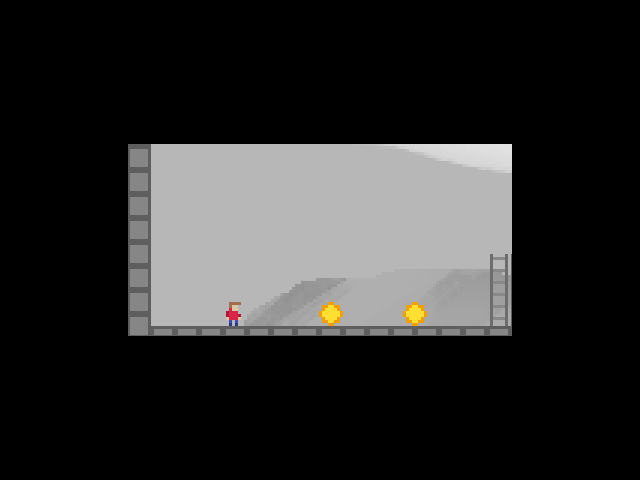
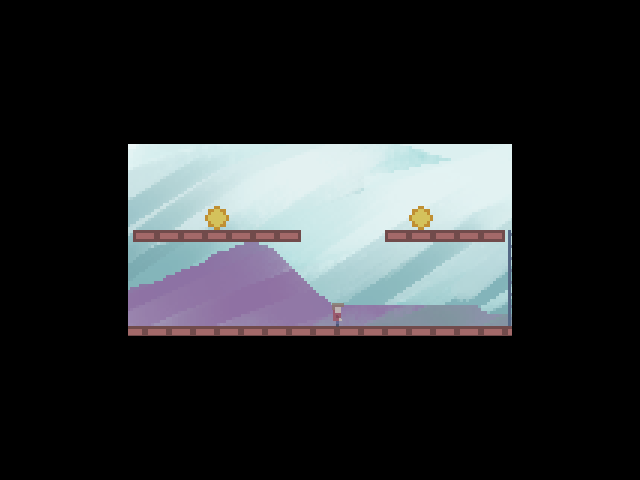
As you progress, the game introduces subtle shifts to the level layout and the character’s animation. Platforms may alter in shape or placement, new obstacles emerge, and the character’s silhouette evolves. These small but deliberate changes keep the experience fresh and compelling, inviting players to pay attention to nuances rather than pure dexterity.
The design echoes the contemplative style of Passage, encouraging an interpretation of each mechanical tweak. Some players will read the alterations as milestones of personal growth, while others might see them as reminders of life’s unexpected turns. This interplay between gameplay and metaphor makes revisiting the short run worthwhile — you’ll likely notice fresh details on a second playthrough.
Graphics
The visual palette in Things I Never Did is minimalist yet evocative. Soft gradients and simple shapes form a backdrop that shifts in tone as you move forward. Early stages lean toward muted hues; later sections introduce warmer or colder tints, underscoring the emotional undercurrents of the journey.
Character design relies on a silhouette that subtly changes over time. These visual transformations are understated but meaningful, reflecting the way real-life experiences leave their mark on us. Animation frames are limited but deliberate, giving each gesture — a jump, a coin pickup — an almost poetic weight.
Though the level geometry remains straightforward, the occasional visual flourish — a fading platform, a spark when a new ability emerges — punctuates the presentation with moments of genuine surprise. Frame rates stay smooth throughout, even on modest hardware, ensuring the focus remains on the unfolding metaphor rather than technical hiccups.
Story
Instead of text or cutscenes, Things I Never Did weaves its narrative through environmental and mechanical shifts. Collecting coins can feel like gathering memories or regrets, while each new platform configuration hints at a changed perspective. The story is there for you to infer, built upon every jump and every missed opportunity.
Players accustomed to explicit storytelling may find the approach sparse, but that economy of expression is the game’s strength. You become an active collaborator, attributing your own feelings and life experiences to the character’s milestones. It’s a quiet tale of growth, loss, and the passage of time.
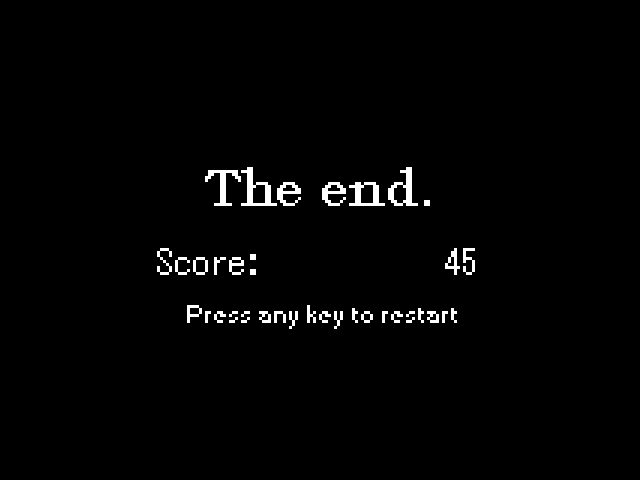
The ending sequence, devoid of words yet rich in visual metamorphosis, leaves a lasting impression. It underscores how small choices accumulate, shaping both the character and the environment. By refusing to spell out its meaning, the game honors the diversity of player interpretations, making each playthrough feel personally tailored.
Overall Experience
Things I Never Did delivers a bite-sized but memorable journey that resonates long after you’ve closed the window. Its brevity is by design, ensuring the metaphor stays sharp rather than overextended. In under thirty minutes you’ll experience a full emotional arc, from curiosity to reflection.
This platformer excels as an interactive art piece, appealing most to players who appreciate minimalist design and open-ended narratives. Those seeking a high-octane, skill-based challenge may find the mechanics too forgiving, but fans of experimental games will delight in the layers of meaning hidden beneath each pixel.
Ultimately, Things I Never Did is a testament to how gameplay can convey emotion just as powerfully as dialogue or cinematics. It’s a worthwhile pick for anyone intrigued by the intersection of game design and personal introspection — a small title with an impact that punches well above its weight.



Reviews
There are no reviews yet.