 Retro Replay Retro Replay gaming reviews, news, emulation, geek stuff and more!
Retro Replay Review
Gameplay
Titans of Steel: Warring Suns delivers a robust turn-based strategy experience centered on towering combat mechs. Each encounter unfolds on grid-based battlefields that call for careful positioning, cover utilization, and tactical foresight. Combat pacing is deliberate, giving players the breathing room to weigh movement, weapon ranges, and potential enemy reactions before issuing orders to their units.
(HEY YOU!! We hope you enjoy! We try not to run ads. So basically, this is a very expensive hobby running this site. Please consider joining us for updates, forums, and more. Network w/ us to make some cash or friends while retro gaming, and you can win some free retro games for posting. Okay, carry on 👍)
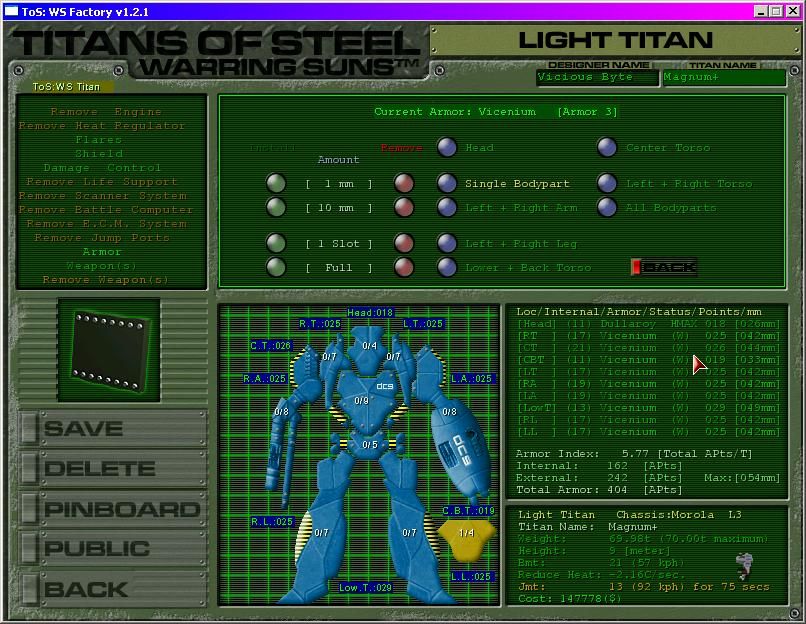
The game’s mech customization system stands out as a highlight. Drawing inspiration from classic tabletop miniatures, you can adjust chassis weight, armaments, armor plating, and auxiliary systems, creating machines optimized for speed, firepower, or pure tank-like durability. This level of detail extends to heat management, weapon cooldowns, and ammunition choices, ensuring every skull-crushing alpha strike comes at a calculated cost.
Beyond the battlefield, an RPG-driven pilot progression system infuses each campaign with long-term strategy. Pilots accrue experience through successful missions, unlocking new skills such as enhanced targeting, evasive maneuvers, or squadwide buffs. Balancing veteran pilots with fresh recruits becomes a key part of campaign planning, especially as damaged mechs need repairs and your coffers must stretch to cover recruitment costs.
Resource management weaves through every aspect of the game. Income from mission contracts funds new chassis, spare parts, and payroll, forcing players to prioritize objectives and choose between high-stakes contracts or steady, low-risk engagements. The interplay between financial planning and battlefield ingenuity elevates each decision, rewarding forward-thinking commanders with the means to maintain a battle-hardened lance of giant robots.
Graphics
Graphically, Titans of Steel forges a solid visual identity. The mech models are richly detailed, showing rivets, weapon mounts, and plasteel plating that reflect light realistically during movement. Animations—particularly the unfolding of missile pods and the recoil of energy cannons—lend weight to every shot, making each attack feel impactful and satisfying.
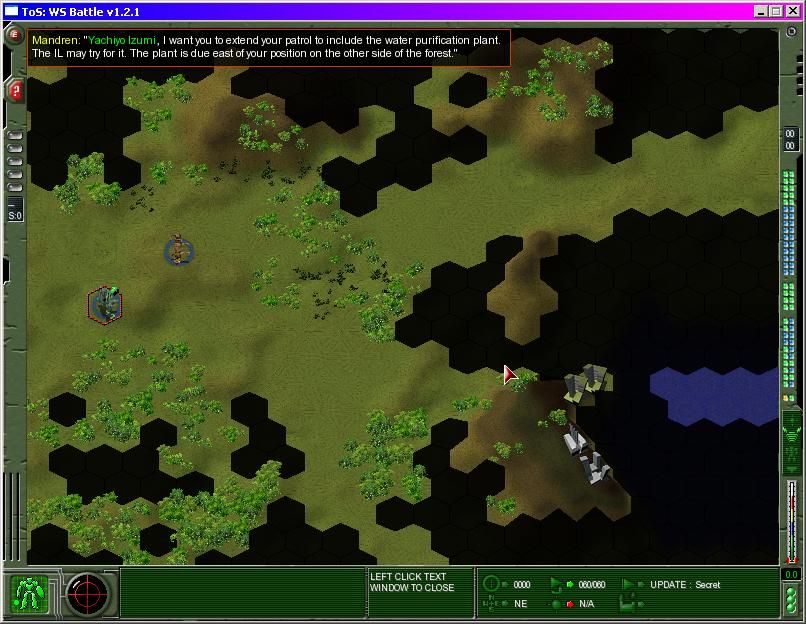
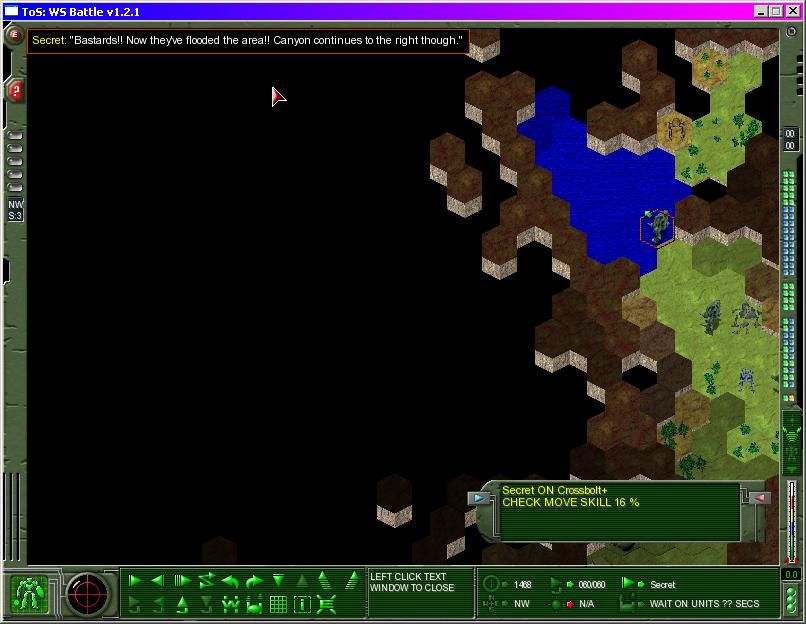
The battle maps are crafted with a blend of industrial and natural backdrops—smoldering factories, forested valleys, and urban sprawls. Terrain elevation and line-of-sight are clearly delineated by color-coded tiles, ensuring tactical clarity without sacrificing immersion. Environmental effects, such as dust plumes from heavy tread movement and scorch marks from laser strikes, further enhance battlefield atmosphere.
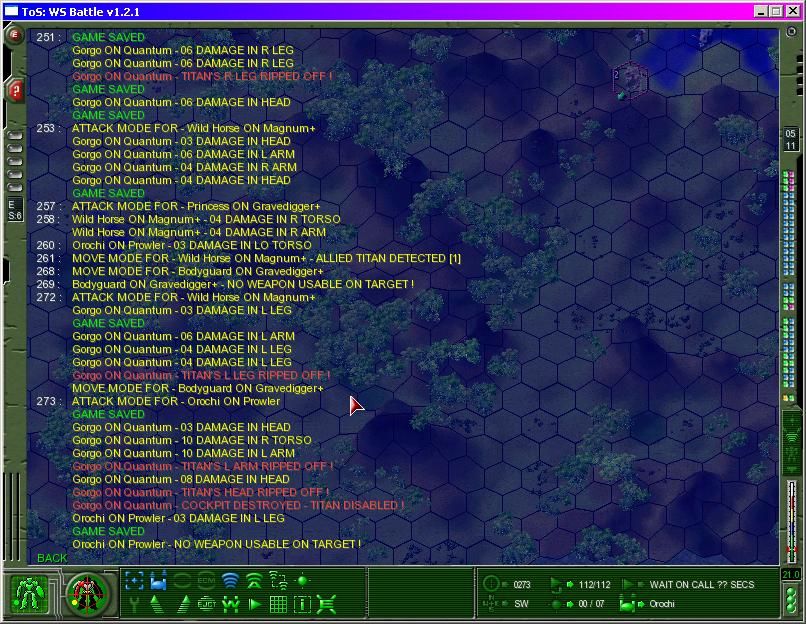
While not pushing the boundaries of modern real-time 3D rendering, Warring Suns’ art style excels in delivering clean, readable visuals. The user interface is intuitive, with mech status indicators, heat gauges, and weapon ammo counts easily accessible in the HUD. Menu screens for mech design and squad management are logically organized, reducing the time spent digging through options so you can return to the action quickly.
Story
The narrative thrust of Titans of Steel unfolds across a fragmented star cluster on the brink of all-out conflict. Rival noble houses vie for control of strategic systems, each fielding private legions of mechanized war machines. As the newly appointed commander of House Solaris, you’re tasked with protecting vital trade routes while fending off incursions by the rival House Vestra.
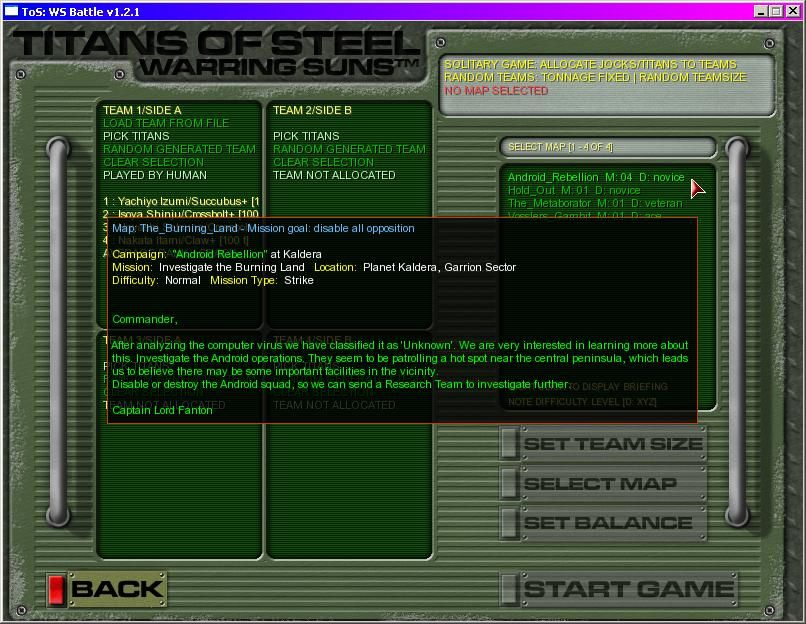
Mission briefs strike an effective balance between context and choice, presenting you with optional objectives that reinforce the political maneuvering behind every skirmish. Sidequests—such as rescuing stranded civilians or capturing enemy supply convoys—play into the larger web of alliances and betrayals, making each victory or setback feel narratively significant.
Character interactions add depth to the overarching campaign. Pilots communicate via radio chatter before and after missions, revealing backstories, rivalries, and evolving loyalties. These moments foster an emotional investment in your squad, as veteran pilots become fan favorites whose safety you fervently guard in subsequent battles.
Overall Experience
Titans of Steel: Warring Suns blends classic mech warfare with modern convenience, offering a gratifying mix of tactical depth, customization, and narrative flair. The game’s learning curve is moderate; newcomers to turn-based strategy may need time to master heat management and resource allocation, but the tutorial and early missions provide ample guidance.
Replay value is high, thanks to branching mission paths, diverse mech builds, and the option to join different factions on subsequent playthroughs. Experimenting with alternative loadouts or focusing on stealthy hit-and-run tactics versus all-out frontal assaults keeps the experience fresh long after the first campaign ends.
For fans of Battletech-style strategic gaming and mech enthusiasts alike, Titans of Steel delivers on its promise of planetary-scale warfare and personalized war machines. Its blend of engaging turn-based combat, deep customization, and immersive storyline makes Warring Suns a standout choice for anyone looking to command colossal machines in a politically charged galaxy.

Reviews
There are no reviews yet.