 Retro Replay Retro Replay gaming reviews, news, emulation, geek stuff and more!




Retro Replay Review
Gameplay
UFO: Afterlight builds on the familiar strategic foundation of its predecessors, merging base management with intense tactical combat. You’ll spend much of your time overseeing the development of a fledgling colony on Mars—constructing habitats, securing energy sources, and ensuring a steady supply of water in a harsh, unforgiving environment. Resources are scarce, and balancing your water reserves against food, power, and research needs quickly becomes a high-stakes juggling act.
(HEY YOU!! We hope you enjoy! We try not to run ads. So basically, this is a very expensive hobby running this site. Please consider joining us for updates, forums, and more. Network w/ us to make some cash or friends while retro gaming, and you can win some free retro games for posting. Okay, carry on 👍)
The combat system retains the series’ signature “real-time with pause” style, giving you the freedom to plan intricate maneuvers and issue precise orders to your squad. Beneath the surface, every encounter is governed by turn-based calculations, converting every movement, shot, and medkit application into raw numerical outcomes. This mechanic rewards careful preparation and punishes rash decisions, making every firefight feel tense and consequential.
Unit progression plays a critical role in extending the game’s lifespan and deepening its strategic layers. Soldiers earn experience, level up, and can be trained in specialized roles—sniper, heavy weapons expert, or field medic. Their survival becomes paramount; veterans carry invaluable skills into later missions, and losing one to a miscalculated advance or ill-timed reload can turn the tide of the campaign. As a commander, you’ll need to weigh risks carefully and decide when to push forward or pull back to save your hardened troops.
Graphics
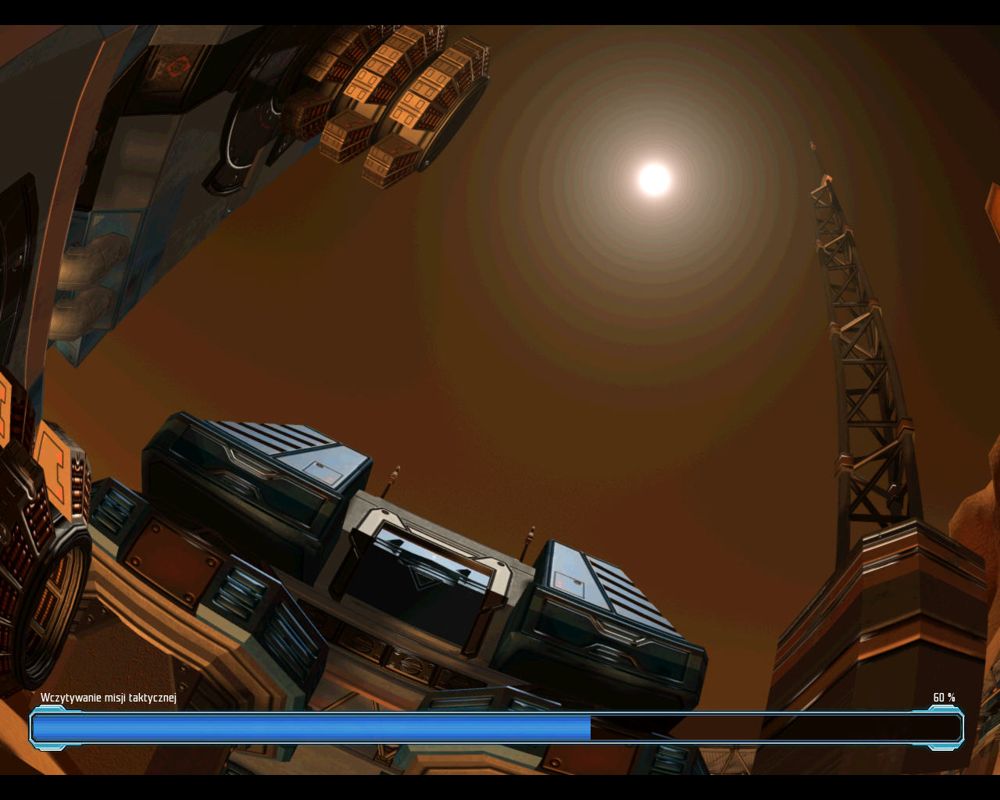
Although UFO: Afterlight uses an engine that shows its age, the artistic direction does an admirable job of conveying the red planet’s desolation. Rocky outcrops, dusty craters, and rust-colored dunes set an atmospheric backdrop for both base installations and exterior missions. Dynamic lighting casts long shadows across your settlements, underscoring the isolation of your pioneers.
Character and alien models are serviceable rather than spectacular. Human soldiers come with a variety of armor types and weaponry that differentiate their silhouettes, while alien factions boast distinct designs, from insectoid warriors to crystalline entities. Animations can feel a bit stiff, but the impact of each gunshot, explosion, or alien shriek nevertheless drives home the perils that await outside your walls.
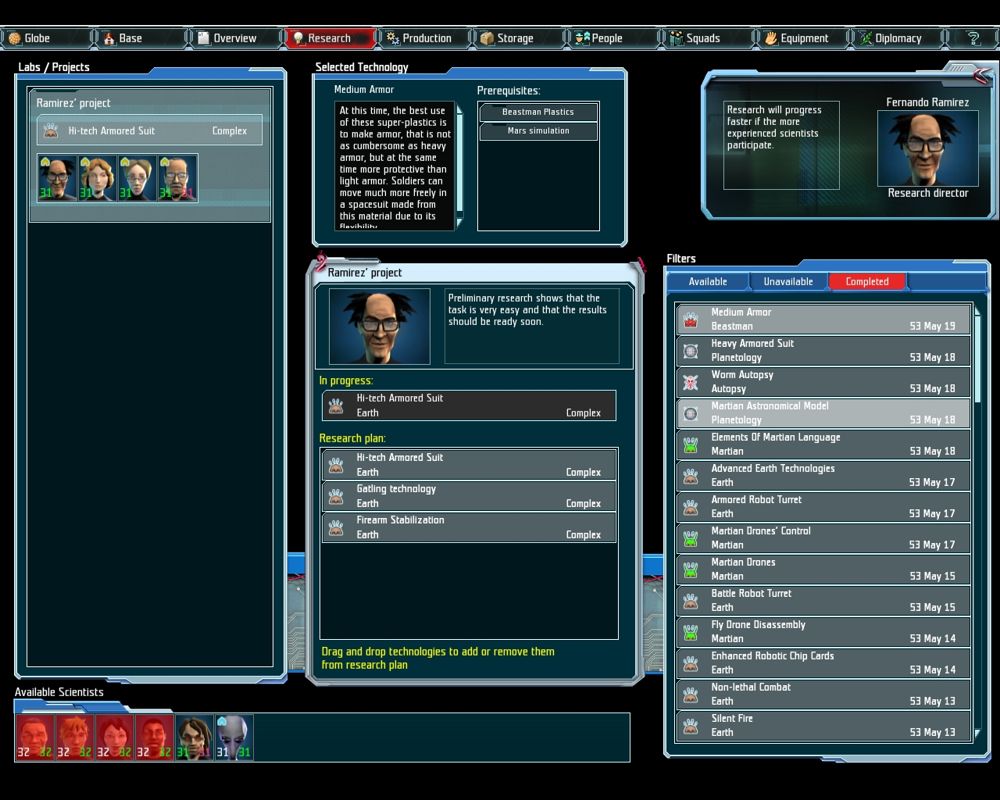
The user interface is dense but functional, offering comprehensive data on resource flows, squad status, and research progress. It may overwhelm newcomers at first—menus are text-heavy and require constant toggling between screens—but once you learn to navigate its layers, you’ll appreciate the in-depth control it affords. Tooltips and color-coded alerts help mitigate confusion during urgent scenarios.
Story
After the devastating Reticulan onslaught in previous titles, humanity’s remnants found themselves exiled to Mars, with only a handful permitted to remain in orbit. On the surface, your mission is one of survival: coax life from barren soil and fend off threats that lurk both inside and outside your base. But as scientists unearth relics of an ancient civilization, the stakes escalate from mere existence to cosmic intrigue.
Several factions converge on the red planet, each with its own agenda. Some seek alliances to share advanced technologies, while others view your colony as a stepping stone for galactic conquest. Diplomacy becomes as vital as firepower—you can broker peace treaties or manipulate rival groups into serving your cause. These interactions enrich the narrative, offering branching paths that impact how the campaign unfolds.
Underlying this political chess game is a deeper mystery buried beneath the Martian crust. As you push forward in research missions, hidden facilities and alien artifacts begin to reveal their true purpose. The gradual unveiling of these enigmas keeps the story engaging, blending survival horror with sci-fi mystery. You’ll find yourself eager to launch the next expedition just to see what astonishing discovery waits around the corner.
Overall Experience
UFO: Afterlight offers a challenging, multi-layered strategy experience that rewards patience and thoughtful planning. The learning curve can be steep—especially when managing scarce resources on a hostile world—but mastering its systems provides a genuine sense of achievement. Every successful mission feels hard-won, and every misstep can spiral into critical setbacks, driving home the fragility of your position on Mars.
For fans of deep tactical gameplay and complex base building, Afterlight stands as one of the most ambitious entries in the UFO series. It doesn’t shy away from micromanagement or moral dilemmas, forcing you to balance the immediate needs of your colonists against long-term goals. The modular campaign structure and factional politics add replay value, encouraging multiple playthroughs to explore alternative strategies and story branches.
While its dated visuals and obtuse interface may deter some, the game’s atmosphere and strategic depth make it a rewarding purchase for dedicated sci-fi enthusiasts. UFO: Afterlight is not simply a conquest simulator—it’s a tale of human resilience on a hostile world, demanding both tactical ingenuity and diplomatic finesse. If you’re ready for a demanding ride through the dusty corridors of Mars, this title delivers an unforgettable and engrossing experience.



Reviews
There are no reviews yet.