 Retro Replay Retro Replay gaming reviews, news, emulation, geek stuff and more!
Retro Replay Review
Gameplay
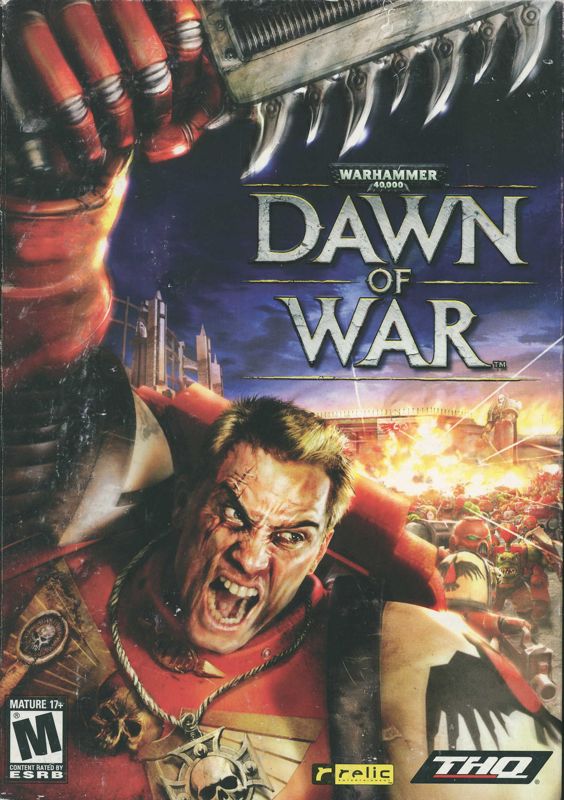
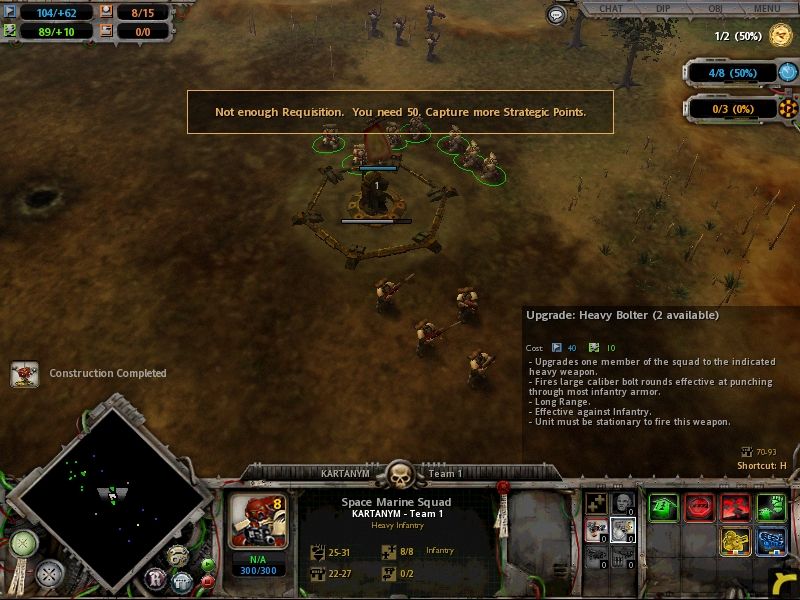
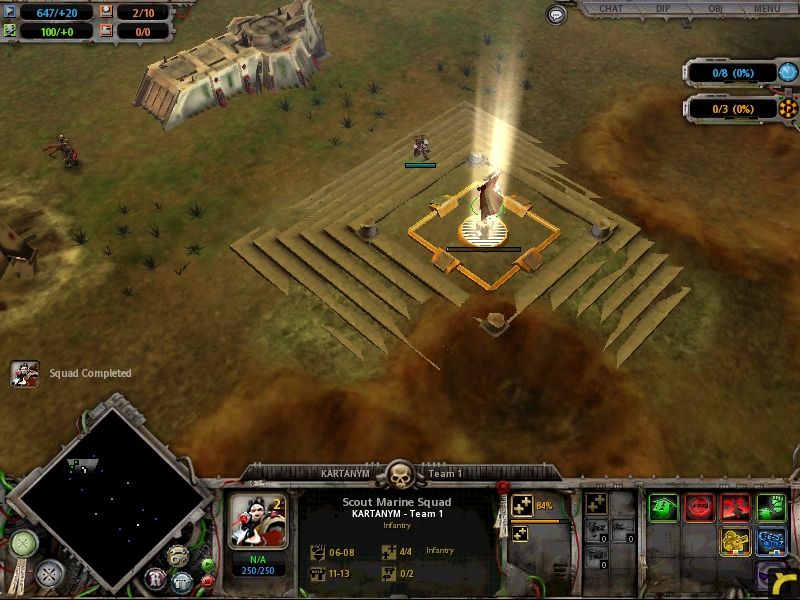
Warhammer 40,000: Dawn of War delivers a robust real-time strategy experience built around tactical combat, resource management, and territory control. Instead of traditional resource nodes, you capture and hold strategic points that generate requisition, then supplement your economy with power plants. This dynamic system rewards map awareness and quick reactions, as losing even a single point can slow your buildup and leave you vulnerable to counterattacks.
(HEY YOU!! We hope you enjoy! We try not to run ads. So basically, this is a very expensive hobby running this site. Please consider joining us for updates, forums, and more. Network w/ us to make some cash or friends while retro gaming, and you can win some free retro games for posting. Okay, carry on 👍)
Unit composition and squad-based tactics are at the heart of every engagement. As commander of the Blood Ravens, you’ll field diverse infantry squads—ranging from bolter-armed Marines to flamethrower specialists—each with unique strengths and vulnerabilities. Leader units such as the Force Commander or Apothecary can attach to squads, granting special abilities like orbital bombardments or morale boosts, which adds a rewarding layer of micromanagement to crucial battles.
The campaign offers eleven distinct scenarios that introduce you to the game’s core mechanics before gradually weaving in superweapons, vehicle production, and defensive emplacements. Once you’ve mastered the story missions, Skirmish and Multiplayer modes allow you to choose from four factions—Space Marines, Chaos Space Marines, Orks, and Eldar—each with its own strategic focus. Whether you prefer the resilience and ranged firepower of the Blood Ravens or the sheer melee onslaught of Ork mobs, Dawn of War ensures that no two matches feel the same.
Graphics
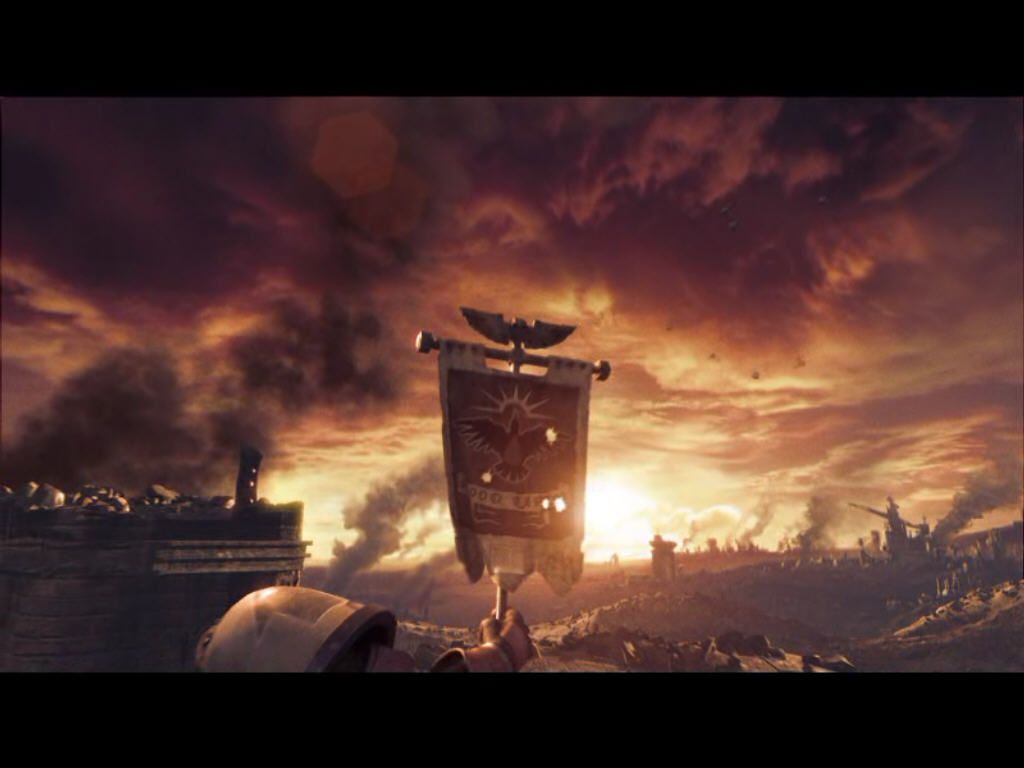
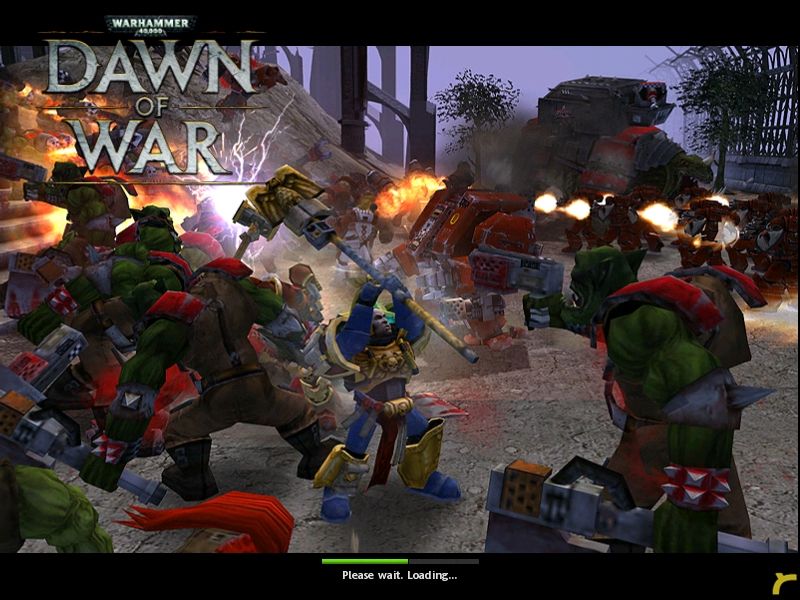
For its time, Dawn of War set a high bar with detailed 3D models and richly textured environments. Space Marine power armor gleams with metallic detail, while Ork war machines look properly ramshackle and brutal. Terrain features—crumbling Gothic ruins, alien flora, and scorched plains—are atmospheric and reinforce the grimdark mood of the 41st Millennium.
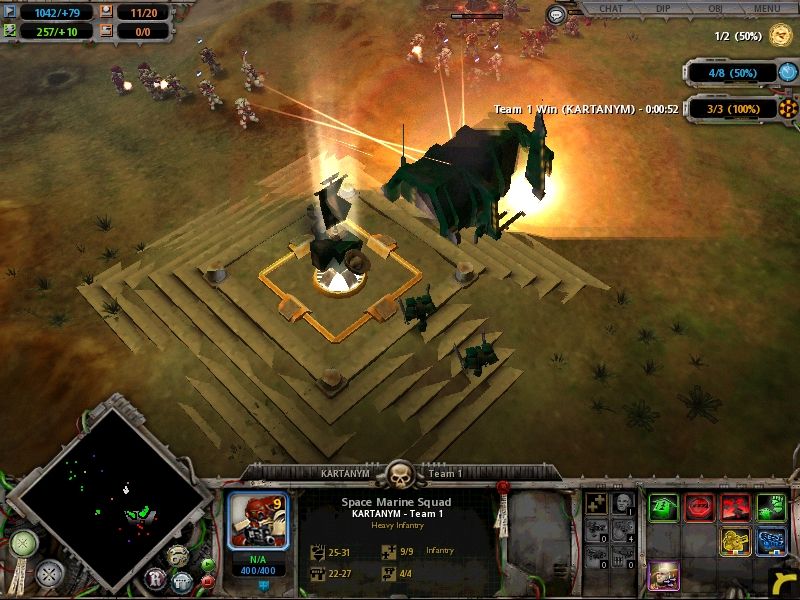
Animations and particle effects heighten the sense of battlefield chaos. Bolter fire sparks against enemy armor, flamethrowers leave smoldering trails, and explosions send debris flying in all directions. Each faction’s unique special effects—such as the Eldar’s teleportation shimmer or Chaos daemonic summoning—stand out visually and cue you to critical moments in the fight.
Despite being a 2004 release, Dawn of War remains surprisingly accessible on modern hardware. Its flexible engine scales from low to high settings without issue, and maps run smoothly even with dozens of units onscreen. For enthusiasts, a robust modding community has produced high-definition textures and expanded faction rosters, ensuring the visuals can continue to evolve long after the initial release.
Story
The single-player campaign thrusts you into the role of the Blood Ravens Chapter, tasked with halting an Ork invasion on the planet Tartarus. Early missions focus on conventional warfare—securing relics, rescuing Imperial Guard units, and establishing forward bases—but gradually peel back layers of intrigue as you learn that Chaos forces and the enigmatic Eldar have their own designs on Tartarus’s secrets.
Narrative pacing in Dawn of War is handled through mission briefings, in-engine cutscenes, and voiced communications from Chapter Librarians and other characters. The dialogue is suitably grim and stoic, conveying the fan-favorite Warhammer 40,000 tone of unyielding war and latent horror. Key reveals—such as the corruption of Chaos Marines and the ancient motives of the Eldar—provide enough twists to keep the campaign engaging through its eleven scenarios.
While the story doesn’t match the depth of a full-fledged RPG, it excels as an RTS narrative by tying each mission objective to an overarching mystery. You never feel like you’re merely clearing maps; instead, each victory brings new revelations about Tartarus and the cosmic stakes at play. This blend of strategic objectives and unfolding lore keeps the single-player experience both action-packed and thematically cohesive.
Overall Experience
Dawn of War stands out as a timeless RTS that balances fast-paced combat with thoughtful strategy. Its point-capture resource model encourages aggressive play, while the diverse unit rosters across four factions ensure every skirmish is tactically fresh. The campaign delivers a compact but memorable journey, and the transition into Skirmish or Multiplayer feels seamless, letting you test your mettle against friends or the AI.
Multiplayer remains one of Dawn of War’s strongest draws. Whether you’re coordinating a team assault on a critical point or mounting a last-ditch defense of your headquarters, the tension and thrill of victory carry over match after match. The game’s ladder and custom lobby features, although simple by today’s standards, were groundbreaking at launch and continue to foster a dedicated player base.
With its addictive gameplay loop, atmospheric graphics, and a lore-rich campaign, Warhammer 40,000: Dawn of War is a must-have for RTS enthusiasts and fans of the 40K universe alike. Its enduring mod scene further extends replayability, making this title not only a landmark release in the genre but also a living, breathing battlefield that rewards both newcomers and series veterans.

Reviews
There are no reviews yet.