 Retro Replay Retro Replay gaming reviews, news, emulation, geek stuff and more!
Retro Replay Review
Gameplay
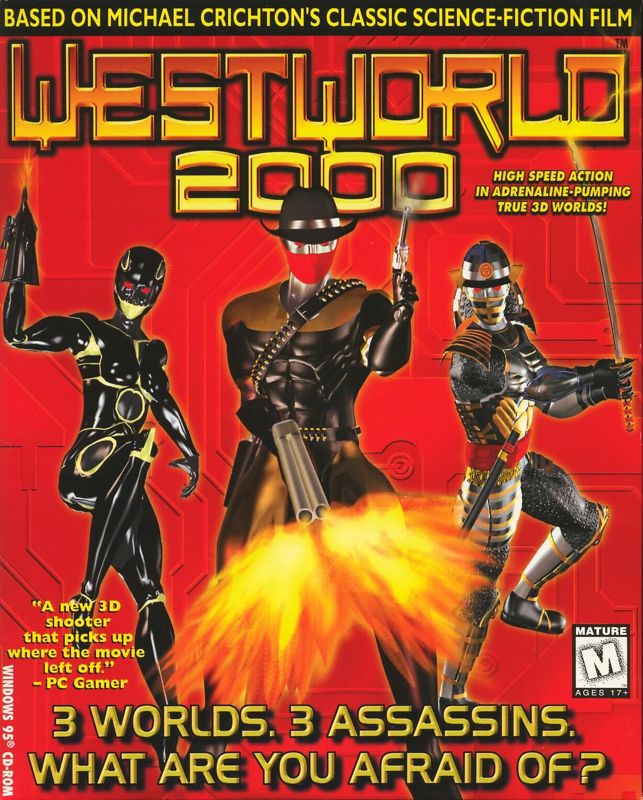
Westworld 2000 offers a surprisingly deep and varied combat system for a turn-of-the-millennium shooter. Players start by choosing one of three distinct archetypes—samurai, gunslinger, or intergalactic spy—each with their own movement style, weapon proficiencies, and special abilities. Samurai wield razor-sharp katanas for close-quarters duels, gunslingers favor quick-draw pistols and rifles for nimble firefights, and spies rely on futuristic gadgets and energy weapons to outwit robotic foes.
(HEY YOU!! We hope you enjoy! We try not to run ads. So basically, this is a very expensive hobby running this site. Please consider joining us for updates, forums, and more. Network w/ us to make some cash or friends while retro gaming, and you can win some free retro games for posting. Okay, carry on 👍)
The pacing of the 35 levels keeps the experience fresh, alternating between fast-paced corridors of Orbitworld, open-field showdowns in Westworld, and the serene yet deadly bamboo groves of Samuraiworld. Enemy AI varies from errant mechanical deputies to highly aggressive android samurai, providing a steady difficulty curve. Environmental hazards—like rolling boulders in Samuraiworld or electrified fences in Orbitworld—add a layer of tactical consideration that forces players to adapt on the fly.
Weapon selection is one of the highlights: with 11 distinct armaments drawn from the past, present, and future, players can mix and match firearms, melee weapons, and sci-fi gear to suit their style. Whether it’s a six-shooter in Westworld or a plasma rifle in Orbitworld, each weapon feels weighty and responsive. Occasional power-ups and hidden weapon caches reward thorough exploration, encouraging replay and experimentation.
Controls are generally tight, though some players may find the lock-on mechanics for ranged weapons a bit dated compared to modern standards. Still, mastering each character’s unique movement options—dodging with a katana’s spin or rolling behind cover as a gunslinger—provides a satisfying skill ceiling. Boss encounters punctuate the campaign with larger-than-life robot antagonists that demand precise timing and resource management.
Graphics
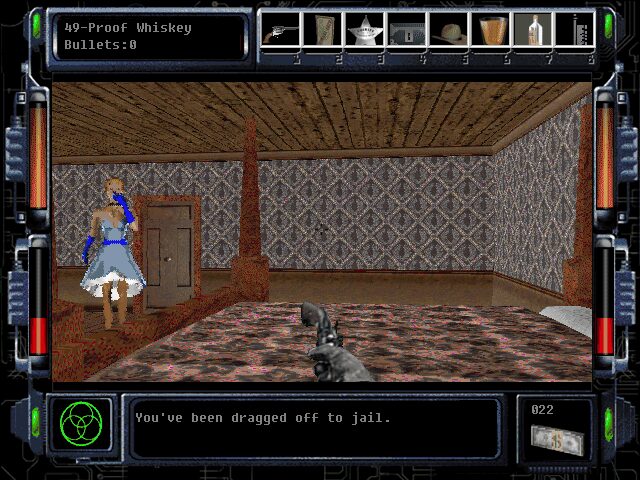
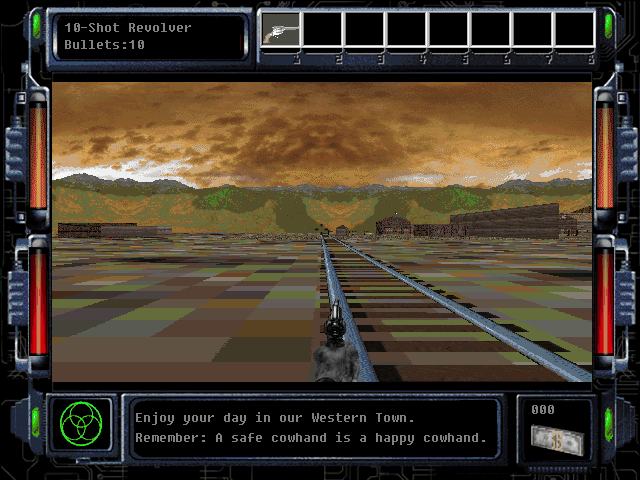
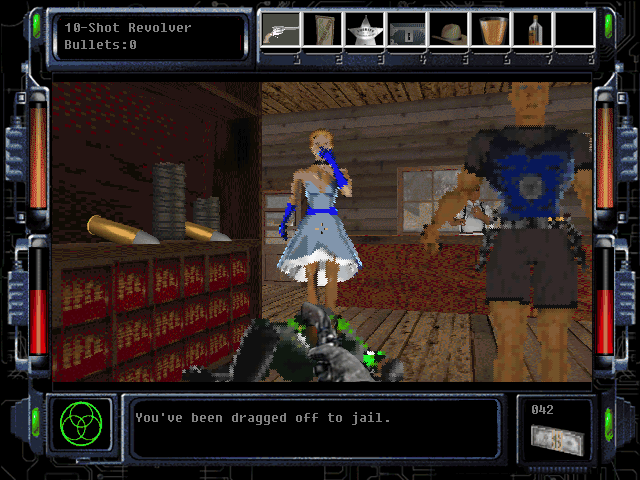
For a game released in 2000, Westworld 2000 pushes 3D rendering farther than many of its contemporaries. Environment textures exhibit a surprising amount of detail, from the grainy wood panels of frontier saloons to the metallic sheen of Orbitworld’s space stations. Level geometry is thoughtfully designed, with natural chokepoints and hidden alcoves that encourage strategic movement.
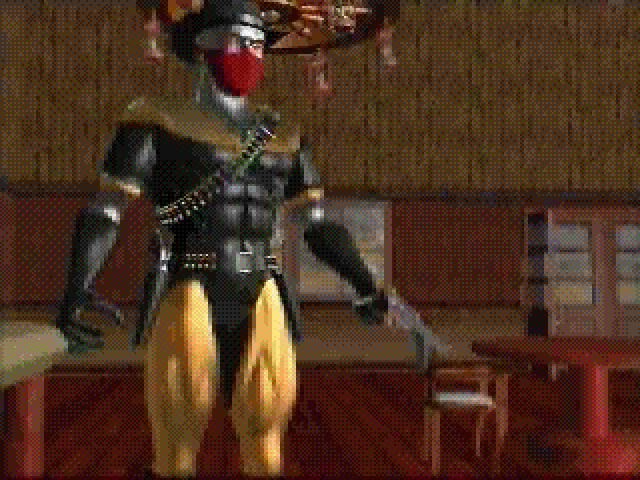
Character models range from blocky humanoid robots to more refined samurai figures clad in ornate armor. While polygon counts can feel low by today’s standards, clever use of lighting and shading helps mask limitations. Dynamic lighting effects—flickering lampposts in Westworld, glowing neon signs in Orbitworld, and torches flickering along Samuraiworld pathways—add atmosphere and tension to every level.
Special effects are where the game truly shines: muzzle flashes, sword slashes, and energy blasts boast colorful particle systems that remain impressive even today. Explosions feel impactful, and the occasional slow-motion kill sequence for the samurai class provides a stylish visual flourish. The user interface is minimalistic, freeing the screen for uninterrupted immersion in the environments.
On the downside, occasional texture pop-in can occur on more complex maps, and some indoor areas suffer from noticeable clipping. However, these minor hiccups rarely detract from the overall aesthetic, and most players will find the graphical presentation more than adequate for delivering the wild, genre-hopping experience Westworld 2000 promises.
Story
Based loosely on Michael Crichton’s original concept, Westworld 2000 weaves its narrative across three distinct “worlds,” each representing a different slice of the amusement park gone haywire. The core premise—shutting down the malfunctioning park AI—provides a simple but effective through-line, while environmental storytelling fills in the gaps. Scrawled warnings on saloon walls, overheard radio transmissions in Orbitworld, and crumpled mission logs in Samuraiworld all hint at the catastrophe’s causes.
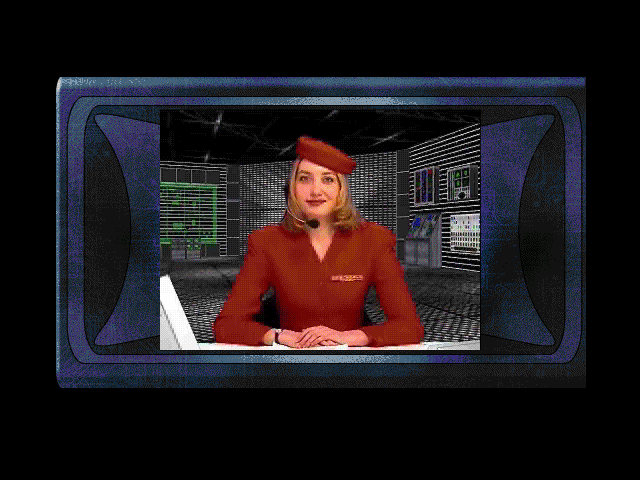
Though the dialogue can be cheesy at times, voice acting breathes life into characters like the panicked park administrator and rogue android hosts. Brief cutscenes bookend each world’s arc, delivering stakes and motivations without overstaying their welcome. Fans of the original film will appreciate nods to Crichton’s vision—robotic cowboys toppled from horses, malfunctioning circuits sparking under neon skies—but newcomers can easily follow the action without prior knowledge.
Each character class also enjoys a sliver of personal narrative: the samurai’s code of honor is tested by rogue ronin, the gunslinger must confront the ghosts of frontier justice, and the spy uncovers a corporate conspiracy behind the park’s creation. While these subplots never reach Shakespearean depths, they infuse the campaign with enough variety to keep the story from feeling one‐note.
Overall, the narrative succeeds as a backdrop for the action, giving players just enough context to care about their mission without bogging down the frenetic pace. The game’s ending ties the three worlds together in a climactic assault on the central AI core, offering a satisfying payoff to the journey.
Overall Experience
Westworld 2000 stands out as an ambitious fusion of genres—wild west shoot-’em-up, samurai brawler, and sci-fi spy thriller—all wrapped into a single package. Its varied locales and character classes deliver remarkable replay value, inviting players to master each playstyle and revisit levels with new loadouts. The robust level design and hidden secrets reward exploration, while the adjustable difficulty settings cater to both casual shooters and hardcore thrill-seekers.
The soundtrack and sound effects complement the visuals beautifully, with twanging banjos in Westworld, serene flutes in Samuraiworld, and pulsing synths in Orbitworld. Ambient noise and voice cues help immerse players in each setting, though some repetition in enemy chatter can creep in over extended play sessions. Still, the audio never feels intrusive and often elevates key moments—like the hum of a lightsaber-like katana or the crack of a six-gun in a dusty street duel.
Despite minor technical quirks—occasional frame drops in particularly crowded rooms, or brief loading pauses between zones—the overall polish is impressive for its era. Westworld 2000 strikes a solid balance between accessibility and challenge, making it a great recommendation for fans of classic shooters or anyone seeking a nostalgic trip through three wildly different worlds.
In the end, Westworld 2000 delivers a uniquely entertaining package that honors Michael Crichton’s vision while carving out its own identity. Its memorable characters, diverse combat scenarios, and imaginative level design make it a worthy addition to any shooter aficionado’s collection. Prospective buyers seeking a blast from gaming’s past will find plenty to love in this retro-chic park of the future.


Reviews
There are no reviews yet.