 Retro Replay Retro Replay gaming reviews, news, emulation, geek stuff and more!
Retro Replay Review
Gameplay
Wing Commander: Secret Ops delivers a classic space combat experience with an episodic structure that keeps each mission feeling fresh and focused. Players step into the flight suit of Captain Christopher “Casey” Blair, tackling a variety of objectives from dogfights to escort operations and interception runs. The controls remain tight and responsive, blending keyboard shortcuts with joystick support for a satisfying sense of ship handling.
(HEY YOU!! We hope you enjoy! We try not to run ads. So basically, this is a very expensive hobby running this site. Please consider joining us for updates, forums, and more. Network w/ us to make some cash or friends while retro gaming, and you can win some free retro games for posting. Okay, carry on 👍)
The game engine is carried over largely intact from Wing Commander: Prophecy, but Secret Ops adds a selection of upgraded fighters and new weapons loads. These enhancements give long-time fans some new tactics to explore, such as missile racks with extended range and experimental energy cannons. Balancing shield energy against weapon output becomes a key strategic choice in tougher engagements.
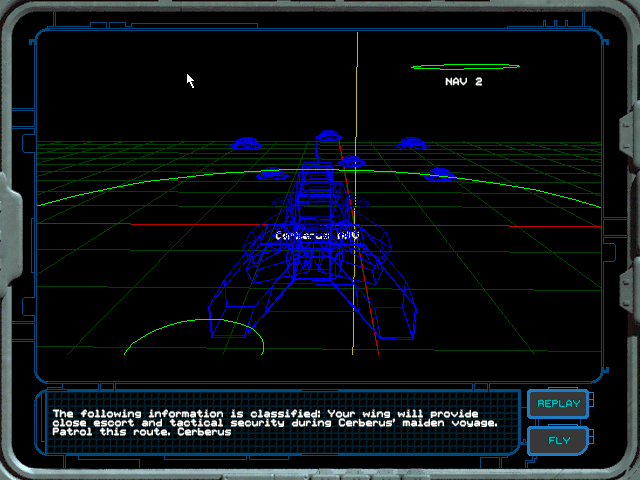
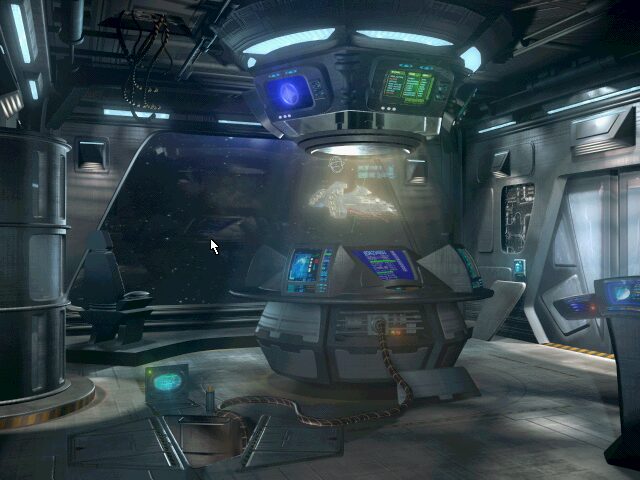
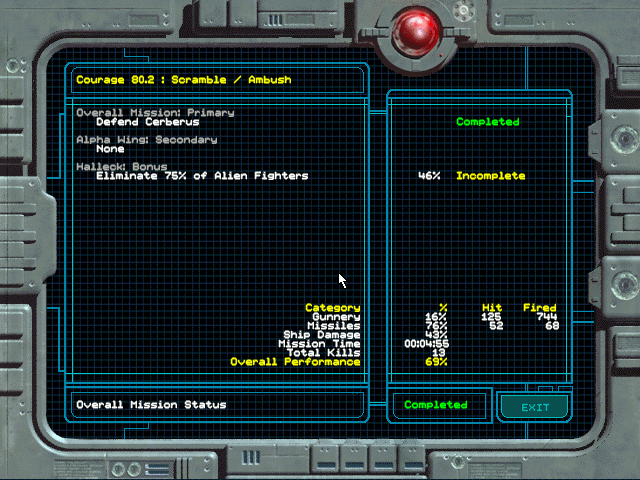
Secret Ops employs a mission briefing and debriefing system entirely rendered within the game engine, replacing the pre-rendered videos of its predecessor. This approach adds continuity between gameplay and story without loading separate FMV sequences. It also means that any upgrades you install—like improved cockpit displays or targeting enhancements—feel more integrated into the narrative flow.
One standout feature is the game’s pacing. Although each episode is short by modern standards, the bite-sized missions ensure minimal downtime between action sequences. Whether you’re patrolling near the Sol system or rushing to defend Earth itself, the steady tempo keeps you locked into the fight and eager for the next sortie.
Graphics
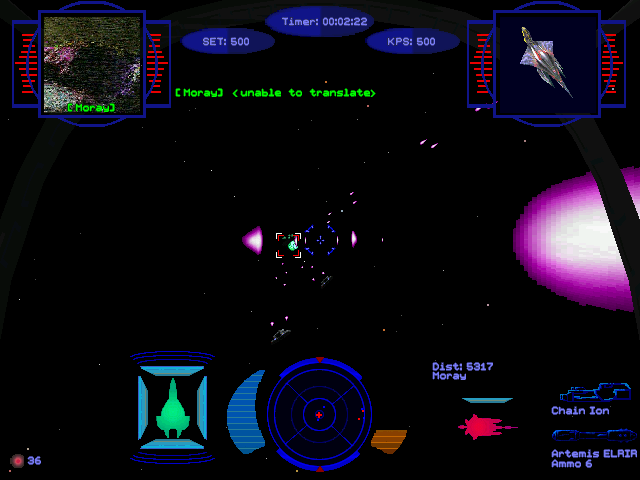
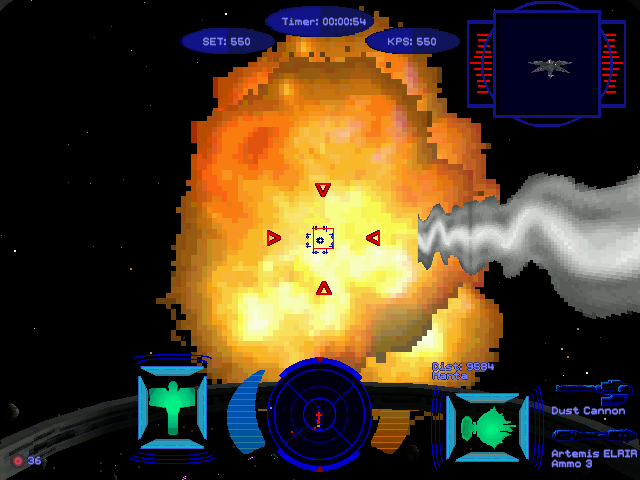
Visually, Secret Ops remains true to the late ’90s hardware-accelerated 3D aesthetic. Starfields, nebula backdrops, and detailed ship models hold up well thanks to crisp textures and carefully designed cockpit overlays. While some effects might appear dated compared to contemporary simulators, there’s a charm in the vibrant laser trails and chunky, satisfying explosion art.
The transition from FMV to in-engine cutscenes pays dividends for graphical consistency. Dogfights flow seamlessly into story moments as Casey and his wingmates react on-screen in real time, complete with dynamic lighting and particle effects. It’s easy to forget you’re still within the same simulation you just flew in, a testament to the engine’s cohesion.
Secret Ops introduces subtle visual upgrades over Prophecy, such as improved shading on ship hulls and more convincing energy shield animations. These enhancements don’t overhaul the engine but offer a noticeable polish, especially during intense moments when enemy fire reflects off your canopy. Screen clutter is kept to a minimum, ensuring that crucial HUD elements remain legible even in the thick of battle.
The episode-based release model also allowed the developers to refine graphical assets between installments. You’ll spot slight upgrades in lighting and texture resolution as you progress through the four episodes, which keeps the visual experience from feeling static or repetitive.
Story
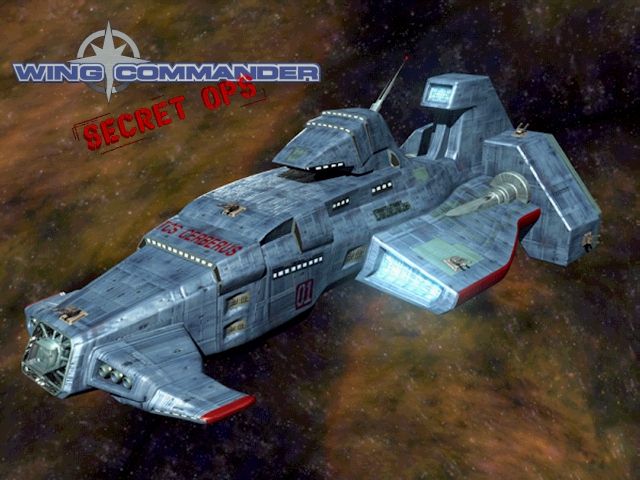
Secret Ops picks up directly after the events of Prophecy, with Casey and his squad transferred to the Confederation cruiser TCS Cerberus. Assigned to patrol zones adjacent to the Sol system, they quickly discover that the Kilrathi bugs have returned—and this time they’ve targeted Earth itself. From the opening mission, the stakes feel personal, as every destroyed civilian ship or planetary beacon underscores the crisis’ urgency.
The narrative unfolds across four self-contained episodes, each with its own set of missions and cinematic interludes. Using the game engine for cutscenes allows character expressions, ship maneuvers, and environmental effects to blend naturally with gameplay. Dialogues carry a veteran tone, full of banter and tension that veteran Wing Commander fans will recognize, yet newcomers will still find engaging.
While there’s limited space for deep character arcs within such short episodes, Secret Ops strikes a balance by focusing on high-stakes encounters and evolving mission briefs. The camaraderie between Casey and his wingmates comes through in mission chatter, lending emotional weight when boots are on the line. Key plot developments—such as uncovering a Kilrathi wormhole plot—are delivered with crisp pacing and memorable set pieces.
In spite of its condensed nature, the story manages to evoke both nostalgia and suspense. By the time you reach the finale, you’re invested in Casey’s efforts and eager to see Earth’s salvation. The episodic delivery may feel brief, but it ensures that each narrative beat is lean, purposeful, and delivered without filler.
Overall Experience
Wing Commander: Secret Ops succeeds as a focused, action-driven space sim that caters to both longtime series fans and newcomers looking for quick-hit missions. Its reliance on a familiar engine means there are no steep learning curves, while upgraded ships and weapons keep dogfights feeling fresh. The in-engine cutscenes provide a level of immersion that traditional FMVs can’t match.
The episodic format makes Secret Ops an ideal choice for gamers with limited time or those who prefer snackable content. Each of the four chapters offers roughly 4–6 missions, making it easy to jump in and out without losing narrative momentum. The steady progression of graphical and gameplay tweaks between episodes helps maintain interest and prevents the experience from growing stale.
That said, modern players might notice the dated look of the cockpit HUD and the absence of advanced lighting techniques found in newer space sim titles. However, for those seeking a pure, unadulterated Wing Commander atmosphere—complete with witty pilot chatter, dramatic starfield dogfights, and a looming threat to Earth—Secret Ops remains a compelling package.
In the end, Wing Commander: Secret Ops stands as a worthy continuation of Casey Blair’s saga. Its streamlined gameplay, engine-driven storytelling, and episodic pace combine into an experience that’s both accessible and richly satisfying. If you’ve ever dreamed of soaring through space to defend humanity’s homeworld, Secret Ops delivers that thrill in spades.



Reviews
There are no reviews yet.