 Retro Replay Retro Replay gaming reviews, news, emulation, geek stuff and more!
Retro Replay Review
Gameplay
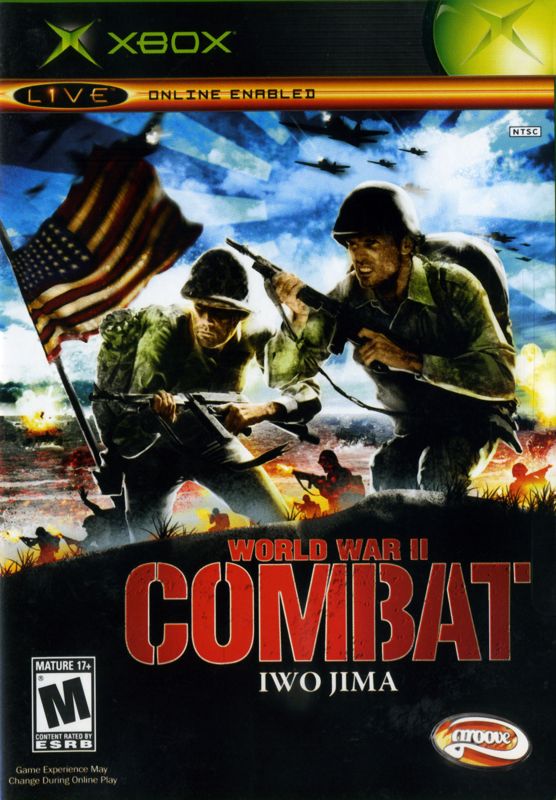
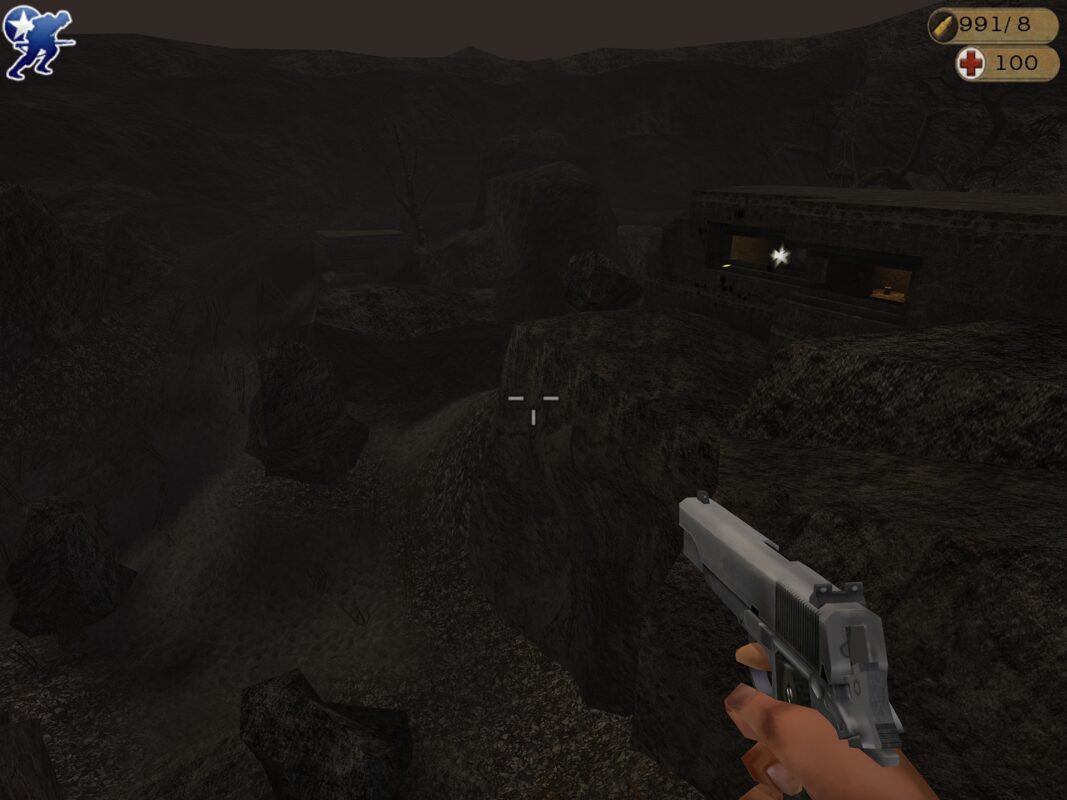
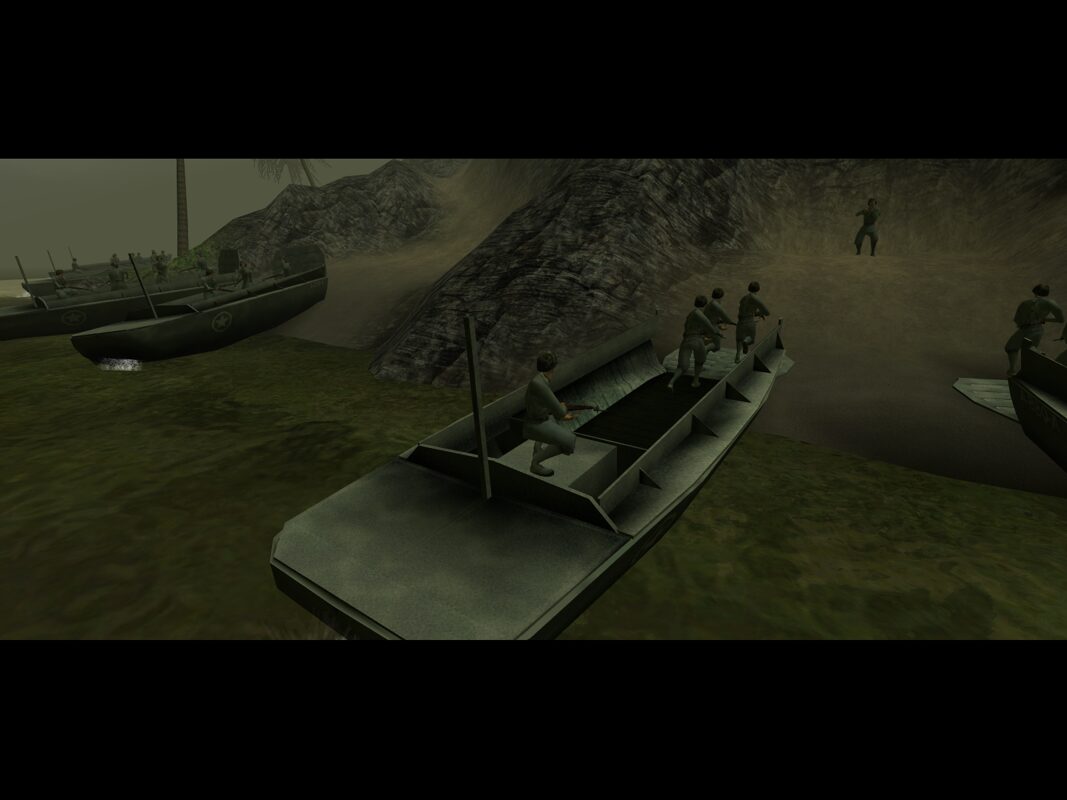
World War II Combat: Iwo Jima adheres closely to the straightforward FPS mechanics established in Road to Berlin, making it instantly familiar to fans of budget-minded shooters. Each mission drops you into a series of beach landings, bunker assaults, and narrow corridors—your weapons loadout is predetermined, forcing you to adapt on the fly rather than collect enemy arms. This design choice streamlines the experience but also limits tactical variety, as you can’t scavenge rifles or medkits mid-battle.
(HEY YOU!! We hope you enjoy! We try not to run ads. So basically, this is a very expensive hobby running this site. Please consider joining us for updates, forums, and more. Network w/ us to make some cash or friends while retro gaming, and you can win some free retro games for posting. Okay, carry on 👍)
A defining feature is the mission-based health system: instead of scrambling to find health packs, your vitality automatically recharges when you complete each objective. This removes frustration over staying alive through endless firefights, but also diminishes the tension when trying to eke out every remaining hit point. If you’re the type of player who enjoys careful resource management, this game’s approach may feel too generous and bakes difficulty curves around pure shooting skills rather than survival strategy.
Enemy AI follows the budget-FPS playbook: Japanese soldiers charge you in predictable patterns, take cover sporadically, and occasionally throw grenades. There’s little in the way of flanking or coordinated tactics, so once you learn a level’s chokepoints, you can anticipate the majority of encounters. However, the relentless pace of assault and the sometimes claustrophobic terrain on the volcanic sands of Iwo Jima still deliver rushes of adrenaline. Quick reloads, responsive controls, and steady frame rates keep the action flowing.
Graphics
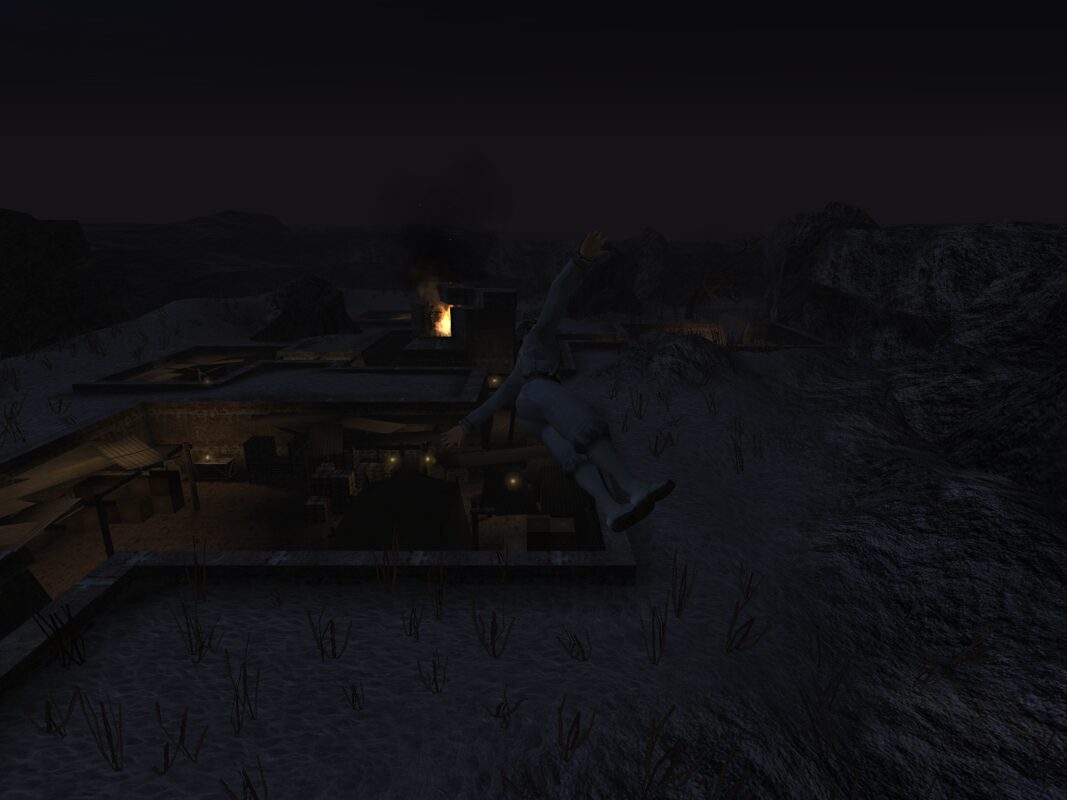
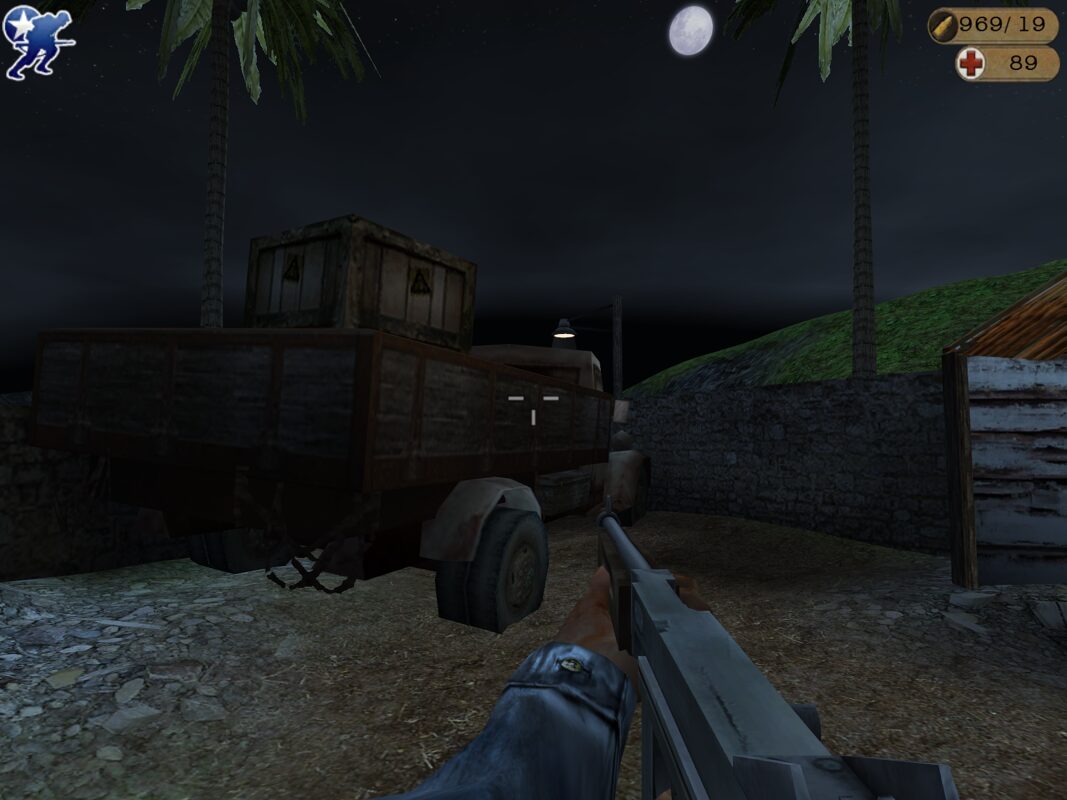
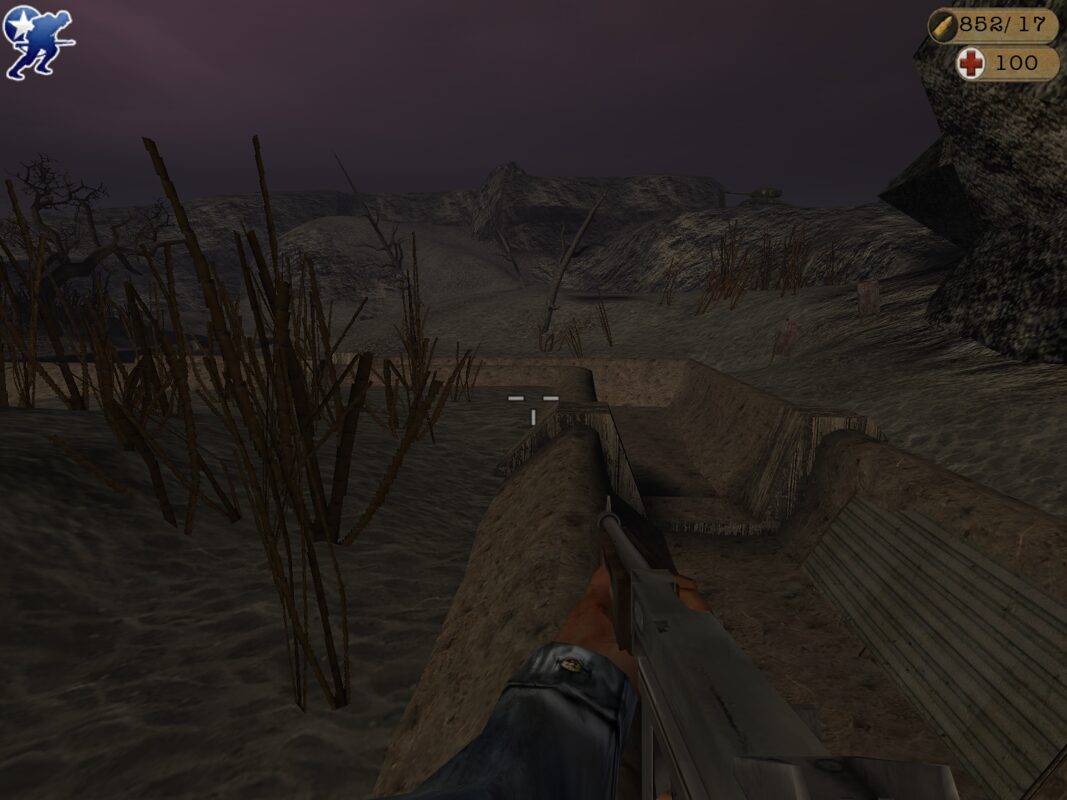
Visually, Iwo Jima doesn’t break new ground, but it captures the stark, sandy landscapes and burned-out bunkers of the historic invasion site. Textures are serviceable if a bit flat up close, and draw distances occasionally reveal subtle pop-in of debris and enemy silhouettes. For a budget title, the environments are competently lit, with dusty sun shafts and muted explosions adding atmosphere without demanding high-end hardware.
Character models and animations can be stiff—soldiers move with mechanical precision, and reload sequences feel repetitive after extended play. That said, large set-piece moments, like charging up the beach under mortar fire or prying open sealed doors, showcase the engine’s ability to deliver cinematic angles. Occasional motion blur and lens flare lend a cinematic sheen during cutscenes, even as the polygons remain relatively low-detail.
Weapon effects are punchy, with muzzle flashes that briefly light up the dim bunkers and satisfying shell casing ejections. Sound design complements the visuals: distant artillery thuds, rat-a-tat machinegun fire, and the rumble of landing craft engines immerse you in a 1945 warzone. While the graphics won’t rival big-budget franchises, they serve the game’s fast-paced combat and keep immersion intact on a budget-friendly rig.
Story
In Iwo Jima, you assume the role of the lone surviving Marine from a squad wiped out by relentless Japanese defenders. The narrative touches on themes of sacrifice, duty, and the fog of war, though it unfolds in lean fashion through brief radio chatter and on-screen objectives rather than deep character moments. Dialogue often plays second fiddle to gunfire, but occasional flashbacks and letter-reading sequences hint at the protagonist’s backstory.
Mission briefings ground each level in real-world history: securing strategic bunkers, rescuing trapped comrades, or silencing coastal artillery positions. Historical snippets pepper the loading screens, giving context to the island’s fierce resistance and the high stakes of each assault. These details enrich the overall setting, even if the script remains concise.
Plot twists are minimal—there’s no grand betrayal or unexpected twist ending—but the constant sense of isolation and mounting casualty count creates an emotional undercurrent. By the final missions, you feel the weight of being the squad’s only survivor. While the storytelling relies heavily on gameplay sequences, it effectively conveys the brutality and desperation of Iwo Jima’s fight for both novice players and WWII aficionados.
Overall Experience
World War II Combat: Iwo Jima delivers a no-frills, budget-priced shooter experience that appeals to those seeking historical battlefields without the bells and whistles of AAA titles. Its linear, mission-based structure and instant health recharge make it approachable for casual gamers or those new to WWII FPS games. If you prioritize tight action over exploration or weapon customization, you’ll appreciate its straightforward design.
However, seasoned veterans of modern shooters may find the lack of depth in AI behavior and fixed weapon assignments limiting. The game doesn’t reinvent the wheel, yet its brisk pacing and authentic setting offer moments of genuine immersion. Sound effects and level design work together to evoke the chaos of the Pacific Theater, even if the underlying mechanics play it safe.
In sum, Iwo Jima is a solid pick for budget-conscious players who want a bite-sized taste of WWII combat. It’s not the most expansive or polished entry in the genre, but its focused gameplay, evocative environments, and historical backdrop provide enough entertainment value to warrant its modest price tag. Fans of Road to Berlin will feel right at home, and newcomers looking for straightforward beach-landing thrills will find plenty to enjoy.


Reviews
There are no reviews yet.