 Retro Replay Retro Replay gaming reviews, news, emulation, geek stuff and more!



Retro Replay Review
Gameplay
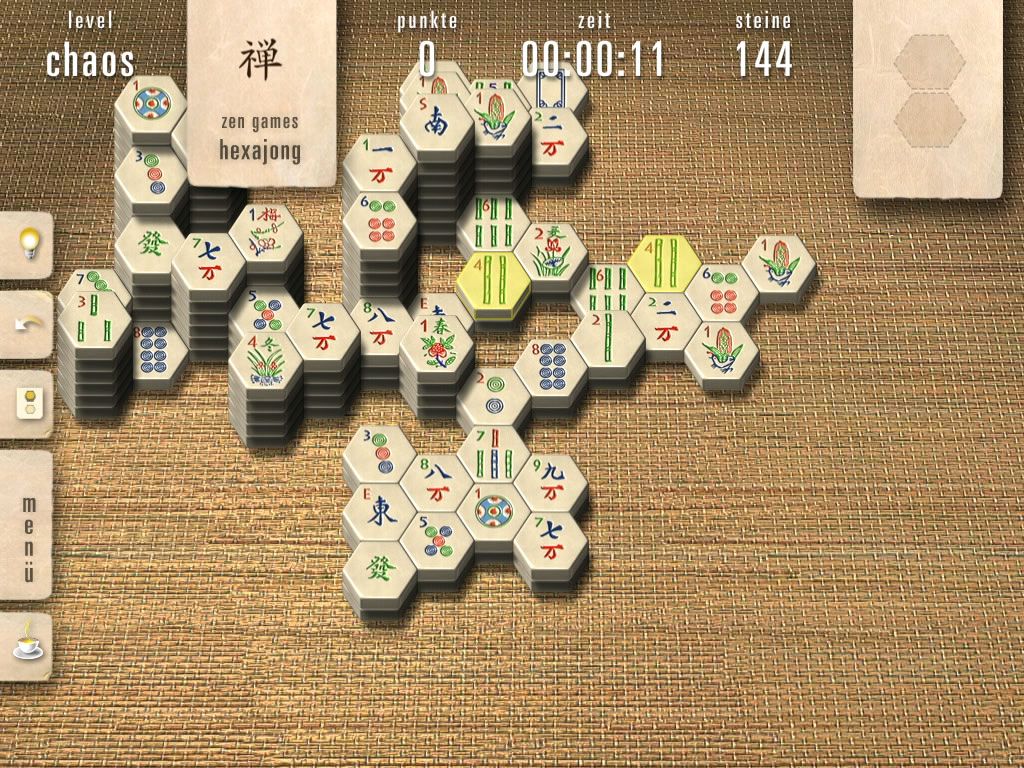
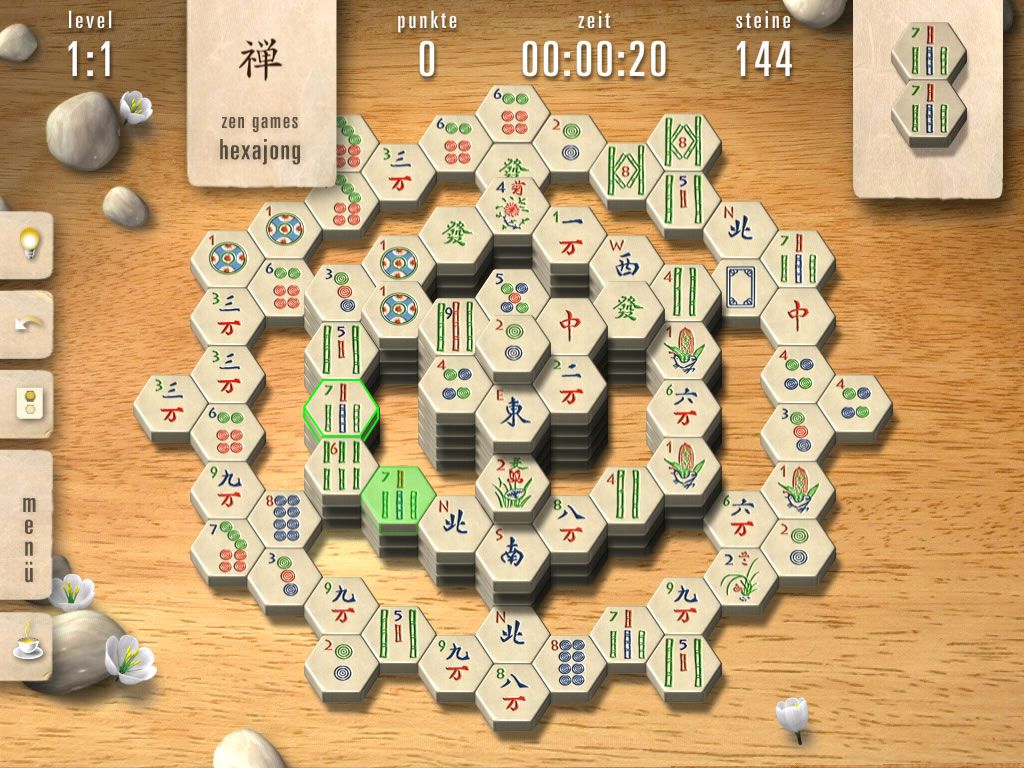
Zen Games delivers two distinct puzzle experiences in a single package, offering both Hexajong and Ishidoku to test your pattern-recognition and logic skills. In Hexajong, players navigate a three-dimensional honeycomb of hexagonal tiles, seeking matching open stones to remove until the board is clear. The core innovation—hexagon-shaped tiles—adds an extra layer of spatial reasoning, as players must consider lateral and diagonal adjacency in addition to the traditional open-tile rule.
(HEY YOU!! We hope you enjoy! We try not to run ads. So basically, this is a very expensive hobby running this site. Please consider joining us for updates, forums, and more. Network w/ us to make some cash or friends while retro gaming, and you can win some free retro games for posting. Okay, carry on 👍)
Ishidoku, on the other hand, replaces numbers with charming figurines and presents them in classic 9×9 grids. The rules remain true to Sudoku’s spirit: no figurine type can appear more than once in any row, column, or 3×3 subgrid. The switch from numbers to thematic icons not only refreshes the familiar formula but also poses a fresh challenge for seasoned Sudoku enthusiasts who rely on visual cues rather than numerical patterns.
Both game modes feature a progressive difficulty curve, from introductory layouts to fiendishly complex setups. You can choose to tackle curated puzzles in linear order or opt for randomly generated boards for near-infinite replay value. Helpful features such as hint systems, undo moves, and highlighting of potential matches ensure that players of all skill levels can find a suitable challenge without feeling overwhelmed.
Graphics
The visual presentation in Zen Games is crisp and inviting. Hexajong’s stones sport clean line work and a pastel palette that accentuates each symbol. The subtle shadows beneath the hexagons give the board depth, making it easy to distinguish layers and plan your next match in this multi-tiered arrangement.
Ishidoku’s interface is similarly polished, with each figurine rendered in a whimsical, almost hand-drawn style. The shapes are instantly recognizable at a glance, yet distinct enough to prevent confusion when scanning crowded rows or columns. A soft gradient background behind the grid provides gentle contrast without distracting from the core logic puzzle.
Transitions and animations are thoughtfully designed to maintain flow. Successful matches in Hexajong dissolve with a satisfying fade, while figurines in Ishidoku pop into place with a subtle bounce. The minimalist UI keeps controls and menus out of the way, ensuring that your focus remains squarely on unraveling each puzzle’s intricacies.
Story
While Zen Games isn’t a narrative-driven title, it weaves a gentle thematic thread that ties both puzzle modes together. Each game unfolds across serene settings—Zen gardens for Hexajong and quaint temple courtyards for Ishidoku—which evolve visually as you progress. These backdrops, while largely decorative, create a meditative ambiance that complements the thoughtful pace of puzzle-solving.
Between levels, you’re treated to brief vignettes: the rustle of bamboo leaves, the trickle of water, or the distant toll of a bell. These little touches don’t introduce characters or plot twists, but they enrich the atmosphere, turning each session into a short retreat from daily distractions. It’s a subtle form of storytelling that encourages calm focus rather than adrenaline rushes.
For players craving narrative depth, the lack of a traditional story arc may feel minimal. However, the game’s quiet progression—from simple boards to the most challenging landscapes—serves as its own story of mastery and personal growth. Overcoming a particularly tough puzzle feels akin to completing a mini-quest, rewarding patience and strategy rather than button mashing.
Overall Experience
Zen Games strikes a fine balance between accessibility and depth. Newcomers will appreciate the intuitive controls and helpful in-game prompts, while puzzle veterans will find enough complexity in the upper tiers to stay engaged for hours. The dual offerings of Hexajong and Ishidoku mean you’re effectively getting two full puzzle titles in one package.
The seamless integration of random board generation ensures that no two playthroughs are exactly alike, significantly boosting replayability. Couple this with optional tutorials, difficulty settings, and assist features, and you have a game that welcomes casual players and seasoned strategists alike. The zen-like presentation further elevates the experience, transforming a standard puzzle romp into a relaxing mind exercise.
Whether you’re unwinding after a long day or seeking a mental workout on the go, Zen Games provides a thoughtfully crafted puzzle collection that stands out in a crowded market. Its charming visuals, meditative audio cues, and layered challenges make it an excellent choice for anyone looking to sharpen their wits in a tranquil digital setting.



Reviews
There are no reviews yet.