 Retro Replay Retro Replay gaming reviews, news, emulation, geek stuff and more!
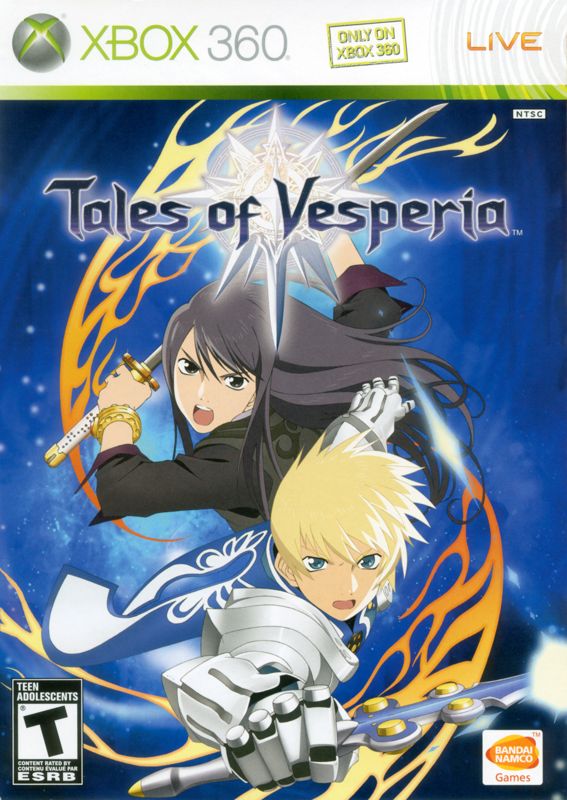
Retro Replay Review
Gameplay
Tales of Vesperia’s gameplay strikes a dynamic balance between exploration and real-time combat, offering both seasoned JRPG fans and newcomers an accessible yet deep experience. You move Yuri Lowell freely through towns, dungeons, and the open world of Terca Lumireis, uncovering hidden treasures and optional challenges as you go. Random encounters are replaced with visible foes on the field, giving players the opportunity to engage or avoid combat and plan their approach.
(HEY YOU!! We hope you enjoy! We try not to run ads. So basically, this is a very expensive hobby running this site. Please consider joining us for updates, forums, and more. Network w/ us to make some cash or friends while retro gaming, and you can win some free retro games for posting. Okay, carry on 👍)
Once a battle begins, you’ll step into the Linear Motion Battle System, an evolution of the mechanics first seen in Tales of the Abyss. Each character can dash, jump, guard, chain together basic attacks, and unleash powerful artes that consume Technical Points (TP). This real-time setup encourages reflexive play, rewarding well-timed dodges and counters. Meanwhile, you can program allies’ AI tactics—letting your party heal, defend, or go on the offensive under preset conditions—so you can focus on the hero you’re controlling.
Combos are a highlight: by stringing normal attacks into artes, you create flashy sequences that deal hefty damage and leave enemies staggered. As you progress, skills unlock through leveling, granting access to more elaborate artes, passive boosts, and stat increases. Side activities—like cooking, fishing, and guild quests—supplement the main storyline, offering materials that enhance equipment and teach you new techniques. The result is a well-paced progression loop that keeps both combat and exploration feeling fresh throughout dozens of hours.
Graphics
Tales of Vesperia’s art direction leans into vibrant cel-shading and richly detailed environments. From the bustling streets of Zaphias to the mysterious ruins powered by ancient blastia, each locale feels distinct and alive. Character models enjoy sharp outlines and smooth animations, making every spell cast or sword swing look weighty and impactful.
The game’s use of color is particularly striking: lush green forests contrast sharply with the cold steel of Imperial fortresses, while the glow from active blastia devices bathes scenes in warm hues. During key story moments, the camera shifts to closer angles, emphasizing character expressions and adding emotional weight to dramatic lines. Even auxiliary cutscenes—when Estelle or Flynn steps forward to deliver pivotal dialogue—benefit from crisp animation and thoughtful framing.
On its original hardware, Vesperia set a high bar for the series, but subsequent HD releases have polished textures and enhanced lighting still further. Whether you’re admiring the sun’s reflection on water-gated blastia or the swirling storms that threaten a frontier town, the graphical presentation remains both functional and artistically coherent, serving the narrative and gameplay without ever feeling hollow.
Story
Set ten years after a devastating war, Tales of Vesperia unfolds in Terca Lumireis—a land whose safety depends on blastia, ancient devices that power city shields and everyday comforts alike. The Empire claims centralized control over this lifeblood technology, while numerous guilds operate on the fringes, offering an alternate way of life. This tension between order and freedom forms the backdrop for Yuri Lowell’s adventure.
Yuri’s journey begins when he’s imprisoned for chasing a thief who sabotaged the lower quarter’s water blastia. He escapes alongside Estelle—a bright-hearted young aristocrat searching for her missing knight friend, Flynn. Their shared quest soon snowballs, drawing in a colorful cast of allies, each with their own ties to blastia’s secrets and the empire’s machinations. Over the course of dozens of chapters, friendships are tested, conspiracies unravel, and moral questions about technology and authority come to a head.
What sets Vesperia’s story apart is its character-driven approach. Yuri’s pragmatic worldview collides with Estelle’s idealism, creating lively debates about justice and loyalty. Secondary characters, from the enigmatic sorceress Rita Mordio to the stalwart Repede the dog, each earn memorable personal arcs that intertwine with the main plot. By the finale, you’re as invested in each party member’s growth as you are in the fate of the world itself.
Overall Experience
Tales of Vesperia remains one of the most engaging entries in the long-running Tales series, thanks to its blend of refined combat, memorable characters, and a sprawling narrative. The interplay of narrative choices—like which guild quests to tackle or how to allocate your skill points—gives the experience a personal flavor, encouraging multiple playthroughs to see every facet of the story.
With a soundtrack that ranges from upbeat town themes to stirring orchestral pieces during dramatic setpieces, the audio design amplifies the world’s emotional highs and lows. Voice acting is likewise a strong suit, adding nuance to every quip, revelation, and cliffhanger. Combined with the game’s varied locales and optional side content, Vesperia delivers well over 50 hours of content on a first run, with ample reason to stick around for post-game challenges.
Whether you’re a longtime JRPG enthusiast or seeking a captivating gateway into the genre, Tales of Vesperia offers a compelling package. Its polished battle system keeps combat engaging from start to finish, while its heartfelt story and vivid worldbuilding make every hour invested feel worthwhile. For players who appreciate character interactions as much as loot-fueled progression, Vesperia stands as a nearly timeless adventure.


Reviews
There are no reviews yet.