 Retro Replay Retro Replay gaming reviews, news, emulation, geek stuff and more!
Retro Replay Review
Gameplay
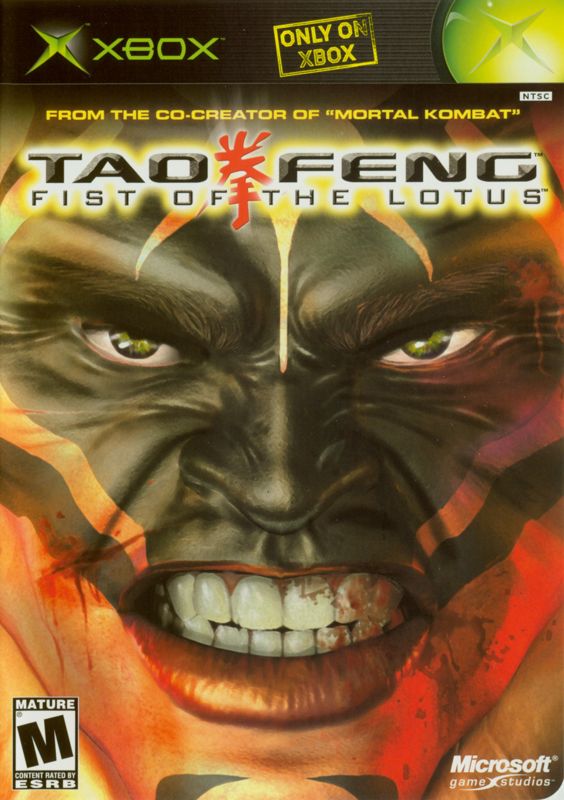
Tao Feng: Fist of the Lotus sets itself apart from other fighting titles by introducing a deep limb-damage system that directly affects combat effectiveness. Every block, strike, and collision with environmental hazards can damage arms or legs, drastically reducing attack power or mobility by up to 50%. This forces players to think strategically about defense as well as offense—turtling behind shields comes at the cost of broken arms, while reckless charging can leave you unable to escape.
(HEY YOU!! We hope you enjoy! We try not to run ads. So basically, this is a very expensive hobby running this site. Please consider joining us for updates, forums, and more. Network w/ us to make some cash or friends while retro gaming, and you can win some free retro games for posting. Okay, carry on 👍)
The environmental interactivity in Tao Feng truly elevates the gameplay. Fighters can flip off walls, swing on poles, throw opponents through glass panels, or even send rivals crashing into razor-sharp scaffolding. Each arena is designed as a dynamic battleground, encouraging players to blend martial prowess with stage hazards. Pulling off a pole-swing uppercut or a ring-out through a roof hatch feels immensely satisfying and rewards spatial awareness as much as timing.
CHI attacks add another layer of tactical depth. Each character’s CHI meter builds as they land hits, block incoming attacks, or perform risky maneuvers. When unleashed, these special moves can devastate opponents and shatter parts of the environment—sending shards of glass flying or knocking down pillars to create new hazards. Managing your CHI bar and choosing the right moment to strike can turn the tide of battle in dramatic fashion.
Graphics
Visually, Tao Feng stands out with its raw, gritty aesthetic. Characters sport realistically torn clothing, blood-soaked bruises, and visible fractures that evolve dynamically through the fight. This level of detail heightens immersion, allowing you to read your opponent’s state at a glance and feel the impact of every punch or kick.
The arenas themselves are richly rendered with interactive props and breakable surfaces. From temple rooftops to industrial warehouses, each location features destructible elements that respond believably to combat. Shards of glass scatter, wooden beams splinter, and metal pipes bend under pressure, showcasing the game’s commitment to environmental fidelity.
Lighting and particle effects further enhance the visceral nature of the battles. Sparks fly when weapons clash, dust swirls in the air after a heavy slam, and fiery CHI explosions illuminate characters in dramatic silhouettes. Although the game predates modern HD standards, its art direction and technical execution still hold up, delivering a fierce, cinematic spectacle.
Story
Tao Feng’s narrative unfolds against the backdrop of ancient and modern China, where two rival factions vie for control over mystical energy sources. While the core premise centers on the classic struggle of good versus evil, it gains depth through individual character motivations and personal vendettas. Each fighter carries a unique backstory that intertwines with the faction war, offering players insight into why they fight.
Although the story beats follow familiar tropes—powerful artifacts, secret orders, and redemption arcs—the delivery is solid. In-engine cutscenes and onscreen dialogue establish stakes effectively, and the pace rarely drags. The game’s brevity works in its favor; it tells a concise tale without bloating the experience or resorting to filler missions.
Beyond the main campaign, character galleries and unlockable bios enrich the lore, detailing martial lineages and forbidden CHI techniques. For enthusiasts who crave narrative context between bouts, these extras provide additional layers of engagement and encourage replay to uncover every secret.
Overall Experience
Playing Tao Feng feels like stepping into a brutal martial-arts epic where every blow counts. The innovative limb-damage system forces a departure from button-mashing habits, rewarding precision and tactical planning. Even casual players will appreciate the visceral thrill of environment-based finishers, while hardcore fighters can delve into advanced CHI management and hazard exploitation.
On the downside, the learning curve can be steep for newcomers unaccustomed to damage-specific mechanics or stage control. Matches may feel unforgiving at first, and mastering each fighter’s unique rhythm takes time. However, patience pays off—once you learn to read damage indicators, chain environmental combos, and time CHI strikes, sessions transform from chaotic brawls into rewarding tests of skill.
Ultimately, Tao Feng: Fist of the Lotus offers a fresh take on the one-on-one fighting genre. With its gritty visuals, destructible arenas, and strategic depth, it remains a memorable title for fans of Mortal Kombat co-creator John Tobias’s vision. Whether you’re seeking a hardcore fighting challenge or simply crave a game that breaks the mold, Tao Feng delivers an experience well worth exploring.


Reviews
There are no reviews yet.