 Retro Replay Retro Replay gaming reviews, news, emulation, geek stuff and more!

Retro Replay Review
Gameplay
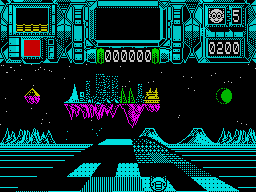
Plexar’s gameplay is built around traversing a complex network of futuristic roadways, originally constructed by the Miracle Engineers before their demise. Each of the 16 islands is connected by two distinct types of courses: one set of tracks that moves continuously beneath your ball, and another set where you have full control over movement but face tighter spaces and treacherous obstacles. This duality keeps each level feeling fresh, as you’re constantly switching between timing-based jumps and precision steering.
(HEY YOU!! We hope you enjoy! We try not to run ads. So basically, this is a very expensive hobby running this site. Please consider joining us for updates, forums, and more. Network w/ us to make some cash or friends while retro gaming, and you can win some free retro games for posting. Okay, carry on 👍)
On the constantly moving routes, you’ll be challenged to judge the timing and length of your jumps, launching over gaps and onto platforms that scroll at a steady pace. The risk of miscalculation is high—falling behind even briefly forces you to restart the section. In contrast, the fully controllable roads emphasize reactive dexterity, requiring you to dodge spinning barriers, retractable spikes, and electrified panels. These hazards demand quick reflexes and careful planning in equal measure.
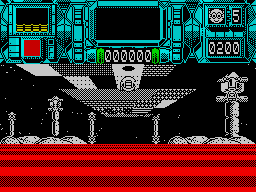
Once you successfully navigate a roadway and reach a control tower, the perspective shifts from 3D to a top-down view. Here, the gameplay turns stealthy: you must infiltrate the tower, avoid patrolling control robots, and deactivate security systems to secure the island’s control hub. This sudden change of pace adds variety and depth, ensuring that the game never feels one-note.
Graphics
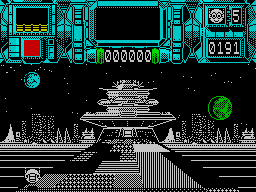
Plexar’s visuals are presented in monochrome, a deliberate choice to sidestep the notorious colour clash limitations of the home computer hardware it was designed for. Despite the lack of color, the developers utilize shading and line work to create clear visual distinctions between safe platforms, hazardous tiles, and moving elements. This minimalist approach ensures that you’re never in doubt about where you can or cannot land.
The 3D roadway sections benefit from a crisp, angular perspective that conveys a genuine sense of depth and speed as you barrel forward. The shifting tiles and obstacles pop against the darker background, making upcoming hazards easy to spot with a quick glance. When you enter the towers, the top-down view retains the same clean lines but switches to a more grid-like aesthetic, fitting the puzzle-stealth gameplay that follows.
Overall, Plexar’s graphical style is functional yet striking. By embracing the monochrome palette, it achieves a consistent visual identity that feels futuristic and cohesive. The smoothness of the scrolling and the simple but effective sprite animations combine to make the action clear and the challenges fair, even in the most hectic moments.
Story
At the heart of Plexar lies the legend of the Miracle Engineers, a brilliant civilization that crafted an elaborate roadway network before succumbing to a mysterious virus. These engineers left behind control towers on each island, presumably the key to understanding—or even reversing—their fate. Your mission is to journey across this interconnected archipelago and conquer each tower to unlock the truth.
The narrative unfolds gradually through brief on-screen messages and environmental clues. You begin with a sense of exile, stranded on the first island with only rudimentary instructions. As you clear additional towers, bits and pieces of the Engineers’ final communications come to light, painting a picture of hubris, innovation, and tragic downfall. This drip-feed of exposition keeps you motivated to press onward, hoping to uncover the full story.
Though Plexar doesn’t rely on elaborate cutscenes or lengthy dialog, its world-building is effective. The stark visual design complements the theme of a fallen utopia, and the constant threat of failure mirrors the fate of those who tried before you. By the time you approach the final islands, the atmosphere has shifted from curious exploration to tense determination, making each successful level feel genuinely earned.
Overall Experience
Plexar offers an engaging fusion of fast-paced obstacle courses and strategic stealth segments, creating a rhythm that keeps you hooked from start to finish. Its learning curve is firm but fair: early levels serve as a crash course in timing and movement, while later islands demand perfection in control and split-second decision-making. This escalation of difficulty makes the game deeply satisfying for players who relish mastering complex mechanics.
The minimalist graphics and sound design work in harmony to deliver a cohesive futuristic ambiance. Though the monochrome palette might seem limiting at first, it quickly becomes part of Plexar’s charm—every shadowed tile and gleaming walkway feels deliberate. The soundtrack and effects are subtle, yet they heighten tension precisely when you need to make that critical leap or evade a patrolling robot.
For fans of retro platformers and puzzle-stealth hybrids, Plexar is a standout experience. Its short loading times and tightly designed levels invite repeated attempts, perfect for quick play sessions or lengthy marathon runs. While it pays homage to classics like Trailblazer, Plexar stands on its own with unique mechanics and a haunting backstory that will keep potential buyers intrigued long after they’ve powered down their machines.



Reviews
There are no reviews yet.