Retro Replay Retro Replay gaming reviews, news, emulation, geek stuff and more!

Final Fantasy VII’s Lost Detective Story: How Cloud Almost Became Detective Joe
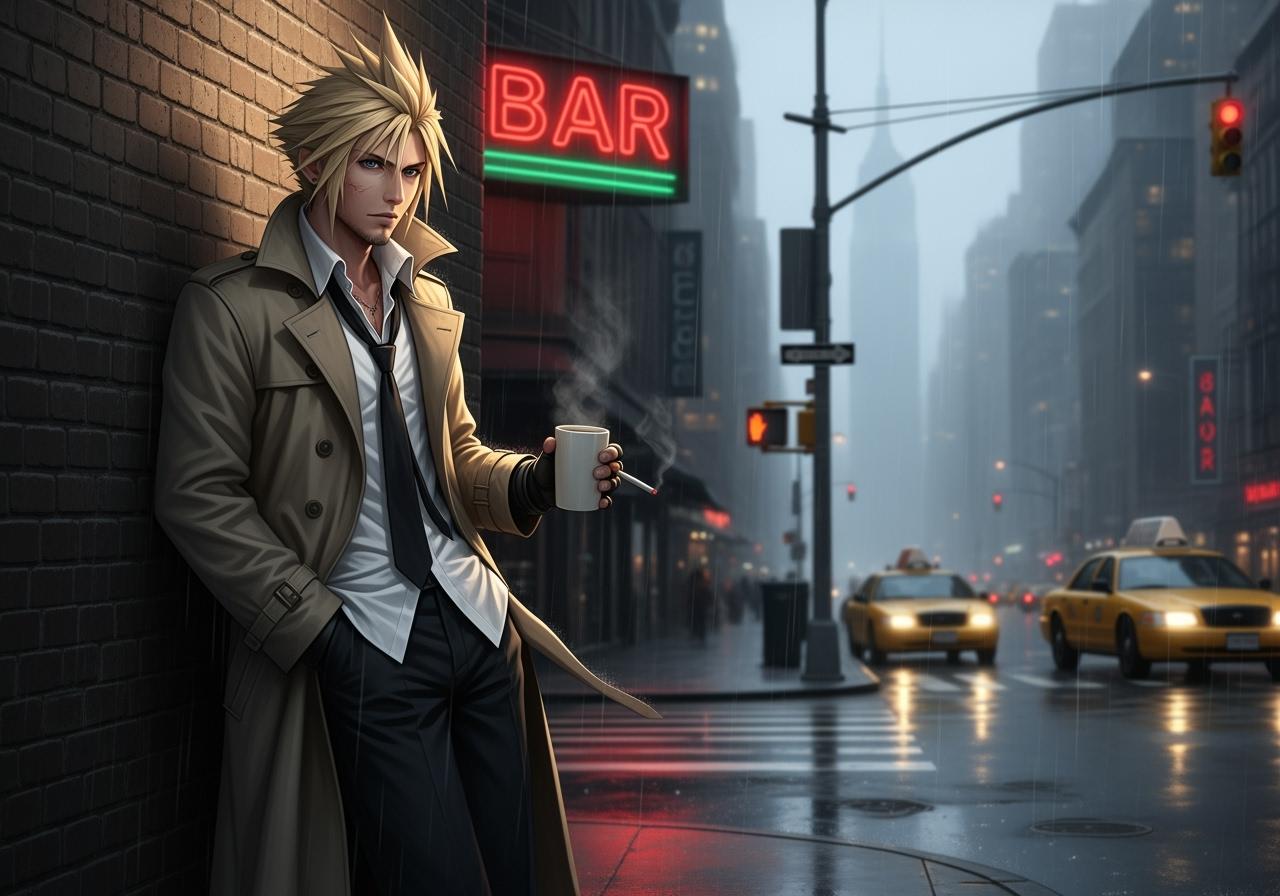
When most people think of Final Fantasy VII, they imagine Cloud Strife standing in front of Midgar’s skyline, sword on his back, as the camera pans up toward the giant Mako Reactor. It is one of the most iconic scenes in all of gaming. Yet few fans know that before Cloud ever existed, the game’s story looked radically different. The earliest version of Final Fantasy VII was not set in Midgar at all but in a modern city modeled after New York in the year 1999. And instead of a spiky-haired mercenary, the protagonist was a trench coat-wearing detective known as Hot Blooded Detective Joe.
(HEY YOU!! We hope you enjoy! We try not to run ads. So basically, this is a very expensive hobby running this site. Please consider joining us for updates, forums, and more. Network w/ us to make some cash or friends while retro gaming, and you can win some free retro games for posting. Okay, carry on 👍)
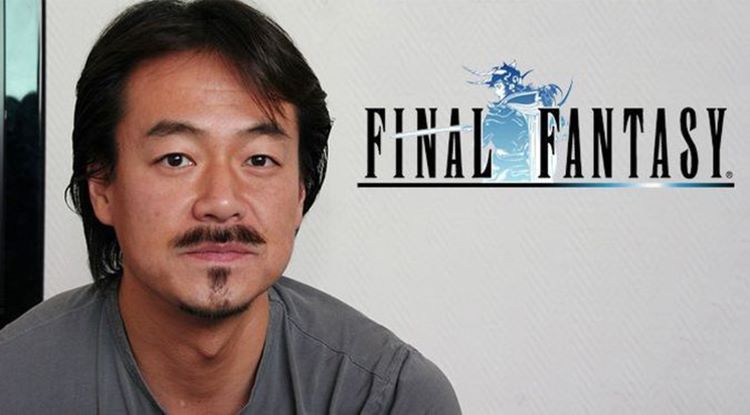
It sounds like a parody, but the idea came straight from Hironobu Sakaguchi, the creator of the Final Fantasy series. According to the official Final Fantasy Wiki’s development history, Sakaguchi originally wanted to tell something closer to a crime drama. His first draft featured Detective Joe pursuing a group of eco-terrorists who were planting bombs in reactors across the city. The catch? Those eco-terrorists eventually became the heroes we know today, AVALANCHE. In other words, the original hero was chasing the very people players would one day control.
The shift from Joe’s noir-inspired detective story to Cloud’s science-fantasy saga is one of the most fascinating pivots in video game history. It shows just how fluid development can be and how even the wildest ideas can leave behind fingerprints that shape the final product. Before we had Cloud, Sephiroth, and Aerith, we almost had Joe, the hard-nosed cop of 1999 New York.
Detective Joe and the New York Setting
Sakaguchi’s first version of the story leaned heavily on modern imagery. He imagined New York in 1999, with neon signs, crowded streets, and looming skyscrapers. Instead of swords and spells, the setting would have felt closer to a noir film or a late-night crime drama. The protagonist, Detective Joe, was described as “hot blooded,” meaning emotional, determined, and sometimes reckless. His job was to chase down criminals who were targeting the city’s energy infrastructure.
This setup is confirmed in multiple retrospectives. The Final Fantasy Wiki notes that Joe was explicitly written into the earliest drafts, and that he was intended to pursue “the main characters who blew up the city of Midgar.” This is important, because Midgar as a setting already existed at this point. In other words, Sakaguchi had created the city and the eco-terrorists, but he placed players in the role of the detective trying to stop them.
Gaming outlets have picked up on this strange twist of history. Siliconera reported that early plans tied the story directly to New York and reactors there, before the team shifted it into the fictional Midgar we know. TheGamer also notes how Joe’s pursuit of bombers foreshadows the opening mission of the final game, where Cloud and Barret blow up a Mako Reactor, only this time, we see it from the rebels’ perspective rather than the cop’s.
It is one of those details that makes gaming history so strange and so fun. The basic conflict, rebels planting bombs in reactors to fight a corrupt system… stayed intact. The only thing that changed was the side players were asked to sympathize with. Imagine for a moment if that perspective had never flipped. Instead of siding with Cloud and Barret, players would have spent the game hunting them down.
Why Square Abandoned Detective Joe
If Sakaguchi’s original script gave us a hot-blooded detective chasing eco-terrorists, why did Square ever change it? The answer comes down to scale, perspective, and the collaborative chaos of game development in the mid 1990s.
First, there was the issue of scope. The PlayStation was new hardware, and Square wanted to use its horsepower to tell a truly cinematic story. The urban realism of 1999 New York limited what they could do. A fictional city gave them the freedom to design the towering plates and neon slums that became Midgar. In fact, early sketches of Midgar already existed during Sakaguchi’s detective draft, showing the team’s desire to build something bigger and stranger than a real-world setting could offer (Final Fantasy Wiki). Midgar itself was too strong an idea to stay a backdrop for a noir story.
Second, the detective’s perspective created a narrative problem. If Detective Joe was the player character, then the eco-terrorists were the villains. Yet as writers Yoshinori Kitase and Kazushige Nojima became more involved, they started to see the story’s emotional weight on the rebels’ side. These bombers were not just criminals. They were fighting for the planet itself. By flipping the perspective and making the bombers the protagonists, the team found a way to make the audience empathize with their cause. The same reactor bombing scenario that Joe would have tried to stop became the opening mission we now play as Cloud and Barret.
Third, Square’s development culture at the time meant ideas were never wasted. Sakaguchi’s “detective story” impulse did not vanish so much as scatter. Elements of the detective concept resurfaced in Parasite Eve, another Square project that took place in New York City and put players in the shoes of a police officer confronting supernatural threats. Fans often point to Parasite Eve as the place where the Joe draft went after it was cut from Final Fantasy VII (The gamer).
By the time the dust settled, Detective Joe was gone, Midgar had grown into its own dystopian star, and Cloud Strife was born. It was not the story Sakaguchi had first outlined, but it was the one that fit the ambitions of Square in 1997.
What Survived from the Detective Joe Draft
Even though Detective Joe was cut from the final script, his fingerprints remain all over Final Fantasy VII. The most obvious example is the opening mission, where Cloud and Barret plant a bomb in a Mako Reactor. This is nearly identical to the kind of act Joe was once written to stop, but by flipping the perspective from law enforcement to rebels, the story gave players a new moral framework. What began as a noir pursuit of eco-terrorists became the iconic introduction to one of gaming’s greatest epics.
Sakaguchi’s early ideas also carried forward in subtler ways. His vision for a story about mortality and grief evolved into the Lifestream concept and Aerith’s death, one of the most emotional moments in RPG history. Even Midgar itself, with its gritty, urban sprawl, still feels closer to New York City than to traditional fantasy settings, a detail that harkens back to Joe’s origins. As IGN’s History of Final Fantasy VII points out, the game’s mix of realism and fantasy gave it a cinematic weight that separated it from its predecessors (IGN).
Looking back, it is almost funny to imagine Final Fantasy VII as a detective drama set in 1999 New York, yet traces of that vision shaped the masterpiece we know today. Fans still joke on forums about how bizarre it would have been, but they also recognize that Joe was the stepping stone to Cloud, Sephiroth, and a story that redefined what RPGs could be. Detective Joe never made it to the screen, but his DNA lives on in the reactors that explode, the corporate powers that oppress, and the cityscapes that loom. In that sense, he helped Square find the story they truly wanted to tell, turning a scrapped draft into the foundation of a legend.