 Retro Replay Retro Gaming History, Reviews & Emulation
Retro Replay Review
Gameplay
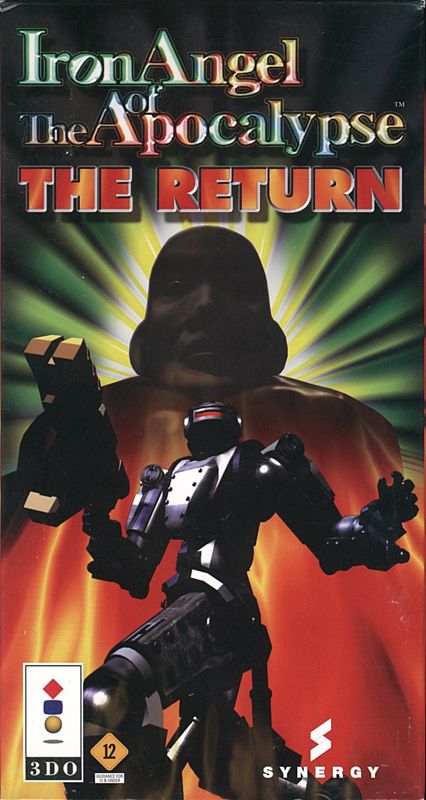
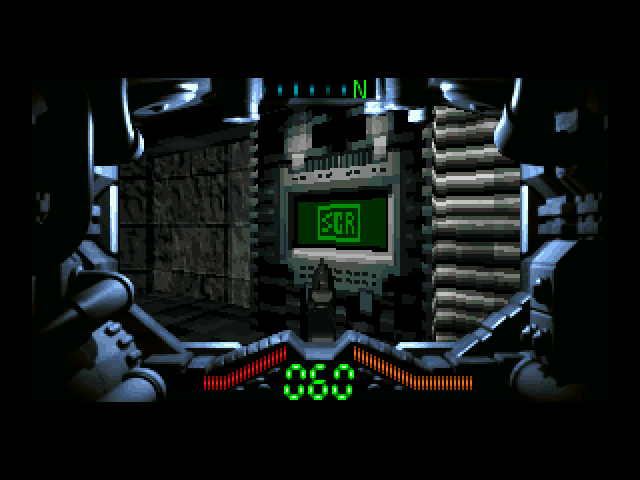
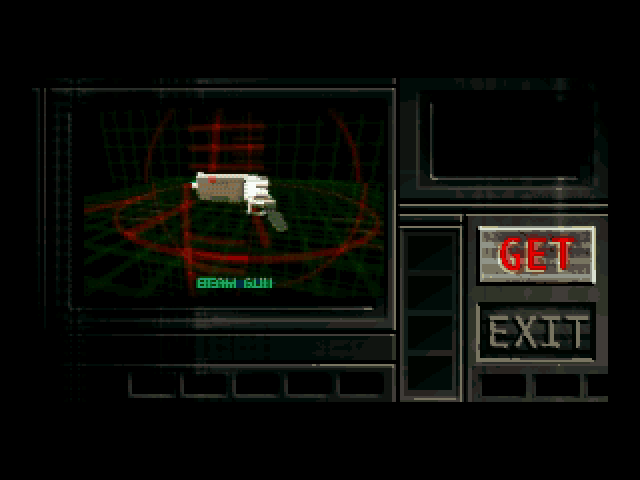
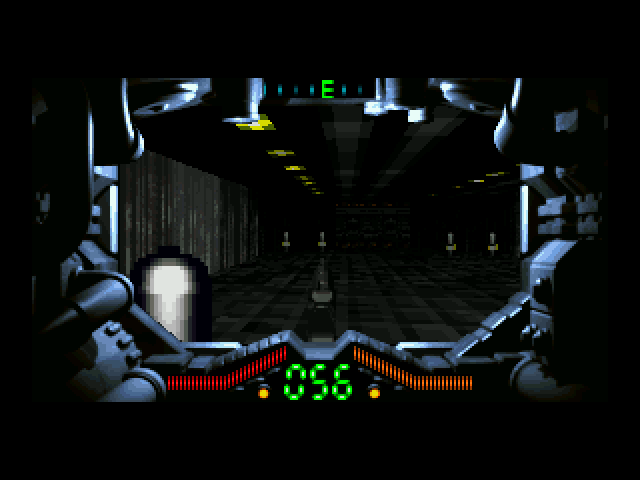
Iron Angel of the Apocalypse: The Return builds upon the core first-person shooter mechanics of its predecessor, offering tighter weapon handling and more responsive controls. Players slip into the role of Tetsujin armed with an arsenal of futuristic firearms and experimental energy weapons. Each weapon feels distinct, from rapid-fire pulse rifles to high-impact plasma cannons, making encounters varied and satisfying.
Level design strikes a careful balance between linear corridors and open arenas. While key story missions funnel you through claustrophobic industrial complexes, optional side paths reveal hidden caches and environmental lore. This encourages exploration without sacrificing narrative momentum, ensuring you’re constantly enticed to search every nook and cranny for upgrades and intel.
The game’s integration of video cutscenes remains a signature feature, but this time they’re interwoven more seamlessly with gameplay. Rather than halting the action, many transitions occur dynamically: you might walk through a door and trigger a CG scene that blends into your next gunfight. This maintains immersion and keeps the pacing brisk, reducing downtime between narrative beats and firefights.
Graphics
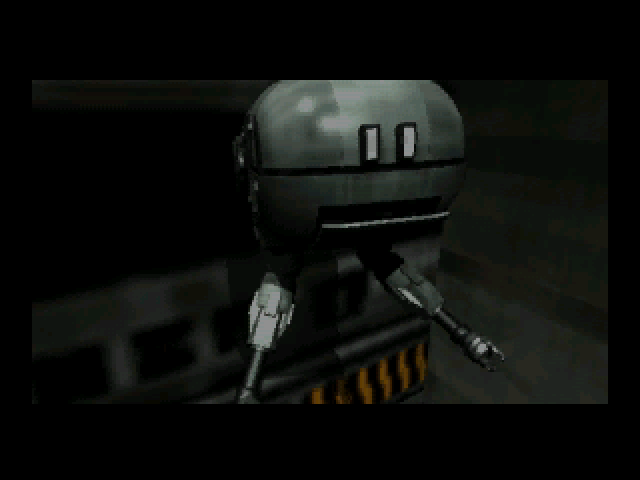
Visually, The Return is a marked improvement over the original. The new CG-based character models look more polished and expressive, replacing the live-action footage used previously. Facial animations capture subtle emotions during tense exchanges, and the sleek, metallic sheen on Tetsujin’s mech-suit reflects light realistically as you move through different environments.
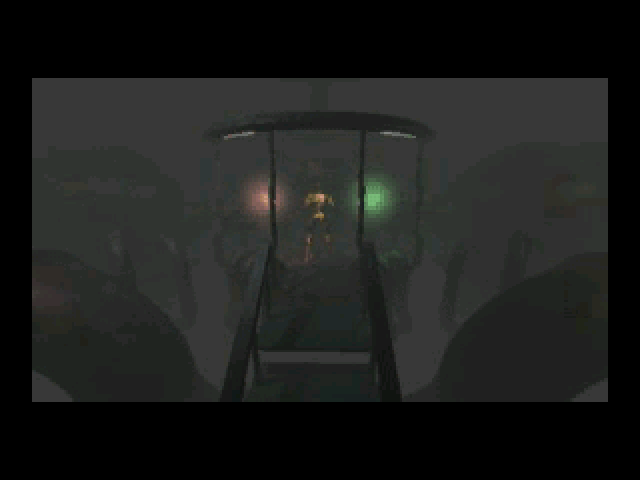
Environments themselves benefit from upgraded lighting and texture work. Dimly lit research labs are bathed in flickering emergency lights, casting dynamic shadows that heighten suspense. In contrast, outdoor facility decks under a blood-red sky showcase volumetric fog and particle effects, giving the dystopian world a visceral, otherworldly atmosphere.
Performance has also seen a boost: frame rates remain stable even during large-scale battles with multiple enemy waves and elaborate scripted events. Load times are shorter, and transitions between indoor and outdoor areas feel instantaneous. While occasional texture pop-in can occur in heavily detailed zones, it rarely detracts from the overall visual spectacle.
Story
The Return picks up moments after Tetsujin’s cataclysmic confrontation with the Scientist and the Android. Having been disembodied in the aftermath, he’s recruited by the enigmatic corporation known as SCR, who offers him a new synthetic body. From the outset, the narrative poses a compelling mystery: what are SCR’s true motives, and can Tetsujin trust his benefactors?
Storytelling relies heavily on CG cutscenes to convey character interactions and plot revelations. Key moments—such as the activation of Tetsujin’s new mech-frame or his first glimpse of SCR’s clandestine research—are presented with cinematic flair. Dialogue is well-paced, and voice actors deliver performances that ground the sci-fi drama in relatable human emotions.
Amidst the action, subplots involving rogue scientists and internal corporate factions add layers of intrigue. Players uncover audio logs, decrypted emails, and visual diaries that flesh out the world’s backstory. These collectibles not only reward inquisitive players but also expand on themes of identity, corporate overreach, and the ethics of biomechanical augmentation.
Overall Experience
Iron Angel of the Apocalypse: The Return offers a cohesive package for fans of narrative-driven shooters. Its improved gameplay mechanics, refined graphics engine, and immersive storytelling create a compelling follow-up to the original. Whether you’re navigating SCR’s secret facilities or unraveling hidden conspiracies, the game maintains a relentless sense of forward momentum.
Replayability is enhanced by optional objectives, branching dialogue choices, and multiple difficulty settings. Players seeking a tougher challenge can face smarter enemy AI and fewer health pickups, while those drawn to the lore can hunt every piece of hidden data. This flexibility ensures both newcomers and series veterans find a satisfying experience.
Overall, the sequel succeeds in modernizing the formula without losing the atmospheric tension that defined the first Iron Angel of the Apocalypse. With its fast-paced action, engaging narrative, and stylish visuals, The Return is a strong contender for anyone craving a blend of retro-inspired FPS gameplay and cinematic sci-fi storytelling.



Reviews
There are no reviews yet.