 Retro Replay Retro Replay gaming reviews, news, emulation, geek stuff and more!

Retro Replay Review
Gameplay
Rotor’s gameplay strikes a compelling balance between precision flying and strategic resource management. You pilot a hovering battle tank through intricate 2D labyrinths, fighting the constant pull of gravity and deftly avoiding deadly collisions with walls and enemies. Your tank rotates freely in all directions, and an afterburner allows bursts of acceleration—reminding you of classic titles like Asteroids and Lunar Lander—while demanding surgical control to thread narrow corridors.
(HEY YOU!! We hope you enjoy! We try not to run ads. So basically, this is a very expensive hobby running this site. Please consider joining us for updates, forums, and more. Network w/ us to make some cash or friends while retro gaming, and you can win some free retro games for posting. Okay, carry on 👍)
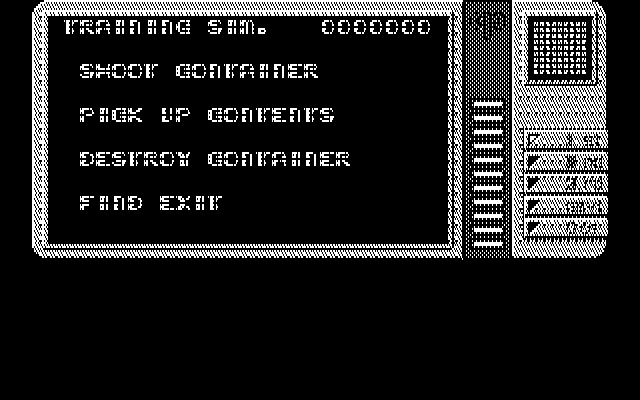
Beyond pure navigation, Rotor layers in a tactical element by scattering destructible boxes throughout each fortress. Shooting these containers yields one of four items: fuel to keep your afterburner and weapons operational, sun crystals to progress toward mission completion, time-delayed bombs that force rapid exits or risk catastrophic self-destruction, and pearls that upgrade your tank’s rotation, thrust, shields, and more. Deciding whether to grab a ticking bomb for bonus credits or leave it behind becomes a heart-pounding gamble each time.
Enemies in Rotor are stationary but deadly, firing straight projectiles that create gauntlets of bullets to weave through. Turrets pepper the halls with precision fire, while attractors, repulsors, and force‐field switch mechanisms add layers of environmental hazard. These elements, combined with the ever-dwindling fuel gauge and increased weight when carrying extra loot, make each fortress an exercise in patience, memorization, and calculated risk. The result is far more than an arcade shooter: it’s a study in tactical restraint and split-second decision-making.
Graphics
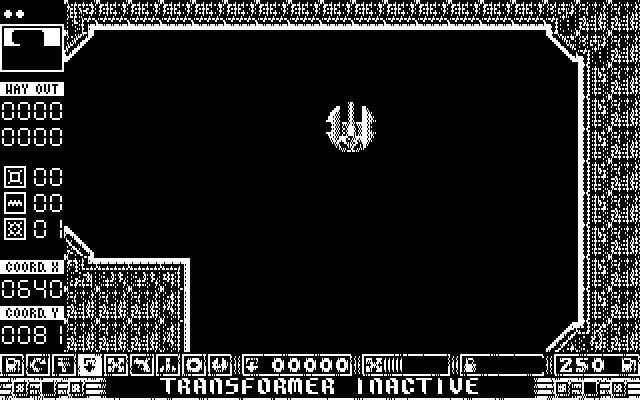
Visually, Rotor embraces a minimalist yet atmospheric 2D aesthetic. Each fortress is rendered in crisp, neon-tinged wireframes against a stark backdrop, giving the game a futuristic, almost sci-fi blueprint vibe. Walls, corridors, and mechanical hazards stand out clearly, ensuring you can plan maneuvers at a glance even when the action heats up.
While Rotor doesn’t rely on flashy particle effects or high-resolution textures, its clean art style serves gameplay exceptionally well. The contrast between the dark maze and the bright tank trail from the afterburner allows you to track your movement precisely. Exposive detonation animations—especially when bombs go off—add just enough visual flourish to keep every near-miss thrilling without cluttering the screen.
The game’s UI elements are equally straightforward: fuel meters, crystal counters, and upgrade indicators sit unobtrusively along the edges. This design choice keeps your attention firmly on the central playfield. Though some players may crave more decorative detail, the purposeful simplicity ensures that every pixel guides your flight path rather than distracting from the tense challenge.
Story
Rotor doesn’t weave an elaborate narrative but instead presents a sparse, mission-driven framework: navigate 18 fortresses, collect all sun crystals, and escape before your fuel runs dry or a bomb detonates. This stripped-down premise lends the game a distilled sense of urgency, as there’s little to distract you from the core task of survival and resource gathering.
The world-building arises from environmental storytelling rather than cutscenes or text logs. Each fortress layout feels distinct—some bristle with attractor arrays, others trap you in narrow chambers requiring split-second boosting. As you progress, you piece together an implicit tale of a lone rotor tank on a desperate quest through hostile strongholds, relying solely on upgrades scavenged from pearls and boxes.
Despite the lack of a traditional plot, Rotor’s tension-driven design creates its own narrative arc. Early levels teach you basic maneuvering and enemy patterns; mid-game fortresses demand mastery of weight-induced drift when carrying heavy loot; late stages pits you against labyrinths so convoluted that a single misstep spells doom. The story of your skill progression becomes the game’s most compelling tale.
Overall Experience
Rotor delivers an experience that’s equal parts cerebral and visceral. The unique blend of gravity-influenced flight, resource conservation, and environmental puzzles keeps you perpetually engaged. There’s an immense satisfaction in threading your Rotor through a gauntlet of bullets, snagging a final crystal, then rocketing to the exit before a bomb timer runs out.
While the challenge curve is steep, the upgrade system softens the difficulty by rewarding exploration and meticulous play. Progress can sometimes feel punishing—misjudged boosts or unexpected repulsor blasts can send you spiraling into an instant game over—but each retry feels like an opportunity to learn and refine your approach. For players who relish methodical pace mixed with high-stakes moments, Rotor nails that adrenaline drip.
If you’re seeking fast-food arcade action, Rotor’s careful, tension-driven gameplay may feel too demanding. But for anyone who treasures precise physics, tight controls, and a laser focus on skill progression, Rotor stands out as a one-of-a-kind 2D challenge. Maneuver, conserve, discover upgrades, and above all, don’t crash—because in Rotor, every flight is a fight for survival.


Reviews
There are no reviews yet.