 Retro Replay Retro Replay gaming reviews, news, emulation, geek stuff and more!
Retro Replay Review
Gameplay
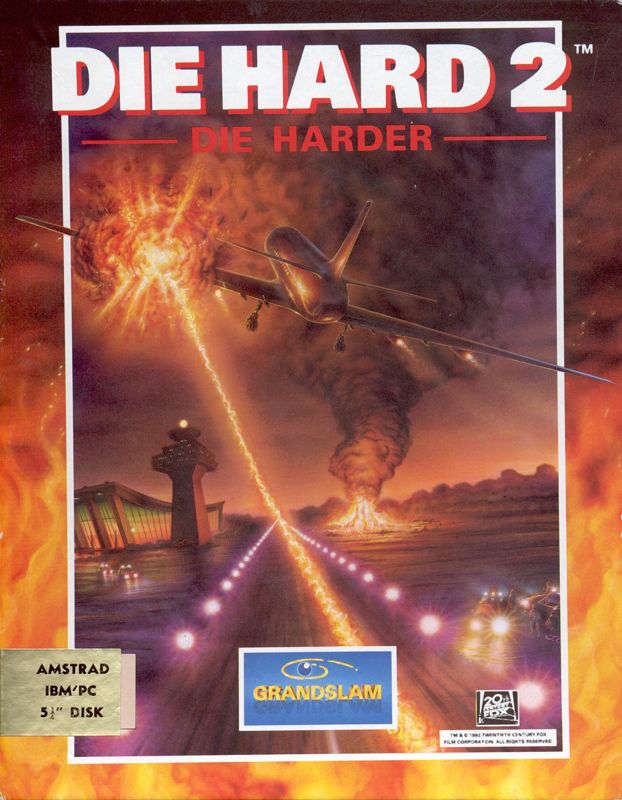
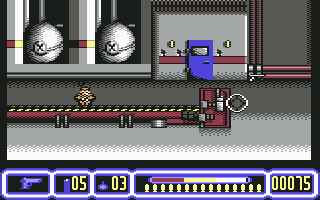
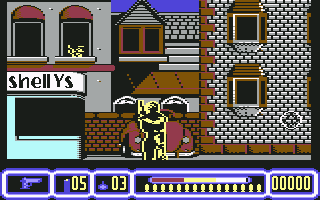
Die Hard 2: Die Harder places you squarely in John McClane’s shoes as a fast-twitch shooter in a strictly 2D, point-and-click environment. You progress through five distinct stages—each broken into three screens—representing key locations from the film, from the bustling luggage center to a dramatic snowmobile chase. Your primary objective is simple: aim quickly, pull the trigger on terrorists the moment they appear, and avoid hitting civilians who occasionally wander into the line of fire.
(HEY YOU!! We hope you enjoy! We try not to run ads. So basically, this is a very expensive hobby running this site. Please consider joining us for updates, forums, and more. Network w/ us to make some cash or friends while retro gaming, and you can win some free retro games for posting. Okay, carry on 👍)
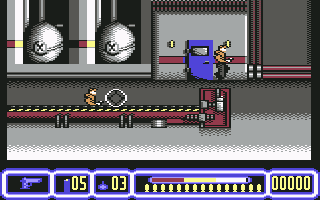
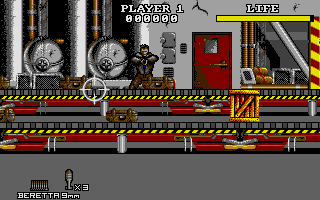
The game’s core mechanic revolves around a responsive crosshair that you move with the mouse (or controller). Enemies pop up from behind counters, barrels, and other cover, requiring split-second reflexes. Each fallen terrorist has a chance to drop power-ups—med-kits, armor boosts, grenades, or upgraded firearms with higher rate of fire. Collecting these bonuses isn’t automatic; you must shoot them before they disappear, adding an extra layer of risk and reward to every encounter.
Between bursts of gunfire, your health bar ticks down whenever a terrorist lands a shot. You have three lives per credit, and while med-kits can patch you up, mistakes are punished harshly. A single boss battle at the end of each stage tests your endurance: groups of tougher foes with erratic patterns force you to juggle aggressive offense with strategic use of grenades and power-ups.
Despite its straightforward premise, Die Hard 2: Die Harder offers surprising replay value. Speedrunners will challenge themselves to clear stages under a time limit, while completionists can hunt perfect runs—eliminating every terrorist without missing a single civilian or letting a power-up slip away. Newcomers should expect a steep learning curve but will find gratification in mastering each scene’s unique pacing and enemy placement.
Graphics
True to its early ’90s heritage, Die Hard 2: Die Harder sports hand-drawn pixel art with bold outlines and a limited color palette. Backgrounds are recognizable recreations of Dulles Airport’s terminals, luggage hallways, and snowy airstrips. While details can blur during heavy firefights, the game does a solid job of evoking the film’s key locales within the technical constraints of its era.
Character sprites are modest in size but clearly distinguishable: terrorists wear dark uniforms that contrast against pale walls and floors, while civilians in lighter clothing stand out—helping you avoid tragic mistakes. Explosions and muzzle flashes are rendered as brief but bright bursts of color, lending each shot a satisfying visual punch despite the absence of modern particle effects.
Animation is relatively smooth for a 2D shooter of this vintage. Enemies pop into view with a quick fade-in, crouch to dodge, and sometimes duck out of sight, requiring precise timing on your part. Boss characters boast slightly larger sprites and more elaborate movement patterns, making them memorable set pieces rather than just bullet sponges.
Although today’s gamers might find the visuals rudimentary compared to modern polygonal graphics, there’s undeniable charm in the retro aesthetic. Fans of classic shooters and pixel-art enthusiasts will appreciate how well the game captures the early ’90s arcade vibe and translates it into a home computer experience.
Story
As a pure shooting gallery, Die Hard 2: Die Harder offers only a skeletal narrative framework drawn from the 1990 movie. Between stages, brief text screens remind you of McClane’s mission: prevent terrorists from shutting down Dulles Airport and rescue hostages. There are no voiced cutscenes or in-game dialogue, so the tale unfolds largely in your imagination.
That said, each stage faithfully mirrors iconic movie moments: sniping enemies from behind air traffic control consoles, racing through corridors on a snowmobile, and even a climactic showdown on the wing of a hijacked aircraft. These set pieces serve as a nostalgic tour of the film’s highlights, rewarding fans who recognize specific scenes and props.
While the story beats are familiar territory for anyone who’s seen Die Hard 2, the game’s brevity means it never overstays its welcome. You start, clear five levels, and reach the finale in under an hour—ideal for those who want quick, action-packed sessions rather than sprawling narrative adventures.
On the downside, players seeking depth, character development, or branching plotlines will find this adaptation minimalistic. The game is designed around pure gunplay, so don’t expect moral dilemmas, dialogue trees, or rich backstory. Instead, think of it as a series of interlinked action vignettes that capture the movie’s explosive spirit.
Overall Experience
Die Hard 2: Die Harder is a niche title that caters primarily to retro shooter enthusiasts and Die Hard aficionados craving a short, no-frills arcade challenge. With its razor-sharp reflex demands and stage-by-stage progression, the game delivers a relentless barrage of enemies that keeps adrenaline levels high.
The controls are crisp, the pacing brisk, and the power-up system adds strategic layers that elevate the experience above a simple target practice simulator. While limited sound effects and repetitive background music may grate on modern ears, the clang of bullets and occasional radio chatter still evoke an authentic ’90s arcade atmosphere.
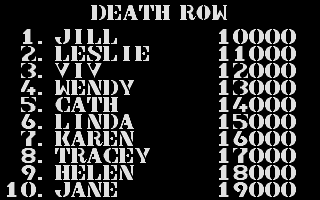
Replayability hinges on your tolerance for repetition and desire for mastery. If you enjoy memorizing enemy spawn points and honing pixel-perfect aim, Die Hard 2: Die Harder will reward you with satisfying runs and leaderboard bragging rights. Casual players, however, may find the steep difficulty spikes and absence of modern conveniences—like save points or adjustable difficulty—frustrating.
Ultimately, this game stands as a time capsule from an era when licensed movie titles were often experimental sidelines to big-budget blockbuster releases. For collectors and nostalgia seekers, it’s a memorable slice of early ’90s gaming history. Newcomers should approach it with tempered expectations, ready for a fast-paced but fundamentally old-school shooting gallery challenge.


Reviews
There are no reviews yet.