 Retro Replay Retro Replay gaming reviews, news, emulation, geek stuff and more!
Retro Replay Review
Gameplay
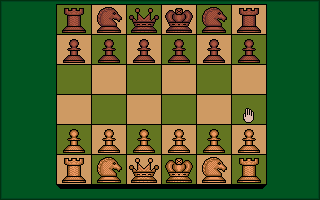
From the first move in modern chess to the ancient subtlety of Chaturanga, Distant Armies offers a remarkably diverse gameplay experience. Each of the ten variants is presented with its own set of rules, pieces and board layouts, ensuring that even veteran players of computer chess will find fresh challenges. The adaptation of historical rules—from the 6×6 board of Los Alamos Chess to the circular field of Byzantine Chess—demonstrates careful attention to authenticity and playability.
(HEY YOU!! We hope you enjoy! We try not to run ads. So basically, this is a very expensive hobby running this site. Please consider joining us for updates, forums, and more. Network w/ us to make some cash or friends while retro gaming, and you can win some free retro games for posting. Okay, carry on 👍)
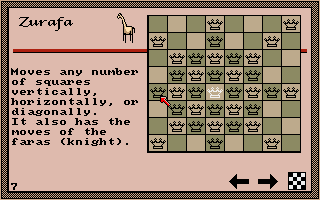
The learning curve is well designed: modern chess serves as a familiar launching pad before you venture into less-known forms like Decimal Chess or Courier Chess. A built-in tutorial system adapts to the complexity of each variant, walking players through the unique moves and strategies. This approach not only teaches you the mechanical differences but also underlines how each version influenced subsequent evolutions of the game.
AI opponents in each variant are tuned to reflect historical prowess rather than brute computational power. Expect the Byzantine Chess computer to favor unconventional circular-board tactics, while Chaturanga’s AI focuses on a slower, more positional style. The variety in AI behavior keeps matches lively and forces you to relearn tactics for every version, making each playthrough a distinct experience.
Graphics
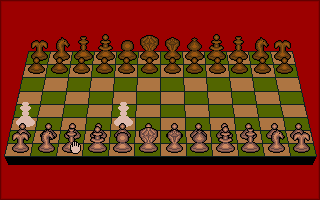
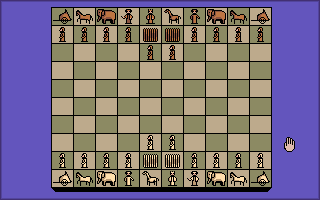
Distant Armies adopts a clean, functional aesthetic that emphasizes clarity over flashy effects. Each chessboard variant is rendered with period-appropriate motifs: Shatranj pieces feel like they belong in an early Islamic context, while Medieval Chess pieces bear ornate, gothic details. The game’s low-polygon art style may feel dated by modern standards, but it serves its purpose by keeping the focus on historical authenticity and ease of play.
The user interface is intuitive and consistent across all ten variants, offering clear move suggestions, undo options and an on-screen glossary of piece abbreviations. Subtle background visuals—like parchment textures or stone floors—add atmosphere without distracting from the board. Even Byzantine Chess’s circular layout is displayed crisply, with readable coordinates and distinct color coding for each territory.
Special attention is given to animations for piece movement and captures: they’re swift and unobtrusive, preventing downtime during a game. While there are no cinematic cutscenes, brief pop-up illustrations and historical tidbits appear between matches, lending color to the development of each variant. This minimalist approach to graphics ensures that lengthy sessions remain engaging rather than tiresome.
Story
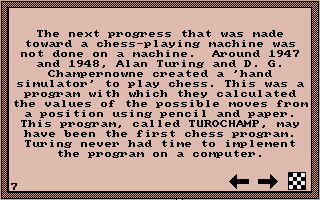
Though not a narrative-driven title in the traditional sense, Distant Armies weaves a compelling story of chess’s global journey through its historical commentary. Before each game, players are treated to concise essays that outline the cultural, political and strategic significance of that variant. Reading about how Chaturanga emerged in ancient India or how Los Alamos Chess was designed for an early supercomputer provides enriching context that transforms each match into a window on history.
The inclusion of a bibliography and recommended readings elevates the title beyond mere entertainment. Enthusiasts can consult primary sources on Byzantine guilds or archival materials on Ottoman Turkish Chess, all via links or citations integrated into the game’s menus. For players who crave deeper insights, the developers’ research is a treasure trove that spans academic articles to obscure medieval manuscripts.
Interspersed historical annotations not only inform but invite reflection on how chess mirrored societal changes—from feudal power struggles to the dawn of computing. These short narratives are professionally written and accessible, striking a balance between scholarly rigor and general readability. As a result, the “story” of Distant Armies is the story of chess itself, charted across time and geography.
Overall Experience
Distant Armies: A Playing History of Chess stands out as a uniquely educational yet thoroughly playable package. Its comprehensive survey of ten chess variants transforms a familiar pastime into a cultural odyssey. Whether you’re a casual player seeking new challenges or a historian intrigued by ancient warfare simulations, the game delivers sustained engagement through its variety and depth.
The longevity of the experience is bolstered by multiplayer support, allowing you to pit friends against alternative rule sets or test your knowledge in public online lobbies. Regularly rotating “variant-of-the-week” challenges further encourage players to revisit the less common boards. Combined with adjustable difficulty levels, this ensures both newcomers and grandmasters find satisfying competition.
Although some may wish for more visually immersive presentations or live commentary, the game’s strength lies in its earnest dedication to chess history. By seamlessly integrating gameplay, graphics and historical narration, Distant Armies offers an experience that is as enlightening as it is entertaining. For anyone curious about the evolution of chess, it’s a must-have title that bridges past and present on the battlefield of the mind.


Reviews
There are no reviews yet.