 Retro Replay Retro Replay gaming reviews, news, emulation, geek stuff and more!
Retro Replay Review
Gameplay
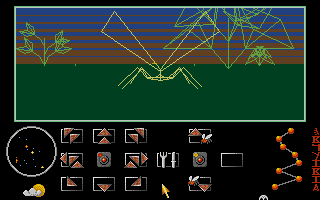
The core of Eco’s gameplay revolves around guiding a humble single-celled organism through the intricate web of life, evolving it step by step into more complex forms. At the start, you hover in a fluid environment, snapping up tiny food particles to sustain your health bar while keeping a wary eye on predators that stalk you in the murky waters. A small radar interface keeps you aware of threat levels and prey positions, lending a real-time strategy flair as you dart, dodge, and dive in pursuit of survival.
(HEY YOU!! We hope you enjoy! We try not to run ads. So basically, this is a very expensive hobby running this site. Please consider joining us for updates, forums, and more. Network w/ us to make some cash or friends while retro gaming, and you can win some free retro games for posting. Okay, carry on 👍)
Once you’ve secured enough sustenance, the next challenge is finding a compatible mate. This introduces a strategic layer where you balance risk and reward: do you chase down a fast-moving mate and risk attracting a larger predator, or do you lay low until you’ve built up enough speed and stealth? This mating phase is both tense and rewarding, as it directly feeds into the evolutionary system, granting you a precious gene point to enhance your offspring.
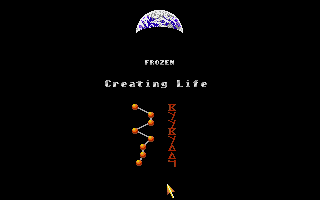
Eco’s evolutionary tree offers surprising depth. Each gene point lets you tweak an attribute—speed, armor, sensory range, camouflage—and the effects ripple through future generations. You’ll quickly find yourself analyzing the environment and adjusting your strategy: do you become a brightly colored, heavily armored organism to deter foes, or a sleek, fast swimmer that can outmaneuver any predator? This constant decision-making loop keeps the gameplay fresh and encourages experimentation.
As your organism evolves into plants, insects, fish, and even mammals, the gameplay expands accordingly. New habitats, such as coral reefs or forest floors, introduce unique challenges and resources. While the early stages focus on pure survival, later phases involve more nuanced objectives, like securing territory, building community structures, or migrating between ecosystems. The result is a satisfying progression that never feels repetitive, rewarding both patient planners and bold risk-takers.
Graphics
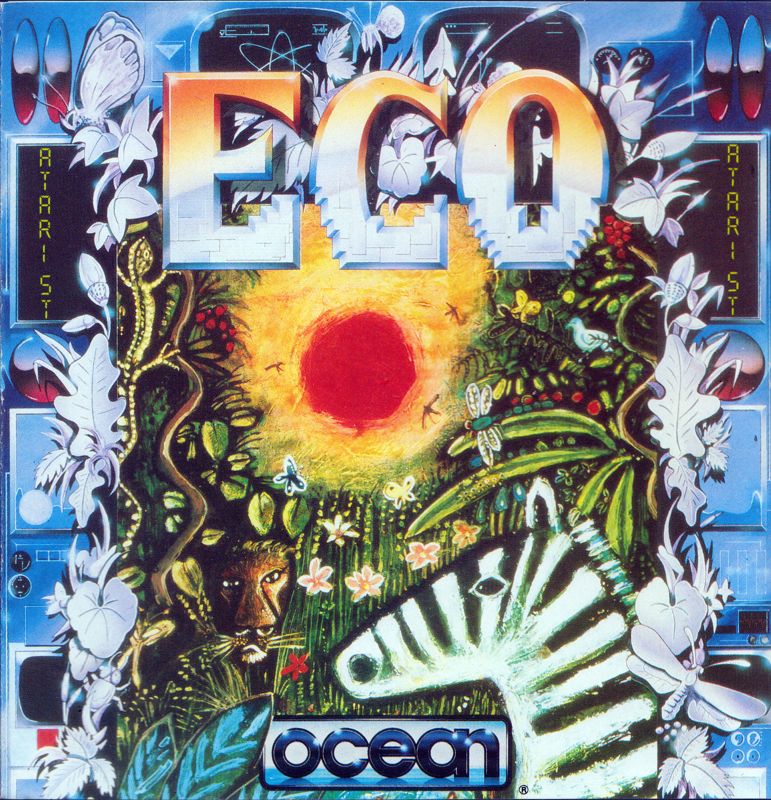
Visually, Eco opts for a clean, stylized aesthetic that emphasizes clarity and readability over photorealism. From the shimmering cellular membranes of your first single-celled form to the more elaborate foliage and creature models in later stages, the art direction remains consistent and pleasing. The color palette evolves with your organism, starting in muted blues and greens and gradually bursting into richer hues as you unlock new life forms.
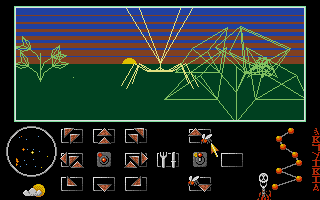
The user interface is intuitive and straightforward, featuring an unobtrusive radar, health and energy meters, and gene-tree overlays. During predator encounters, the radar pulses red in the direction of the threat, creating instant tension without cluttering the main viewport. Menus for gene selection and environmental stats are well-organized, ensuring that even players new to evolution-based games can make informed decisions without wading through excessive tooltips.
Environmental animations and effects further enhance immersion. Gentle currents ripple through the water when you swim, leaves rustle as insects scuttle across the forest floor, and subtle lighting shifts reflect the time of day. While these effects don’t push hardware limits, they strike a fine balance between performance and atmosphere, making Eco accessible on a broad range of systems.
Special effects tied to evolutionary changes—such as energetic pulses when a gene is unlocked or soft glows around newly sprouted plants—add a sense of wonder to each milestone. These touches amplify the joy of transformation and underscore the game’s theme of life’s constant progression.
Story
Rather than delivering a traditional linear narrative, Eco crafts an emergent story driven by your evolutionary choices. Each playthrough becomes a unique saga: perhaps you evolve into a solitary apex predator, or you branch off into a cooperative insect colony building vast hives. Your decisions write the “plot,” and the game’s dynamic ecosystems respond accordingly, shaping both challenges and rewards.
Underneath this open-ended framework lies an implicit commentary on adaptation and the interconnectedness of life. As you transform from a simple cell into a complex creature, you experience firsthand how environmental pressures, resource scarcity, and competition drive innovation. The result is a subtle yet impactful narrative that prompts reflection on biodiversity and the delicate balance sustaining ecosystems.
While Eco doesn’t feature voiced characters or scripted cutscenes, it compensates with powerful moments of discovery—stumbling upon a vast coral reef teeming with life, unlocking the gene that lets you breathe air, or witnessing a predator hierarchy play out in real time. These vignettes become the game’s “chapters,” memorable events that you’ll recount long after you’ve stopped playing.
The open-ended design also encourages multiple playthroughs, each offering new story beats as you explore different evolutionary paths. Whether you aim for peaceful coexistence or emergent dominance, Eco’s emergent storytelling ensures that no two journeys feel exactly alike.
Overall Experience
Eco delivers a uniquely satisfying blend of action, strategy, and educational depth. Its intuitive controls and clear interfaces make the early stages approachable, while the evolving gameplay systems provide ample complexity for veteran strategy fans. The sense of growth—from vulnerable cell to apex organism—is a powerful motivator that keeps you engaged through every mutation and milestone.
Although the pace can sometimes feel uneven—early evolution stages move quickly, while mid-game gene hunts may become a bit grindy—the overall progression curve is well-calibrated. Occasional spikes in difficulty, such as facing multiple predators or scarce resources, serve as deliciously tense trials that heighten the satisfaction of each successful evolution.
Graphics and sound design come together to reinforce Eco’s theme of nature’s beauty and brutality. Subtle ambient tracks and environmental soundscapes heighten immersion without ever feeling intrusive. The clean art style ensures that players remain focused on strategic choices rather than graphical spectacle, a trade-off that pays dividends in gameplay clarity.
In sum, Eco stands out as an engaging and thought-provoking experience for anyone fascinated by evolution, strategy, or simply the joy of witnessing life’s endless creativity. Whether you’re a casual gamer seeking a fresh twist on action-strategy or an enthusiast of biology and ecosystems, Eco offers a rich sandbox in which your creature’s destiny is limited only by your imagination.



Reviews
There are no reviews yet.