 Retro Replay Retro Replay gaming reviews, news, emulation, geek stuff and more!
Retro Replay Review
Gameplay
Football Manager 2 builds on the pioneering design of its predecessor by deepening every aspect of team management. You’re no longer limited to choosing broad tactics—now you can pick detailed formations, assign man-to-man marking, and specify training routines down to passing length and height. The addition of half-time substitutions and tactical tweaks gives you real control over matches, letting you pivot your strategy as the action unfolds.
(HEY YOU!! We hope you enjoy! We try not to run ads. So basically, this is a very expensive hobby running this site. Please consider joining us for updates, forums, and more. Network w/ us to make some cash or friends while retro gaming, and you can win some free retro games for posting. Okay, carry on 👍)
The game incorporates all 92 clubs across the top four English divisions, as well as the FA Cup and League Cup competitions. This scope creates a living, breathing football ecosystem: you scout promising youngsters, juggle budgets and board expectations, and balance league survival with cup glory. The transfer market requires shrewd negotiations, while your squad’s individual skills and fitness ratings demand careful rotation to avoid burnout and injuries over a long season.
One of the most satisfying features is the match analysis view. Instead of a static scoreboard, you watch your tactics play out on a simplified pitch graphic that clearly delineates attack, midfield, and defense areas. You can monitor player heat maps, assess individual performances, and react with on-the-fly changes. This real-time feedback loop makes each match feel dynamic, with plenty of room for strategic experimentation and rewarding “a-ha” moments when your game plan clicks.
Graphics
By the standards of its era, Football Manager 2’s visuals strike a fine balance between clarity and practicality. The match screen uses clean, color-coded icons to represent players and zones of play—attack, midfield, and defense are each shaded differently, making it easy to track ball movement and team shape at a glance. While there are no full animations, the simple movement of dots and arrows provides enough detail to understand how your tactics are unfolding.
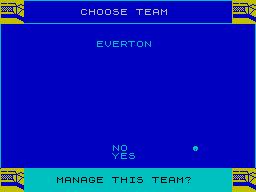
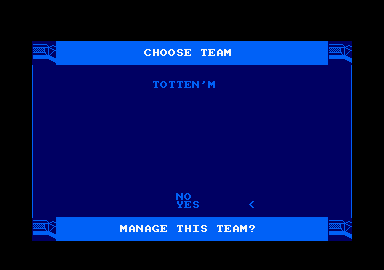
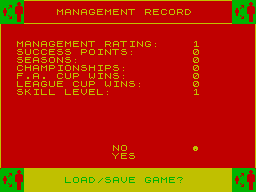
The user interface is orderly and intuitive, with separate screens for squad lists, league tables, fixture schedules, and cup draws. Tables and lists are crisply rendered, and text remains legible even on smaller monitors of the time. Menus are logically arranged, so finding your way from training settings to transfer negotiations feels straightforward, reducing frustration when you need to make quick decisions on match day.
One delightful touch is the graphical representation of player statistics in bar-graph form. You can compare a striker’s finishing rating against your goalkeeper’s reflexes or see at a glance which midfielders are most creative. These visual aids turn raw numbers into digestible insights, reinforcing the game’s emphasis on tactical planning and squad management rather than flashy 3D animations.
Story
Football Manager 2 eschews a fixed narrative in favor of emergent storytelling. There’s no pre-written plot or scripted cutscenes—your journey unfolds through the challenges you face: an underdog club’s quest for promotion, a surprise cup run, or a mid-season crisis that tests your managerial skills. Every decision you make helps craft a unique saga of triumphs and setbacks.
As you navigate league fixtures and cup ties, off-field drama simmers through news reports and boardroom messages. A star player might demand a transfer, pundits may question your tactics after a bad run, or the fans could erupt in cheers after a last-minute winner. These narrative breadcrumbs add color and personality to the numbers on the screen, making you feel truly invested in the fate of your virtual club.
The game’s simulation of individual player performances also creates memorable moments. You’ll recall the rookie who rose to stardom after a string of man-of-the-match displays, or the veteran defender whose leadership guided your back line through a tense cup final. These organic stories grow from the sandbox nature of the management engine, ensuring each playthrough feels fresh and engaging.
Overall Experience
Football Manager 2 delivers a richly detailed management experience that remains surprisingly engaging decades after its release. The depth of its tactical options, from marking assignments to training regimes, makes every match a tactical puzzle. Coupled with the full 92-club league structure and dual-cup competitions, it offers hundreds of hours of strategic play for dedicated managers.
The learning curve can be steep for newcomers—juggling fitness, morale, finances, and match strategy all at once requires patience. However, the payoff is immense once you master the interface and begin to see your tactical concepts transform into on-pitch success. The balance between macro-level planning and micro-match adjustments keeps the gameplay loop consistently rewarding.
For fans of football simulations and strategic management, Football Manager 2 stands as a landmark title that still resonates today. It may lack the visual flash of modern games, but its emphasis on realism, depth, and emergent drama makes it a timeless classic. Whether you’re looking to relive retro management glory or explore the roots of the genre, this sequel remains an absorbing and informative experience.


Reviews
There are no reviews yet.