 Retro Replay Retro Replay gaming reviews, news, emulation, geek stuff and more!
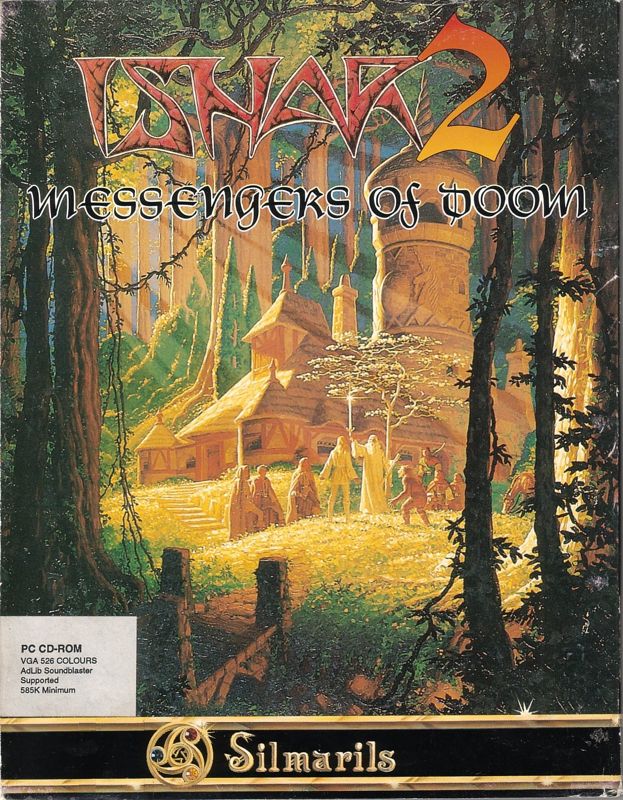
Retro Replay Review
Gameplay
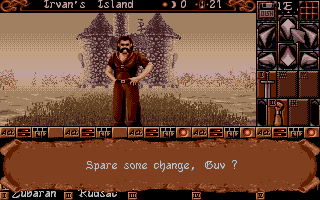
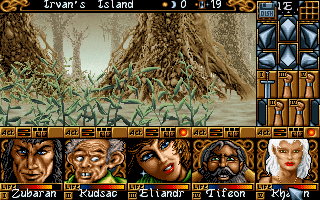
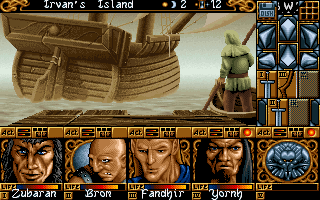
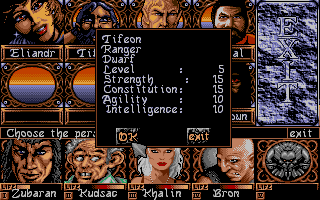
The core of Ishar 2: Messengers of Doom retains the familiar exploration and real-time combat that made its predecessor, Ishar: Legend of the Fortress, so engaging. You’ll guide your party through 3D outdoor realms, bustling towns and labyrinthine dungeons, juggling resources, inventory and tactical positioning. Party management remains deep yet approachable, allowing you to customize each character’s skills, equipment and magical abilities as you push deeper into Shandar’s stronghold.
(HEY YOU!! We hope you enjoy! We try not to run ads. So basically, this is a very expensive hobby running this site. Please consider joining us for updates, forums, and more. Network w/ us to make some cash or friends while retro gaming, and you can win some free retro games for posting. Okay, carry on 👍)
One of the most notable additions is the dynamic day-and-night cycle. As daylight fades, your strategic options shift dramatically: most shops lock their doors until dawn, but the city’s medieval nightclubs come alive, trading in secrets, illicit potions and rare companions. This rhythmic ebb and flow encourages careful planning—do you camp under the stars to cook potions and rest, or brave the dark streets in search of forbidden lore?
Beyond the clock-based mechanics, the sequel expands the world significantly. From soaring mountain paths with graded height effects to hidden tree-cities tucked among lush canopies, there’s always a new vista to uncover. You can even bring beloved heroes from the first Ishar into this adventure, or recruit intriguing new allies along the way—plus the ability to tame animals as battle pets adds another layer of strategy. Minor UI quirks and occasional pathfinding hiccups surface, but the overall gameplay loop remains engrossing and rewarding.
Graphics
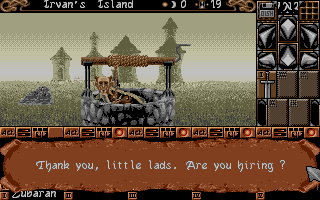
Ishar 2’s visual presentation builds on its forebear’s artistic strengths while embracing early ’90s 3D techniques. Outdoor environments showcase rolling hills, dense forests and distant fortifications, rendered with a sense of scale and verticality uncommon at the time. Town interiors and dungeon corridors use richly detailed textures and moody lighting to evoke an atmosphere of mystery and danger.
The day-night cycle isn’t just a gameplay feature—it also transforms the color palette and shadow work in real time. Dawn bathes Zach’s Island in warm, golden hues; nighttime drenches alleyways in cool blues and amber-lit taverns. This visual shift enhances immersion and highlights the designers’ attention to environmental storytelling. Watching your party traverse the same cobblestone street under two different skies never grows old.
Cinematic cutscenes and in-engine character portraits add narrative flair, though they occasionally suffer from pixelation and limited animation frames. Draw distances can feel conservative by modern standards, leading to pop-in foliage or dungeon walls. Nevertheless, the overall aesthetic retains a timeless charm—each area feels hand-crafted, from the mossy dungeon bricks to the glittering banners of Shandar’s keep.
Story
Set after the defeat of Krogh and the banishment of Chaos, Ishar has blossomed into a beacon of knowledge and trade. A new city, Zach’s Island, emerges as settlers flock to its shores—until Shandar, a renegade monk of chaos, infiltrates the populace with hallucinogenic wares and clandestine worship. His rise to power culminates in the construction of a second Ishar, a fortress poised to defy the realm. When the warrior Zubaran receives a prophetic vision of doom, he must rally allies and journey across Kendoria to thwart Shandar’s apocalyptic designs.
The narrative unfolds gradually, blending grand lore with personal character arcs. Importing veteran heroes from the first game grants continuity, while new recruits each bring unique backstories and motivations. Dialogue options allow for moments of levity—campfire banter among party members feels genuine—and darker turns as you unearth atrocities committed in Shandar’s name. Side quests pepper the landscape, offering moral quandaries that influence how your group perceives loyalty and ambition.
While the main plot is linear in structure, exploration and optional encounters add depth to the world’s mythology. Some players may find the pacing deliberate—significant time is spent traversing wilderness paths or deliberating strategy in town—but the payoff is a richly layered storyline. The sense of urgency when infiltrating the fortress is all the more impactful after the meticulous preparation and world-building that precede it.
Overall Experience
Ishar 2: Messengers of Doom stands as a worthy successor to its acclaimed predecessor, expanding the canvas of Kendoria with fresh mechanics, a sprawling map and a compelling day-night cycle. Party veterans will appreciate the ability to carry over beloved characters, while newcomers can recruit versatile allies and even animal companions. The balance of resource management, real-time battles and puzzle-like dungeon design keeps the adventure dynamic throughout its lengthy campaign.
Certain elements show their age—movement can feel deliberate, and menu navigation occasionally demands patience—but these quirks are the hallmark of classic PC RPGs from the early ’90s. Occasional slowdown in dense environments is offset by the game’s richly detailed hand-painted backdrops and evocative soundtrack. For those willing to embrace its vintage charm, Ishar 2 offers dozens of hours of exploration, plot twists and tactical combat.
Ultimately, Messengers of Doom delivers an immersive journey full of strategic depth, atmospheric visuals and a narrative that rewards perseverance. Whether you’re returning to Ishar as a seasoned adventurer or stepping in for the first time, the treacherous paths leading to Shandar’s fortress promise a memorable quest—and a fitting testament to the enduring appeal of old-school RPG design.


Reviews
There are no reviews yet.