 Retro Replay Retro Replay gaming reviews, news, emulation, geek stuff and more!

Retro Replay Review
Gameplay
At its core, Kid Chaos is a fast-paced side-scrolling platformer that tasks you with guiding a prehistoric hero through a gauntlet of five distinct worlds. Armed only with a trusty club, Kid must destroy every designated target—ranging from wildlife creatures to mechanical contraptions—before the exit door will open. The simple combat system relies on timing swings and chaining hits while running at full speed to uncover hidden passages in walls, rewarding inquisitive players with apples and power-ups.
(HEY YOU!! We hope you enjoy! We try not to run ads. So basically, this is a very expensive hobby running this site. Please consider joining us for updates, forums, and more. Network w/ us to make some cash or friends while retro gaming, and you can win some free retro games for posting. Okay, carry on 👍)
The game unfolds across twenty levels, divided into five thematic zones: Secret Garden, Toxic Wasteland, Toy Factory, Techno Fortress, and the Ruined City. Each section offers its own mini-boss challenge on the fourth stage, such as taking down teddy bear targets without harming ducks or clearing waves of invaders in a Space Invaders-style duel that strips away defensive barriers. Adding to the tension is a strict time limit, a three-life system, and health depletion on contact with enemies or when the clock hits zero.
Secrets are a major draw in Kid Chaos. Speed-running unlocks wall-phase passages that lead to hidden rooms full of apples (for health) or rare power-ups like extra lives and time extensions. You can also accumulate life tokens by exploring every nook and can turn three tokens into another life. With checkpoints scattered throughout each stage, the learning curve feels fair, but as you progress, damage allowances shrink and apple spawns dwindle, raising the stakes for even veteran platformers.
Graphics
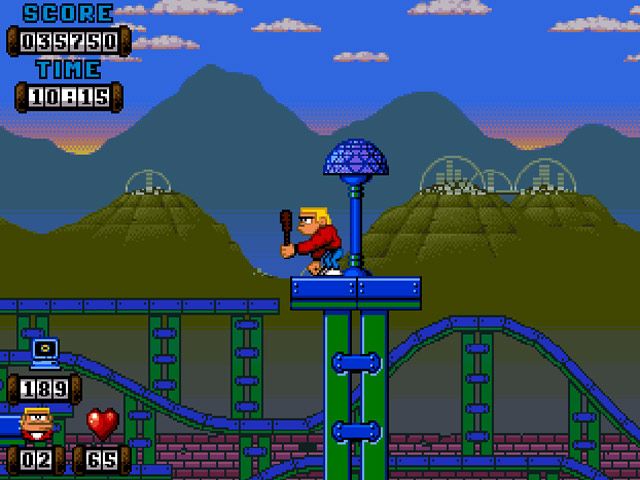
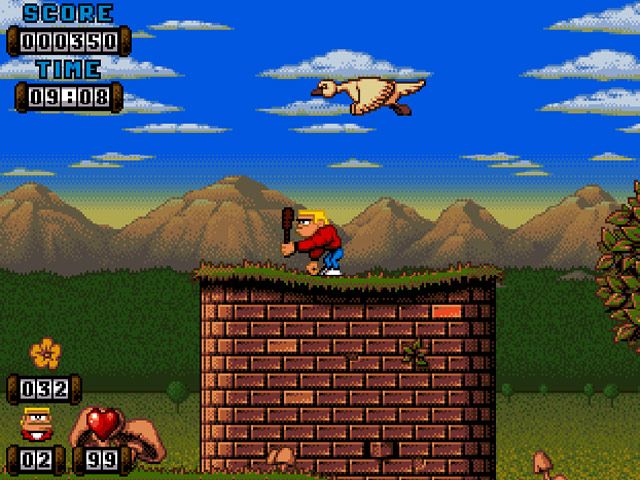
Visually, Kid Chaos leans into colorful, cartoon-inspired backdrops that stretch from lush, vine-choked gardens to neon-lit factory floors. Each world introduces unique environmental hazards—poisonous sludge in the Toxic Wasteland, bouncing conveyor belts in the Toy Factory, and pulsating energy grids inside the Techno Fortress—that are rendered with crisp, 16-bit style pixel art. The palette shifts dramatically between levels, ensuring the scenery always feels fresh.
Character and enemy sprites boast smooth animations, with Kid’s running, jumping, and club-swipe frames captured in satisfying detail. Wildlife comes in all shapes and sizes—from spiky armored critters to robotic foes—and destruction targets explode with cartoonish flair, sending debris flying across the screen. Parallax layers in the backgrounds add a sense of depth, especially in the Ruined City, where crumbling skyscrapers drift eerily behind the action.
Special effects are handled deftly: secret doors shimmer softly, power-up pickups flash boldly, and the dramatic visual pulse of boss encounters punctuates each zone’s climax. Even the stat screen at the end of each level is neatly designed, showcasing your destruction percentage and apples collected with simple, intuitive icons. While the overall resolution feels dated by modern standards, the artistry remains charming and functional.
Story
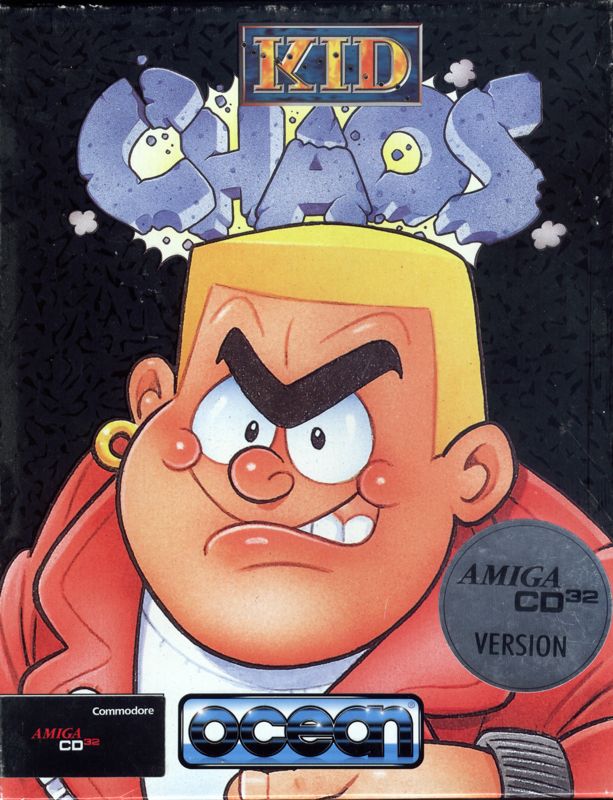
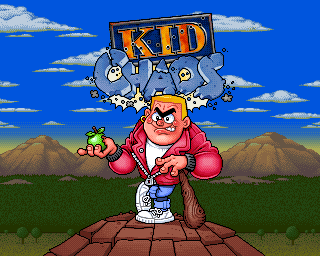
Kid Chaos begins with an amusing fish-out-of-water premise: a club-wielding Stone Age youth snatched by time-traveling scientists from a high-tech future. Their experiment dumps him into a series of manufactured environments, forced to battle through mechanical landscapes to reach a hidden time machine and return home. It’s a playful narrative setup that primes players for zany level design and constant surprises.
Rather than lengthy cutscenes, most storytelling happens through level theming and set pieces. The Secret Garden hints at lab-grown flora, while toxic barrels and mutated creatures in the Wasteland suggest off-kilter science experiments gone awry. Each zone feels like a different stage in the scientists’ grim experiment, framing your progression as both an escape and an act of rebellion against your captors.
Although dialogue is minimal, the post-level statistics screen doubles as a debriefing tool—tracking your destruction tally, wildlife encounters, and extra tasks completed. This subtle feedback loop reinforces the narrative of Kid as an unwitting subject whose sole purpose is to cause havoc. It’s a lighthearted approach, but effective in giving context to the frantic run-and-smash gameplay.
Overall Experience
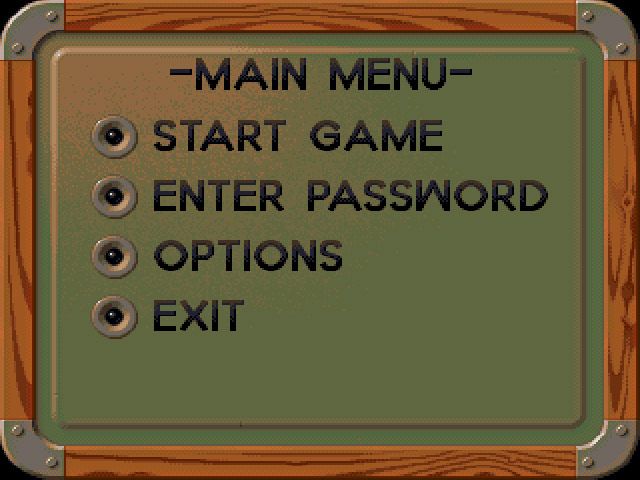
Kid Chaos strikes a satisfying balance between straightforward platforming and secret-hunting exploration. The pace remains brisk, with each stage introducing new mechanics—speed bursts for phasing walls, vertically stacked platforms for high jumps, and timed challenges that test your reflexes. The inclusion of a password system makes it easy to pick up where you left off, while the checkpoint system prevents frustration during repeated attempts.
The difficulty curve can spike unexpectedly, especially in later levels where health pickups become scarce and time limits tighten. However, strategic use of hidden power-ups and mastery of level layouts keep seasoned players engaged. The varied mini-games on every fourth podium level add welcome variety, breaking up the standard run-and-club routine with target-shooting and wave-based survival sequences.
For fans of retro-style platformers who appreciate a whimsical premise, secret pathways, and wallet-friendly challenge, Kid Chaos remains a hidden gem. Its vibrant pixel art, catchy soundtrack, and gratifying combat leave a memorable impression. While it may show its age in resolution and occasional control stiffness, the core design—smashing every object in sight to save the day—remains as charming and addictive as ever.



Reviews
There are no reviews yet.