 Retro Replay Retro Replay gaming reviews, news, emulation, geek stuff and more!
Retro Replay Review
Gameplay
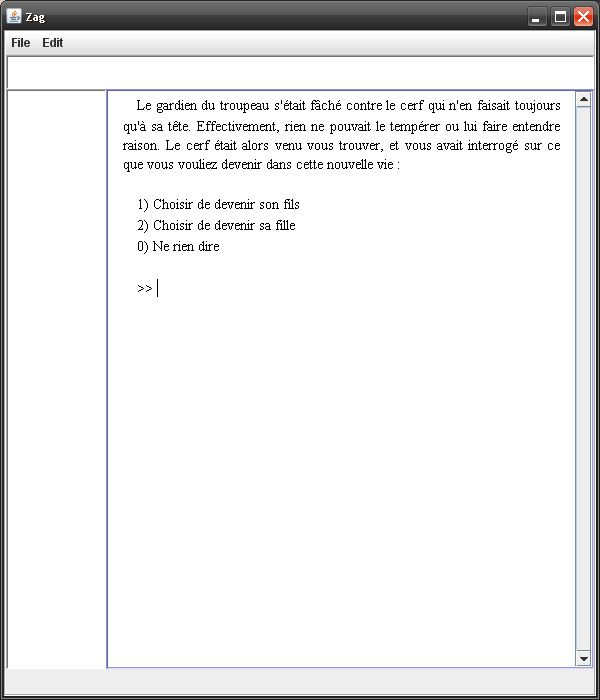
Lupercalia unfolds as an interactive fiction adventure where every decision you make propels the narrative forward. You begin by choosing to play as either a young man or a young woman, and this choice subtly influences your dialogue options, the tone of certain encounters, and even the reactions of the strange travellers you meet along your journey. Core gameplay revolves around selecting dialogue choices, solving small environmental puzzles, and piecing together clues to rescue a destitute shepherd from a pack of wolves.
(HEY YOU!! We hope you enjoy! We try not to run ads. So basically, this is a very expensive hobby running this site. Please consider joining us for updates, forums, and more. Network w/ us to make some cash or friends while retro gaming, and you can win some free retro games for posting. Okay, carry on 👍)
The pacing of the game feels deliberately measured, allowing you to linger on atmospheric descriptions and immerse yourself fully in each setting. Occasionally, you’ll be prompted to investigate objects or interact with characters in more unconventional ways—whispering to a figure in the dark, offering an unexpected gift to Pan, or following the Greenman down a winding forest path. These moments feel organic and contribute to a sense of discovery that rewards patience and curiosity.
Branching paths are plentiful, and even subtle variations in your choices can lead to different character reactions or entirely alternate encounters. This affords Lupercalia a high replay value: after your first playthrough, it’s tempting to return, adopt the opposite gender perspective, and see how the narrative shifts. Though some puzzle elements are straightforward, they fit seamlessly into the world and never feel like cheap roadblocks.
Graphics
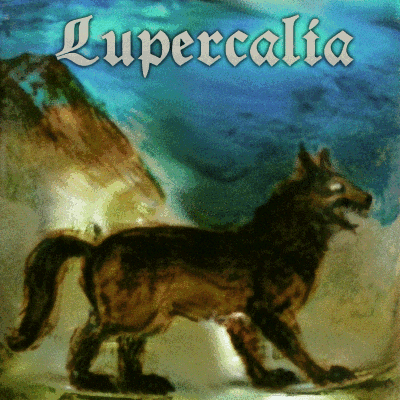
As an interactive fiction title, Lupercalia relies heavily on evocative textual descriptions rather than elaborate visuals. However, the occasional hand-drawn illustration that frames key moments—such as the moonlit grove where Pan first appears or the wolf-ravaged pasture—enhances immersion without overshadowing the prose. These images are rendered in muted earth tones, reinforcing the game’s mythic, timeless atmosphere.
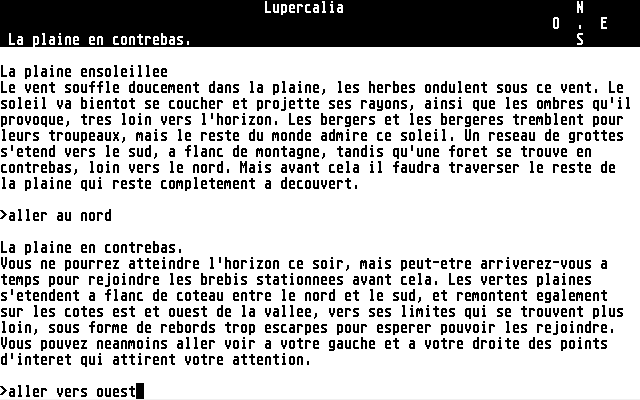
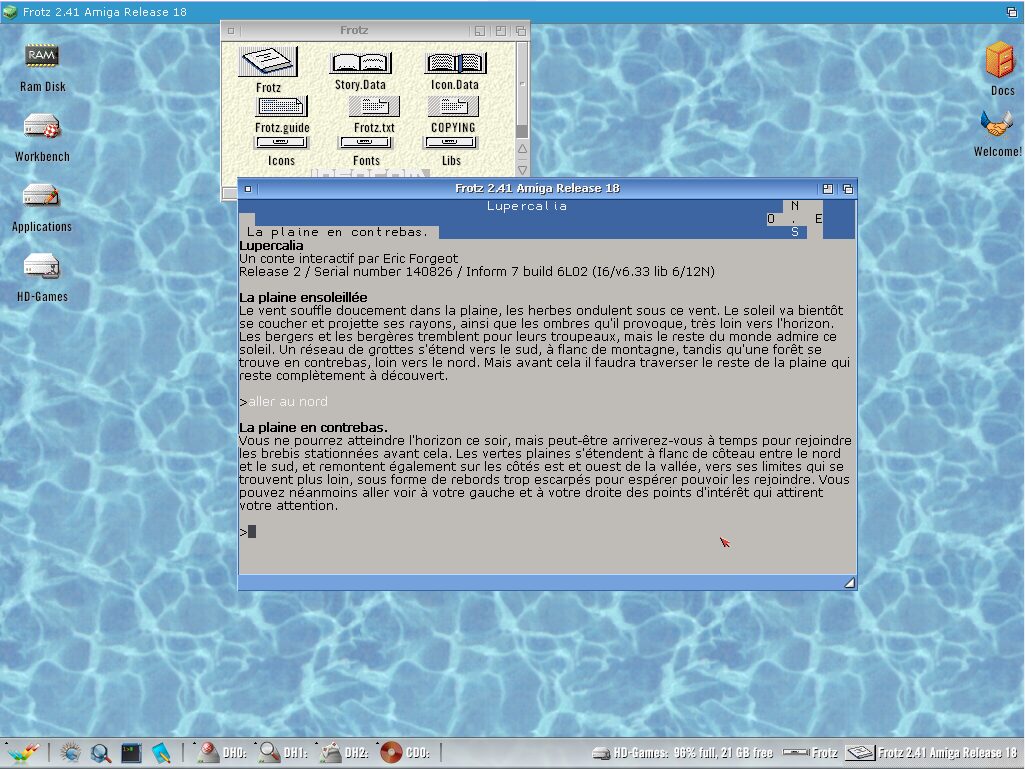
The user interface is clean and minimal, letting the story take center stage. Choices are presented in a clear list format with simple highlighting to indicate your current selection. Fonts and text spacing have been carefully chosen to reduce eye strain during longer play sessions, and subtle background textures evoke parchment or aged paper, reinforcing the game’s folkloric setting.
Even without flashy 3D graphics or animated cutscenes, Lupercalia’s presentation feels polished. The occasional ambient audio cues—rustling leaves, distant howls, or a soft flute melody when Pan speaks—add a layer of sensory depth. It’s a reminder that strong visual design in interactive fiction isn’t about high resolution, but about creating a cohesive aesthetic that supports the narrative.
Story
At its core, the narrative of Lupercalia is a blend of pastoral tragedy and ancient myth. You are thrust into a world where a shepherd’s flock is under siege by wolves, and time is of the essence if you hope to avert disaster. Early scenes establish a sense of vulnerability and urgency, while subsequent encounters with legendary figures like Pan and the Greenman introduce a lyrical, otherworldly dimension.
Meeting Pan is a highlight of the story, as the satyr’s cryptic riddles and playful taunts both aid and hinder your progress. He represents the untamed, capricious side of nature. By contrast, the Greenman offers a quieter, more introspective form of guidance—his wisdom delivered through subtle changes in your surroundings and gentle prods toward hidden secrets. Together, these entities elevate the plot beyond a simple rescue mission into a meditation on humanity’s relationship with the wild.
Character development is achieved largely through dialogue and the choices you make. The shepherd’s plight resonates more deeply when you’ve invested time in conversation and small acts of compassion. Meanwhile, your own portrait—whether as a man or a woman—unfolds gradually, revealing fears, hopes, and moral conflicts. All these elements combine to create a story that feels both personal and archetypal.
Overall Experience
Lupercalia stands out as a thoughtfully crafted interactive fiction title that blends mythological richness with a poignant rescue narrative. Its deliberate pacing and emphasis on player choice ensure that you feel genuinely responsible for the shepherd’s fate. At the same time, encounters with Pan and the Greenman inject moments of magic and mystery that linger in your memory long after you finish playing.
The game’s original French release lends it a certain literary flair, and this comes through even in the translated version. Nuances of language—metaphors drawn from rural life, regional folklore, or classical mythology—are handled with care, preserving the game’s poetic undertones. Whether you’re a veteran of text adventures or new to the genre, Lupercalia offers an accessible yet deeply rewarding experience.
Finally, Lupercalia’s modular structure and branching paths invite multiple playthroughs. Just when you think you’ve seen every twist, a different dialogue choice or small action can reveal new moments of wonder or peril. For anyone seeking an interactive story rich in atmosphere, character, and myth, Lupercalia is a journey well worth undertaking.



Reviews
There are no reviews yet.