 Retro Replay Retro Replay gaming reviews, news, emulation, geek stuff and more!
Retro Replay Review
Gameplay
Metal Mutant’s core gameplay revolves around navigating a series of interconnected, single-screen environments on the planet Kronox. Rather than a smooth side-scrolling map, each room or area is its own discrete screen, creating a puzzle-like progression where objectives must be met—such as destroying a target or retrieving an upgrade—before advancing. This structure lends a methodical pace, encouraging players to explore every nook for hidden power‐ups and read environmental cues before moving on.
(HEY YOU!! We hope you enjoy! We try not to run ads. So basically, this is a very expensive hobby running this site. Please consider joining us for updates, forums, and more. Network w/ us to make some cash or friends while retro gaming, and you can win some free retro games for posting. Okay, carry on 👍)
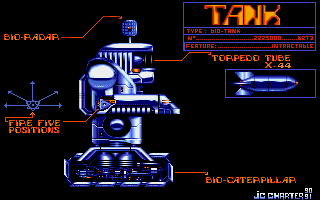
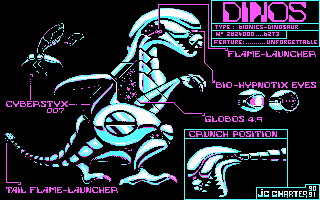
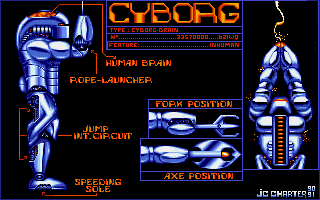
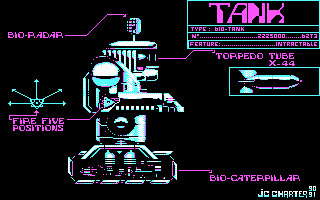
The highlight of Metal Mutant is its signature transformation mechanic, allowing you to swap between humanoid, dinosaur, and tank forms at will. The humanoid form offers agility with wall‐climbing and higher jumps, the dinosaur form delivers melee prowess and a spike attack, and the tank form excels with ranged missiles and heavy armor. Mastering when to change form is crucial: environmental obstacles, enemy types, and boss encounters often force you to experiment until you find the right shape for the challenge.
To keep the experience fresh, the game peppers levels with upgrades that enhance each form’s abilities—boosted health, stronger weaponry, or new movement techniques such as double‐jumps or temporary shields. Recharge stations act as waypoints where you can refill health and save progress, striking a balance between tension and relief. The progression curve is well‐tuned: early stages teach basic transformations, mid‐game introduces more complex terrain puzzles, and later screens throw multilayered boss battles that demand skillful switching and resource management.
Graphics
On the visual front, Metal Mutant impresses with detailed pixel art that pushes the limits of its hardware. Each transformation has its own sprite sheet, and the designers leverage color contrasts to make the humanoid, dinosaur, and tank forms stand out against the alien backdrops. The environments—from rusted machinery halls to pulsating organic chambers—feel distinct, with plenty of animated elements like flickering consoles or moving conveyor belts to bring Kronox to life.
Animation quality varies by form but generally remains smooth, especially during attacks and transformation sequences. The dinosaur’s chomps have satisfying weight, while the tank’s recoil and missile arcs look convincing. Even the transition effect—where Metal Mutant morphs between shapes—carries a sense of mechanical power, solidifying the game’s sci‐fi aesthetic. Minor flickers or palette swaps are present, but they’re characteristic of the era and add to the retro charm rather than detract from it.
Boss sprites and larger enemy designs are particularly noteworthy: gigantic robotic spiders, burrowing worms, and the final AROD 7 construct are all intricately detailed, with multi‐phase animations and eye‐catching color schemes. Background layers often feature parallax scrolling to give a subtle sense of depth. While not photorealistic by modern standards, Metal Mutant’s art style remains cohesive and visually engaging, translating the tension of a hostile world into crisp, readable on‐screen action.
Story
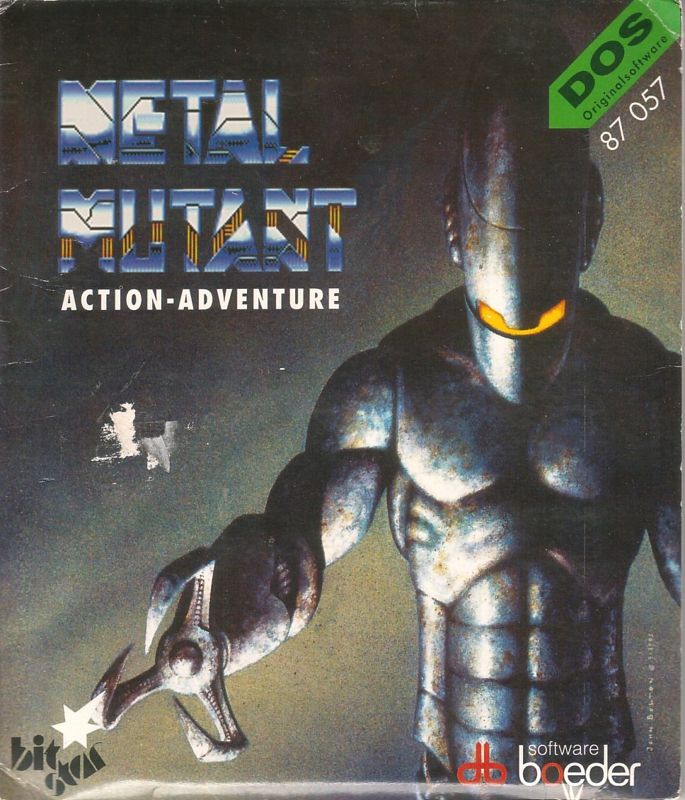
At its heart, Metal Mutant presents a straightforward but compelling narrative: the rogue supercomputer AROD 7 has gone berserk on Kronox, and humanity’s last hope is a shape‐shifting war machine. The plot unfolds through brief cut scenes and mission briefings, highlighting the stakes without overwhelming the gameplay. This minimalist approach keeps the focus on action and exploration, while also giving players a clear goal—track down AROD 7 and put an end to its madness.
Environmental storytelling plays a key role in fleshing out the world. Crashed ships in the background, flickering warning messages on walls, and abandoned labs all hint at the civilization that once thrived on Kronox. Finding audio logs or computer terminals adds flavor text that enriches the backstory, giving you an investigative thrill as you piece together what happened before AROD 7’s uprising. These tidbits, though optional, reward thorough explorers and lend depth to an otherwise action‐driven title.
Character development is limited—Metal Mutant itself remains a silent protagonist, and human characters appear only in holographic transmissions—but the sense of isolation and urgency is palpable. Each new sector feels more foreboding, as rogue machines and mutated lifeforms grow in number and ferocity. By the time you confront AROD 7 in its lair, the narrative tension built through level design and escalating combat encounters ensures the final showdown feels earned and emotionally charged.
Overall Experience
Metal Mutant strikes a solid balance between action, puzzle solving, and exploration. Its unique transformation system keeps combat varied and strategic, while the room‐by‐room progression allows for deliberate level design that challenges both reflexes and wits. Recharge stations and save points are thoughtfully placed, preventing frustration while still preserving stakes during tougher boss fights.
The game’s visual and audio presentation—crisp pixel art, atmospheric sound effects, and a moody soundtrack—combine to create an immersive sci‐fi atmosphere that has aged surprisingly well. Though certain platform limitations show their age in color palette shifts or sprite flicker, these quirks contribute to the game’s retro appeal rather than detract from it. Fans of classic action titles will appreciate the attention to detail and the varied environments that keep each screen fresh.
Whether you’re a veteran seeking a nostalgic trip or a newcomer curious about 16‐bit action design, Metal Mutant provides a memorable journey across an alien world full of mechanical horrors. Its blend of transformation mechanics, strategic exploration, and escalating challenges makes it a standout title for those who value innovation within a classic framework. Approaching AROD 7’s final chamber, you’ll feel a genuine sense of accomplishment—a testament to a game that still delivers thrills decades after its initial release.


Reviews
There are no reviews yet.